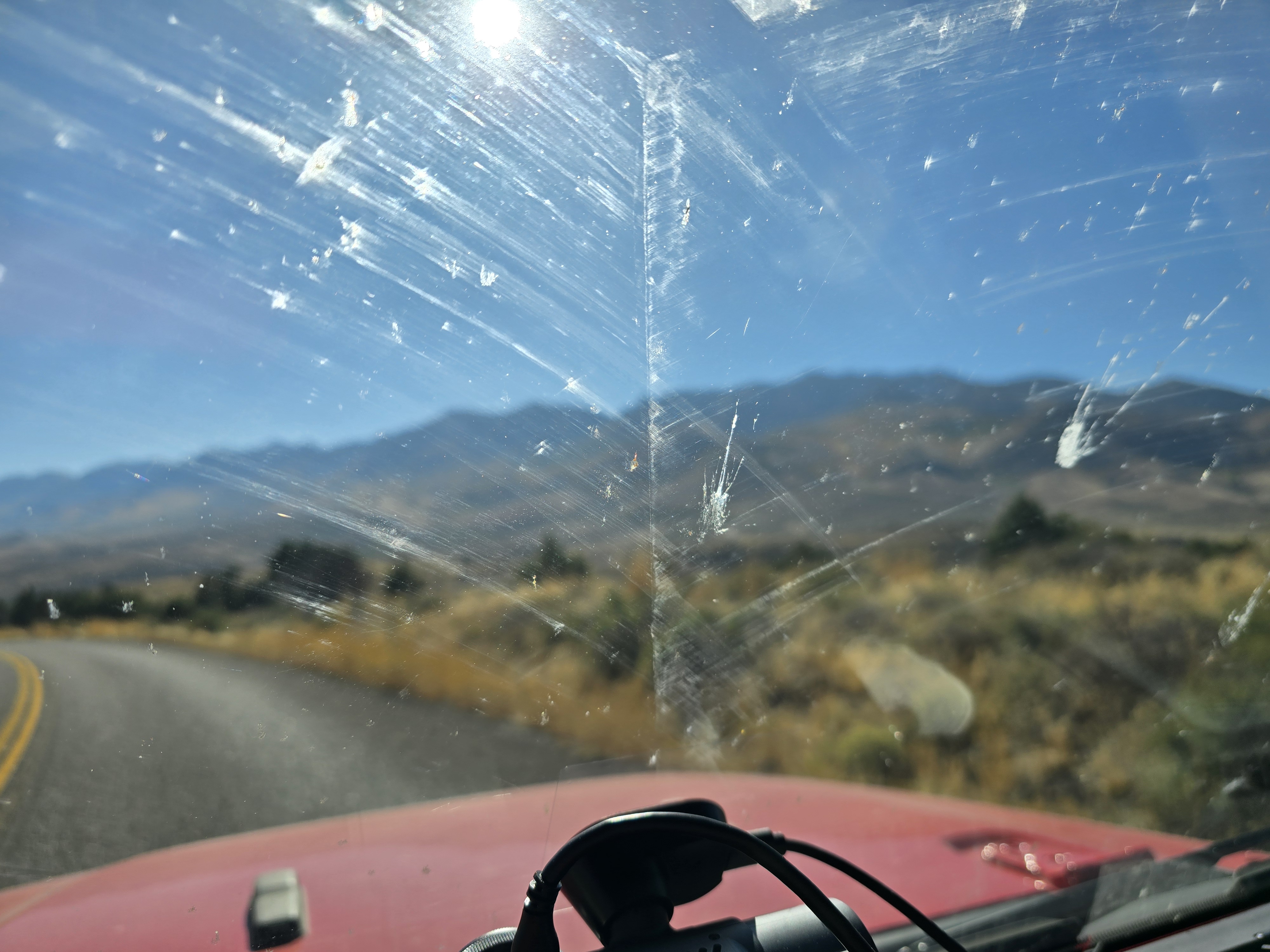
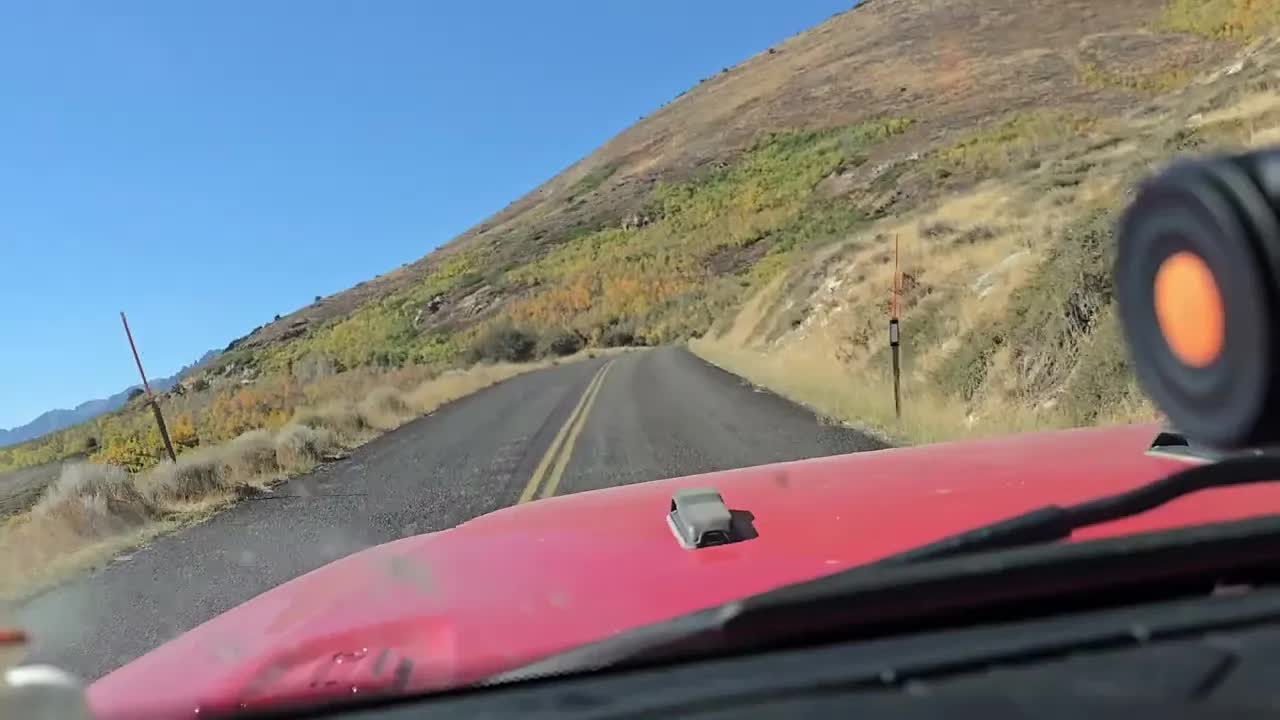
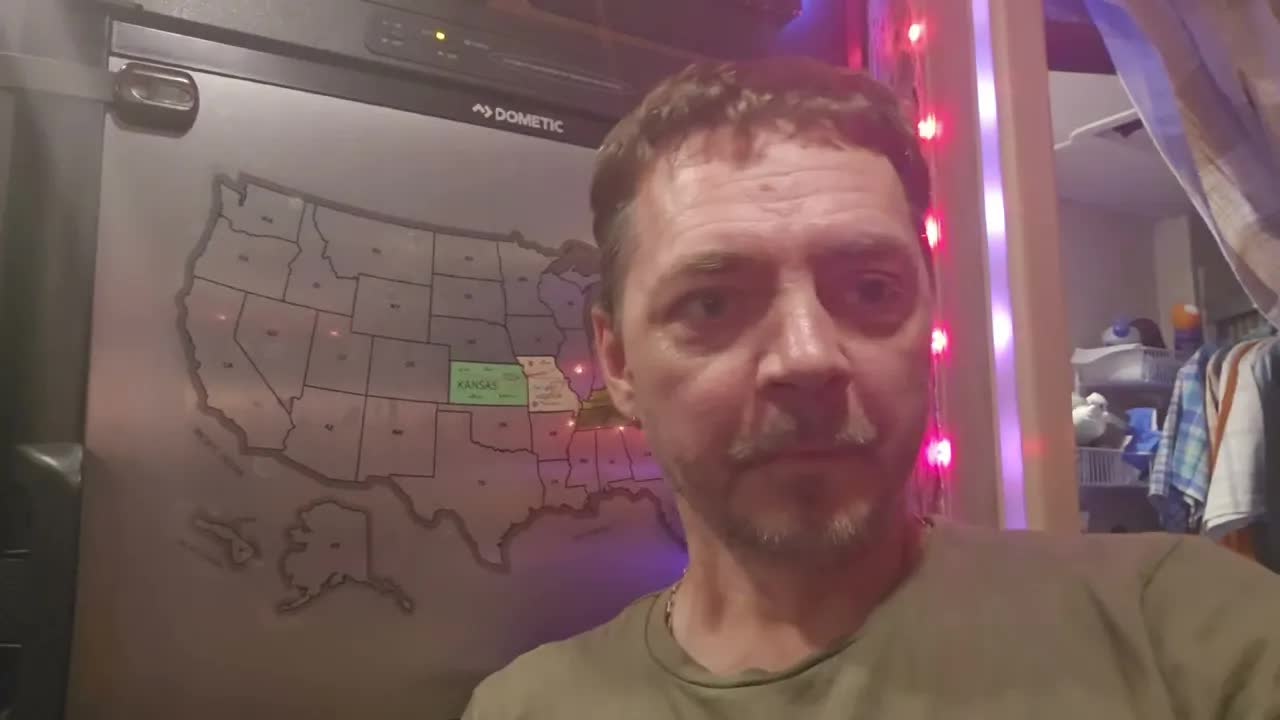
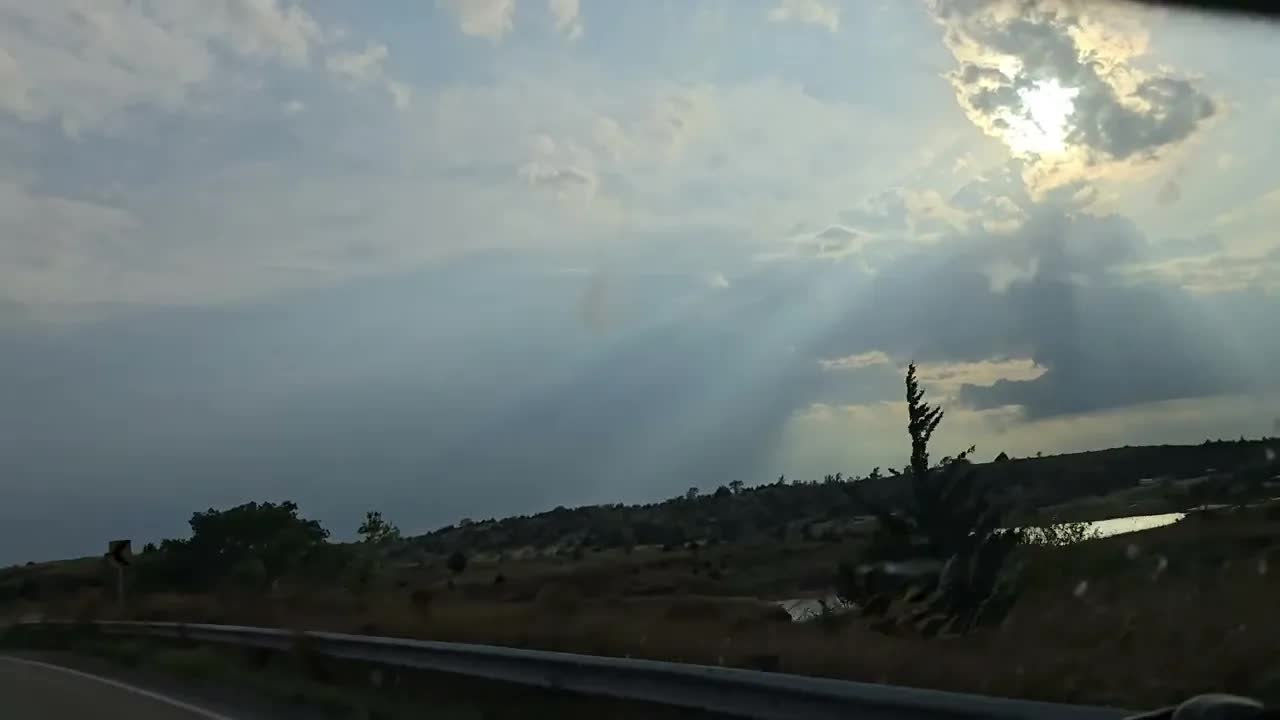
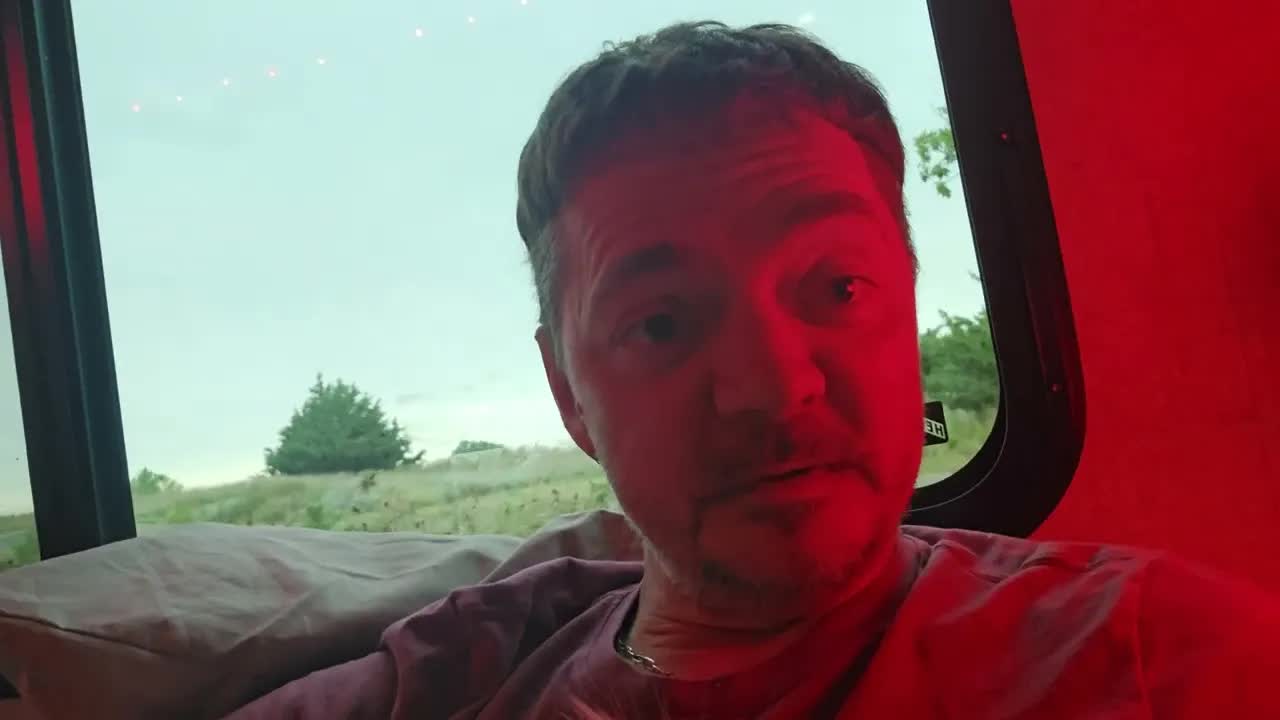
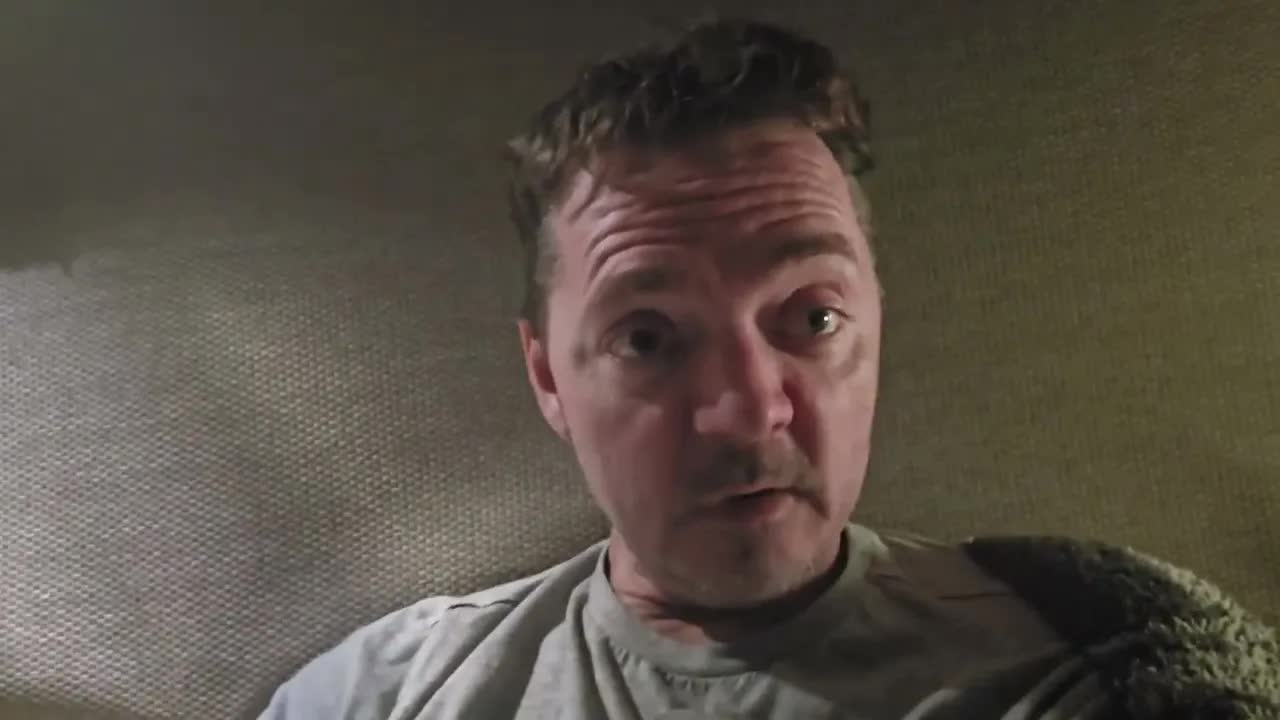
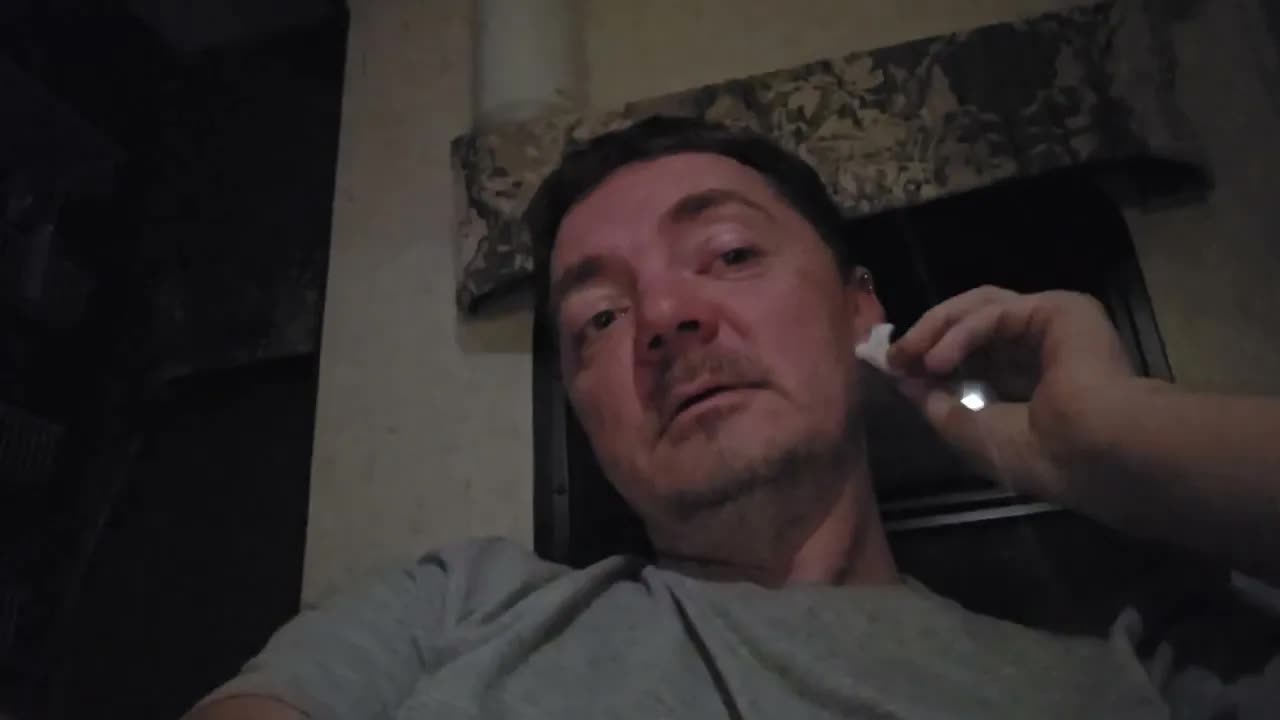

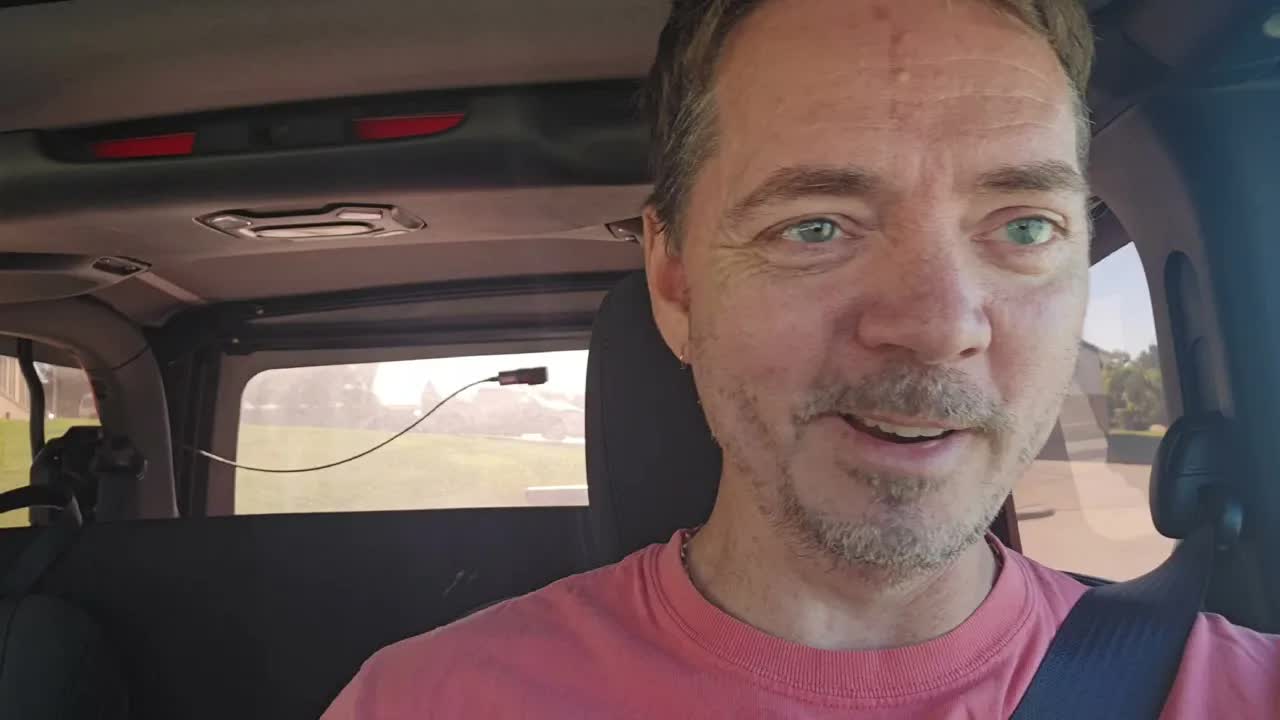
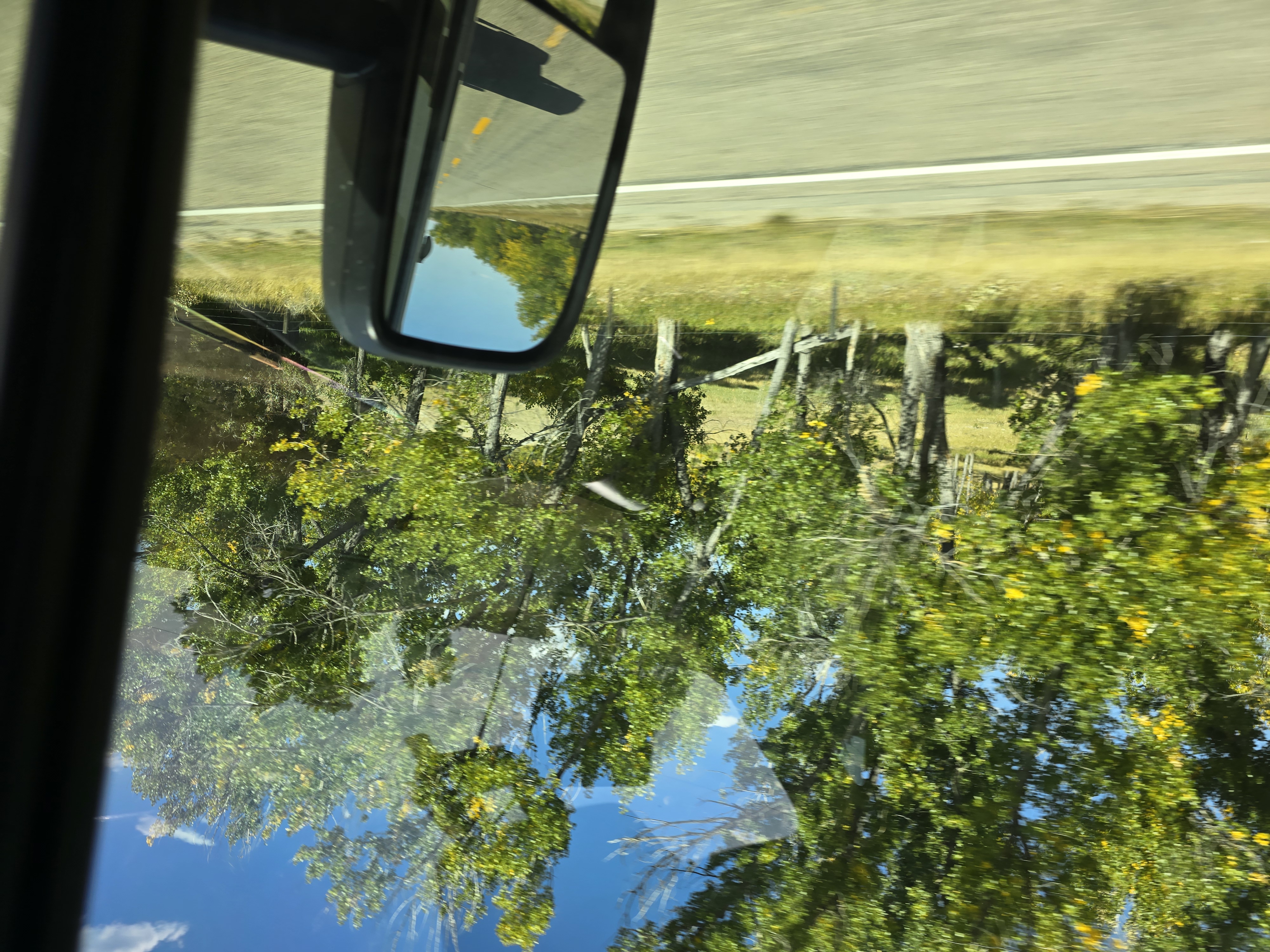
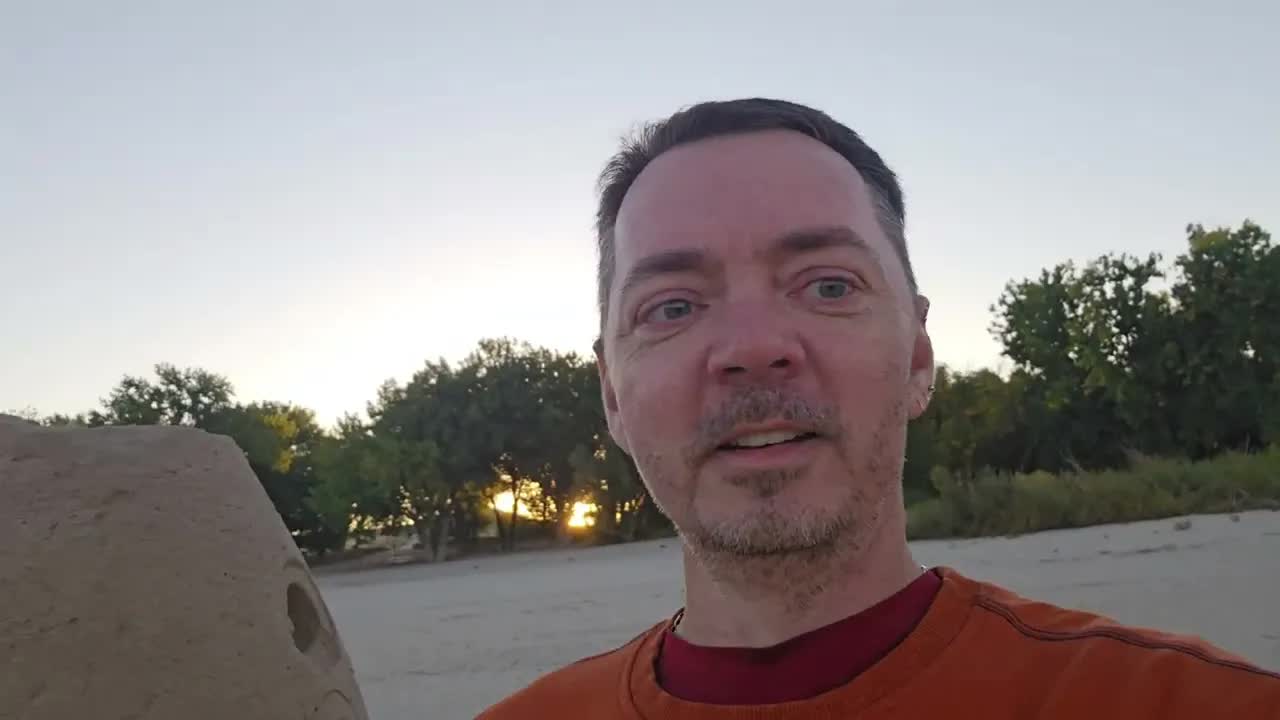
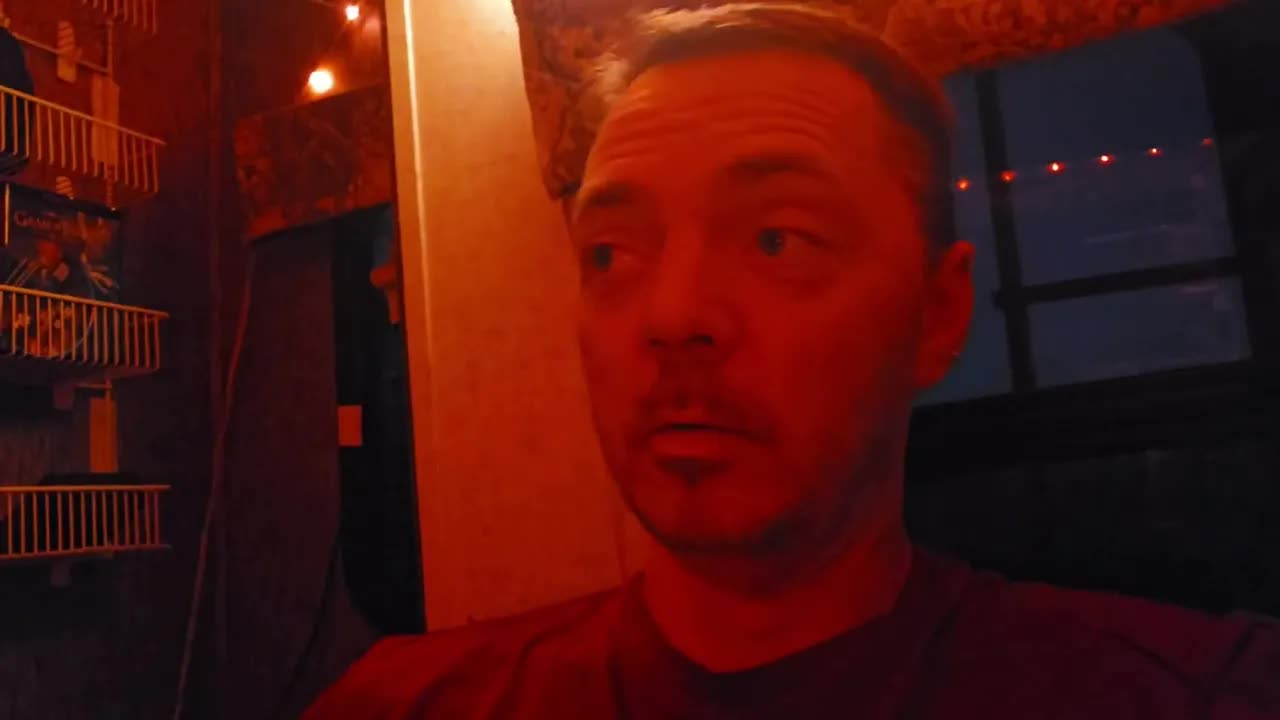
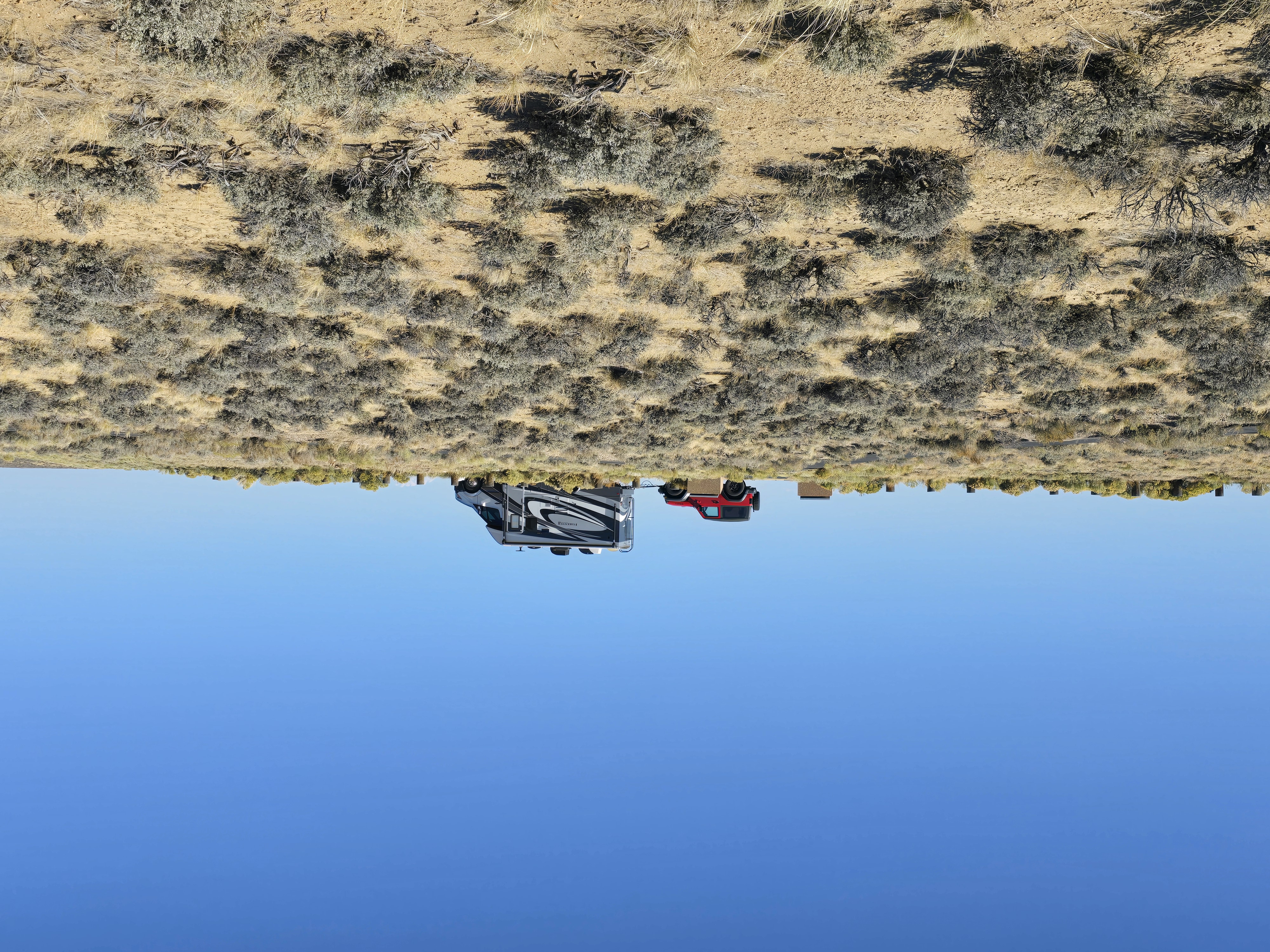
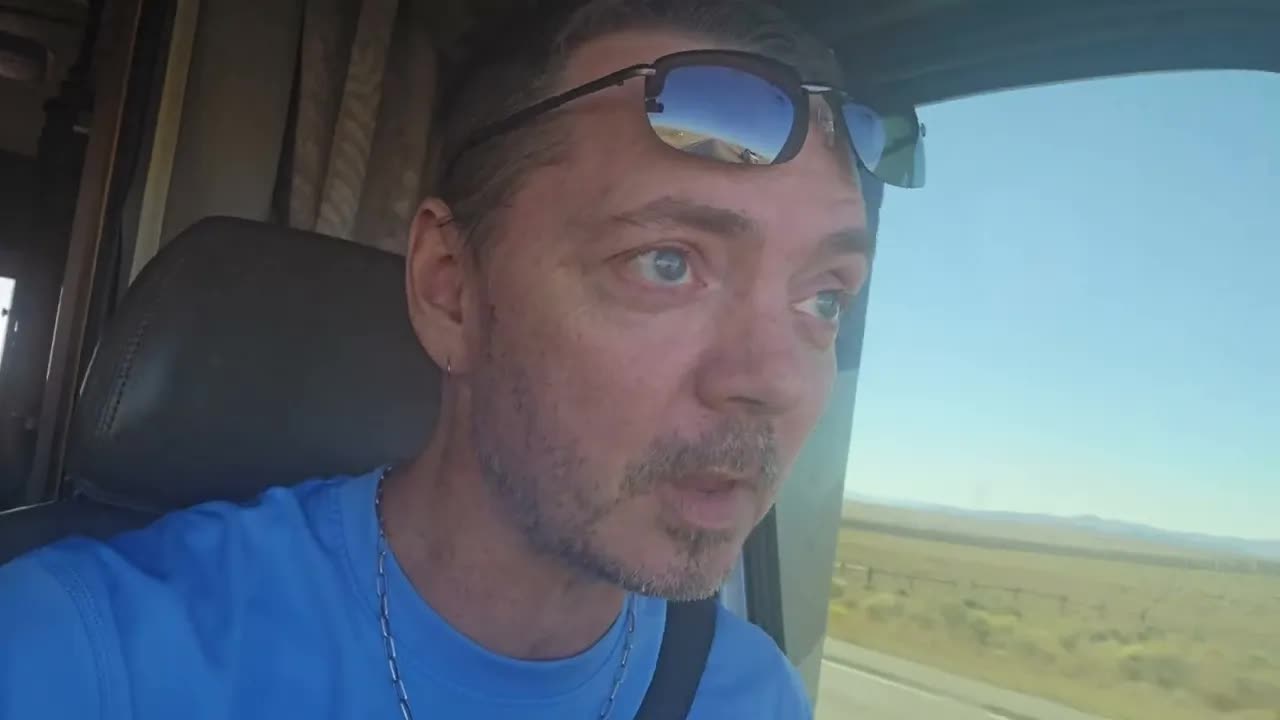

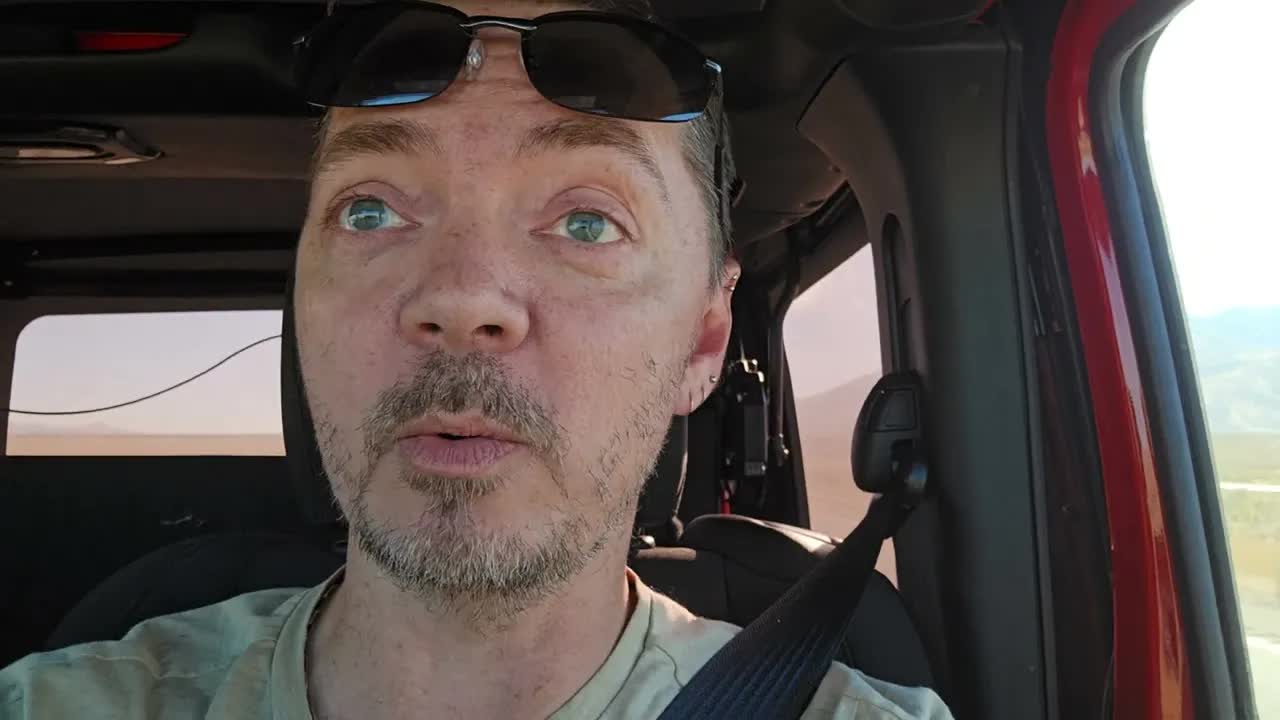
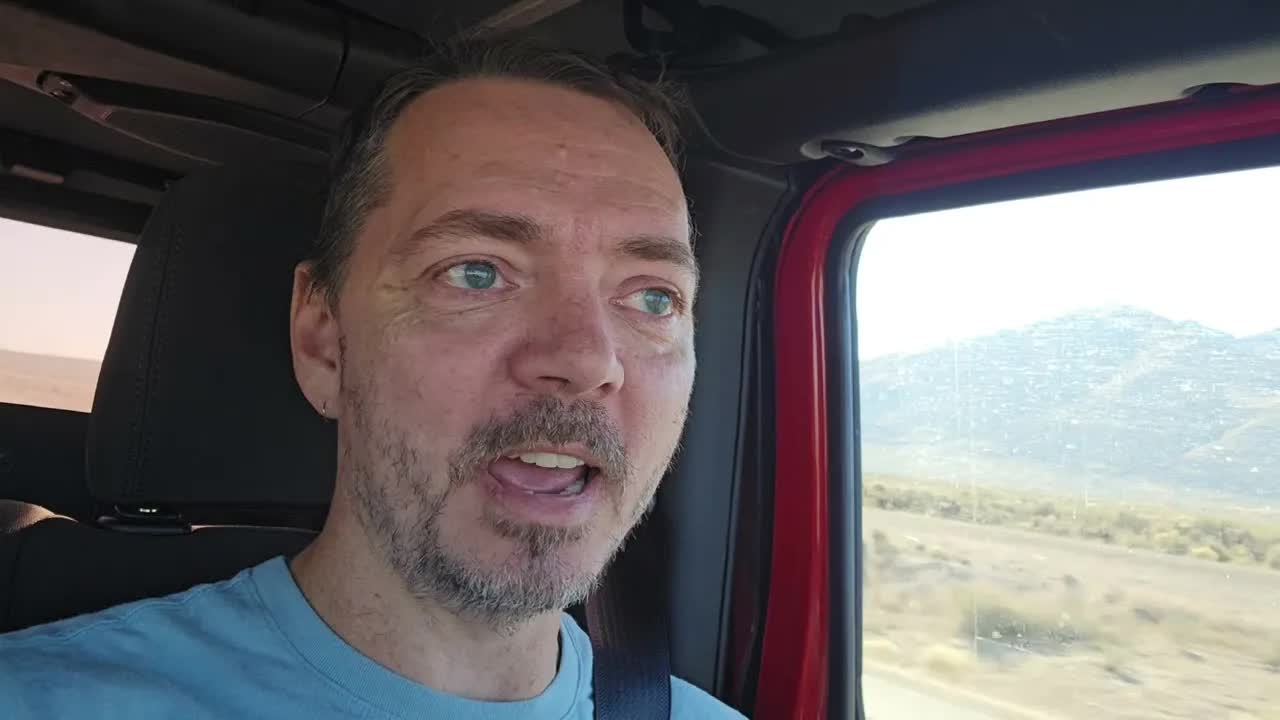
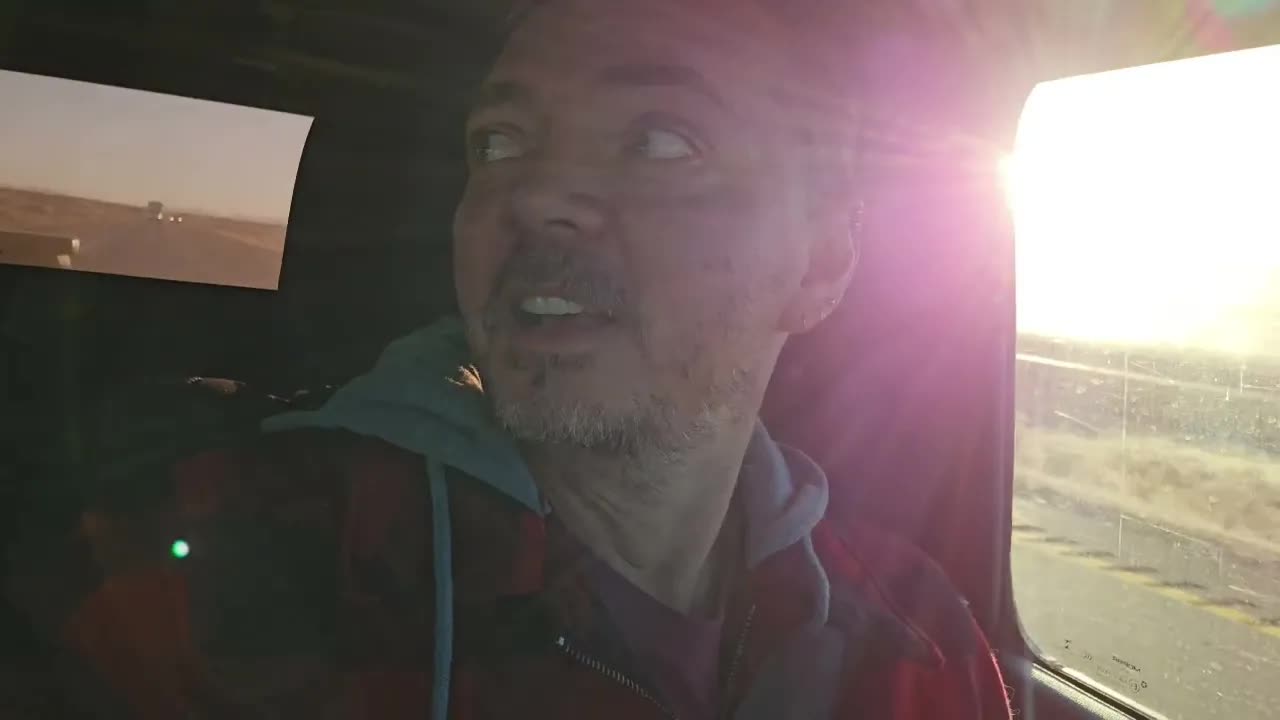
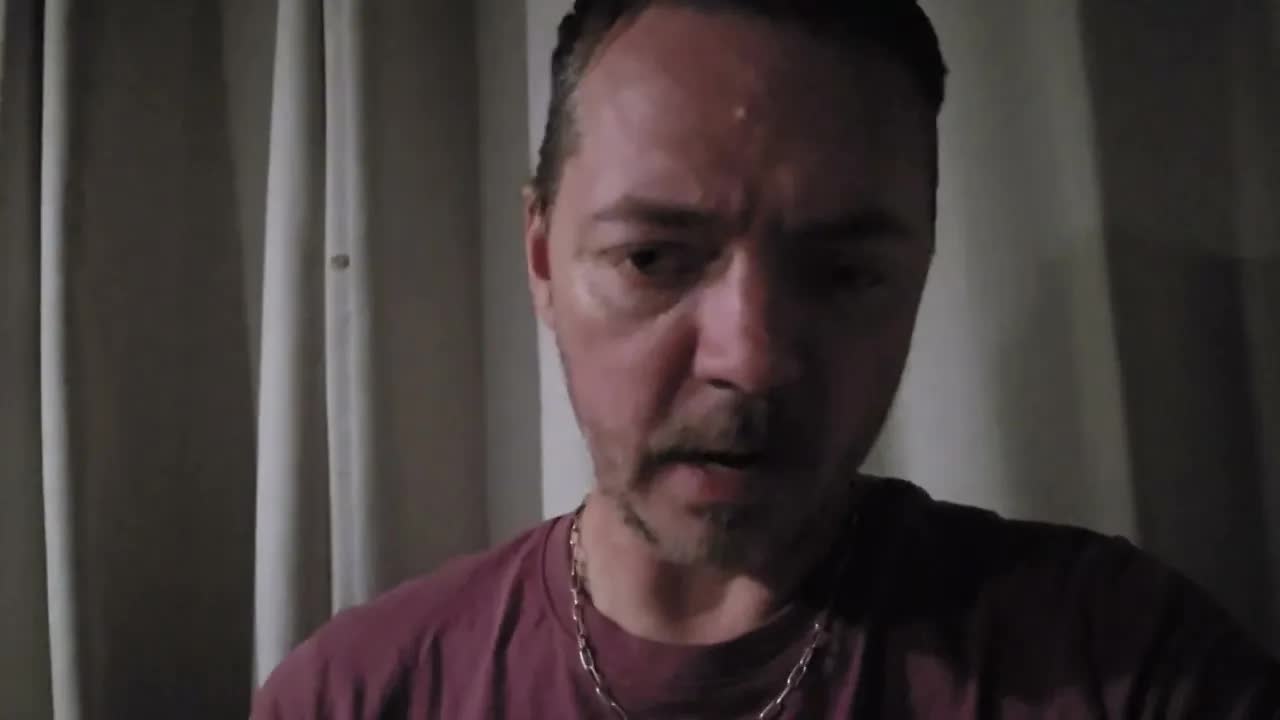
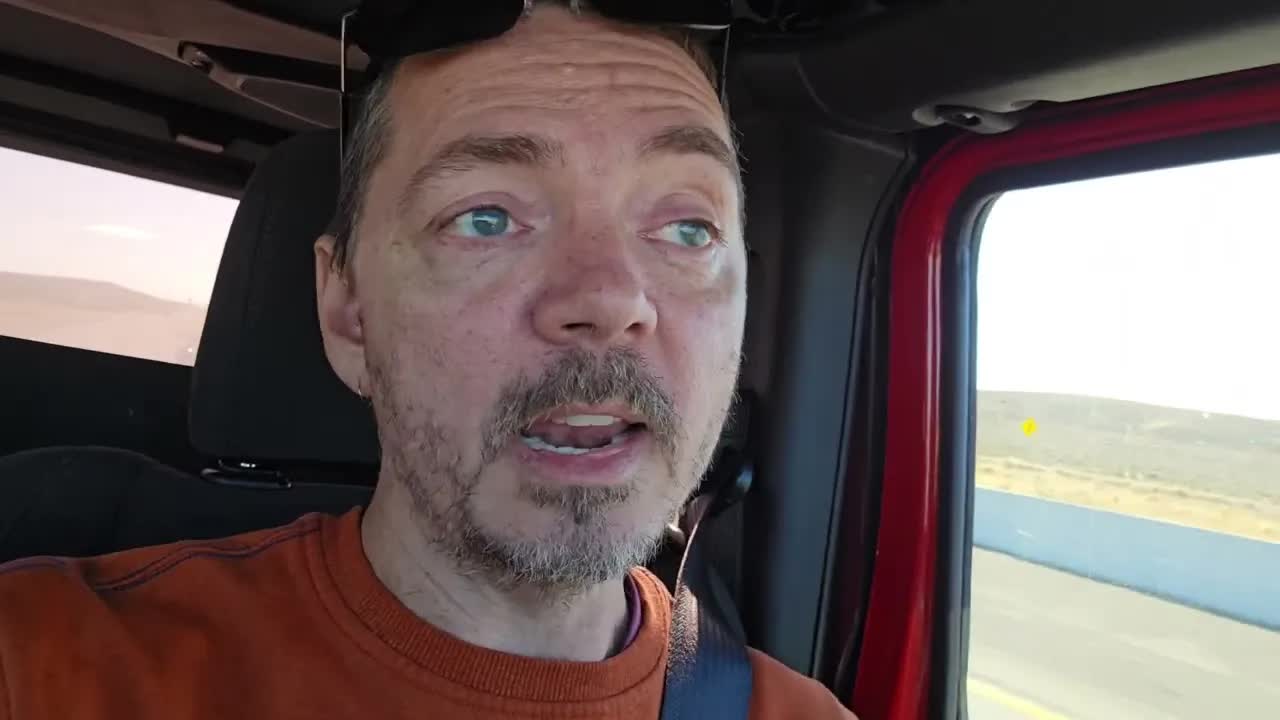
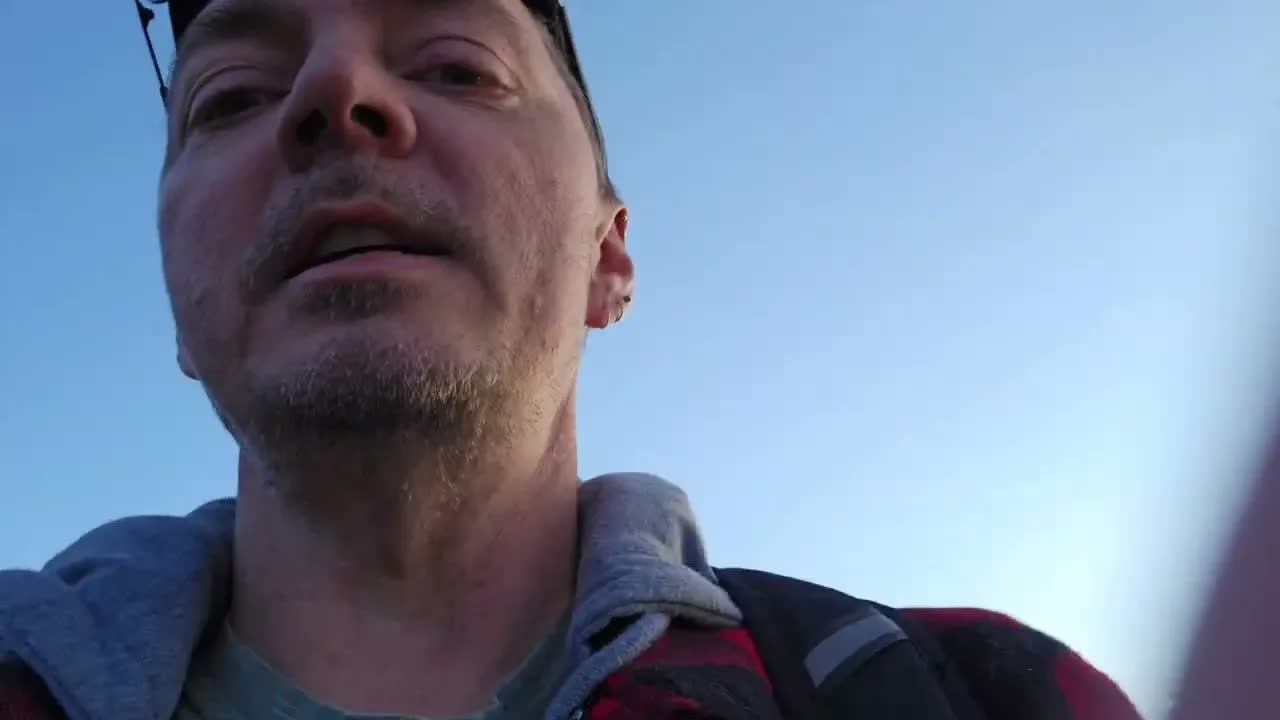
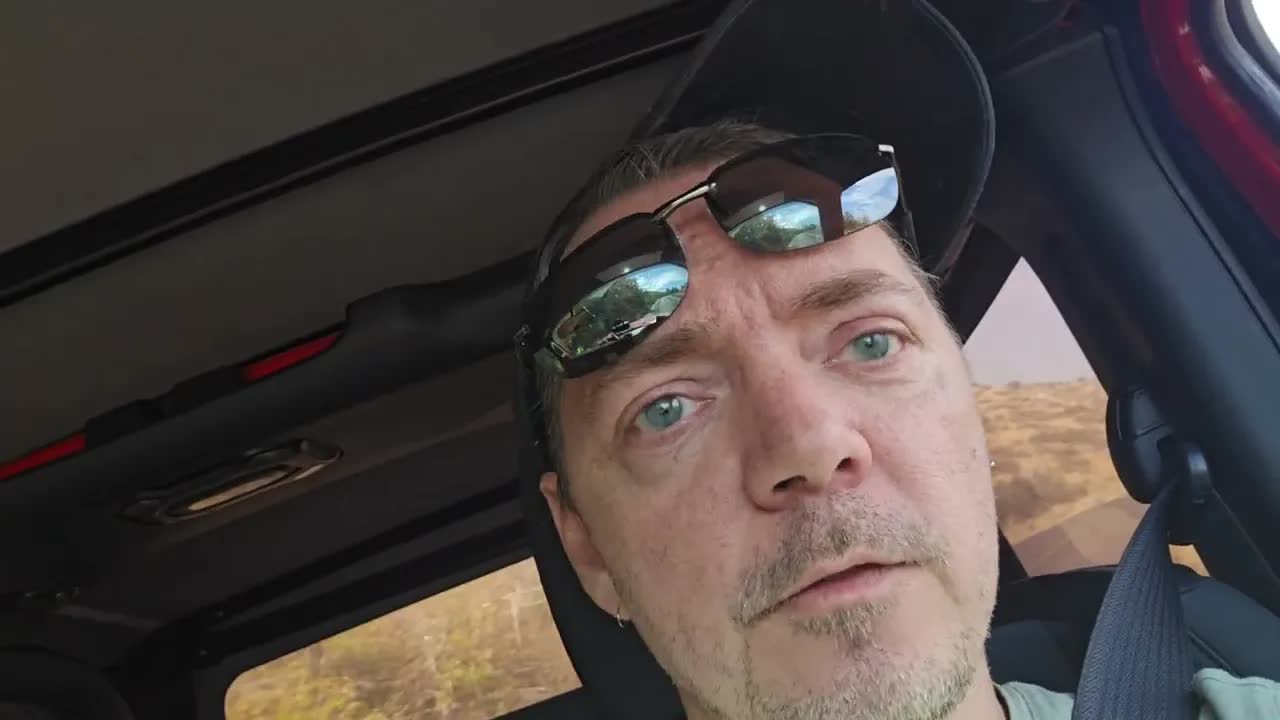
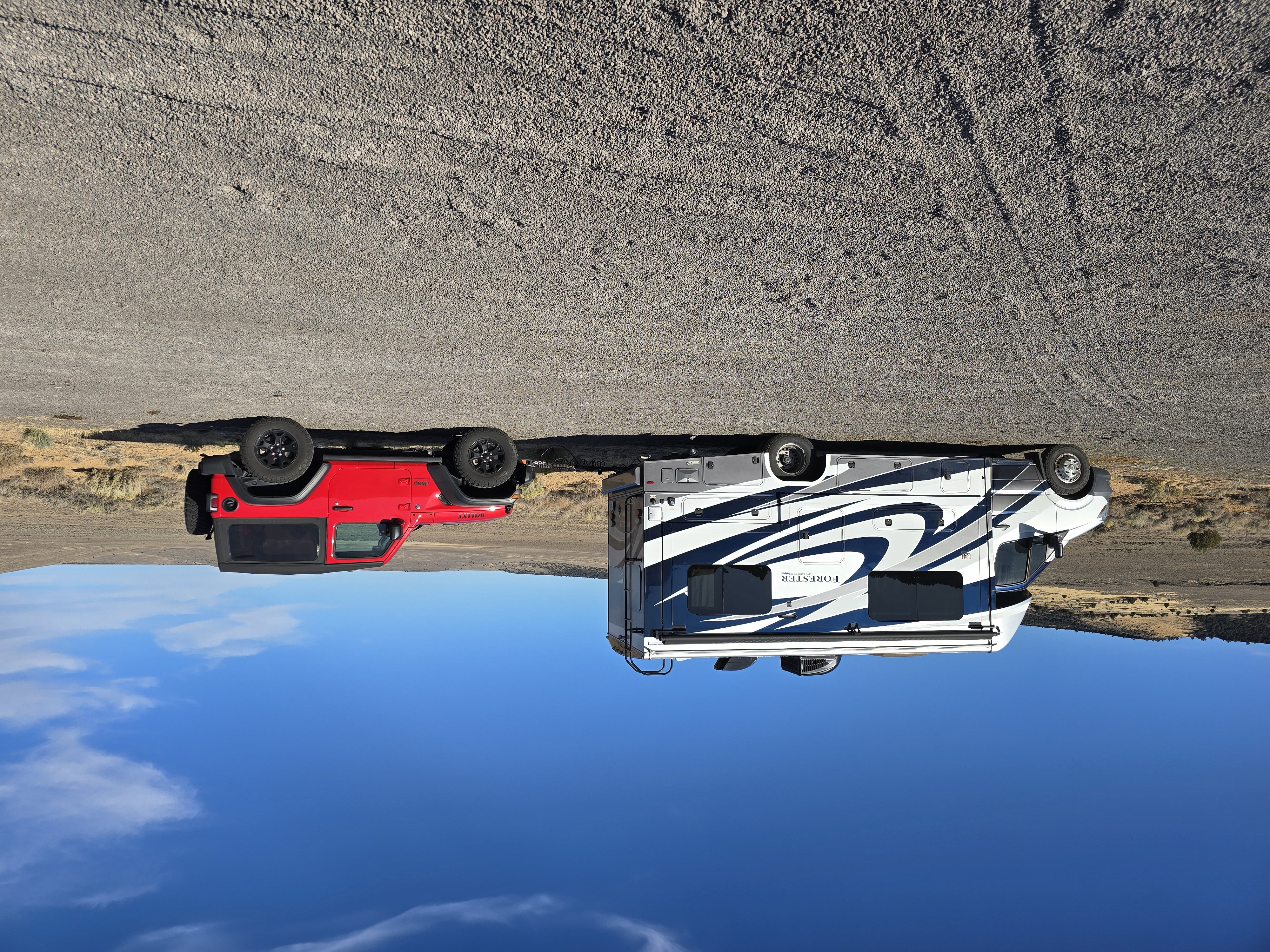

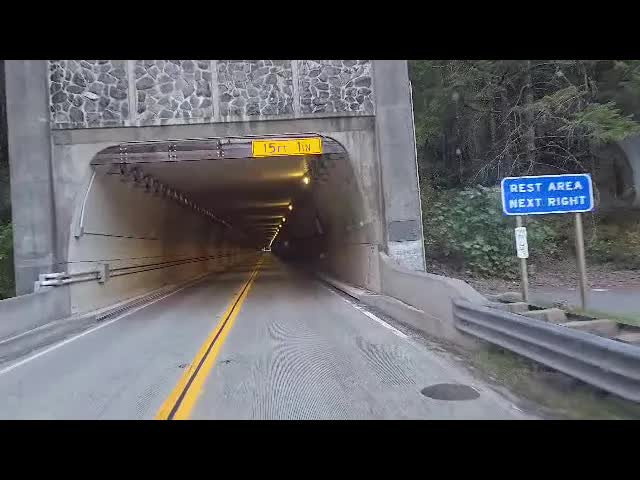
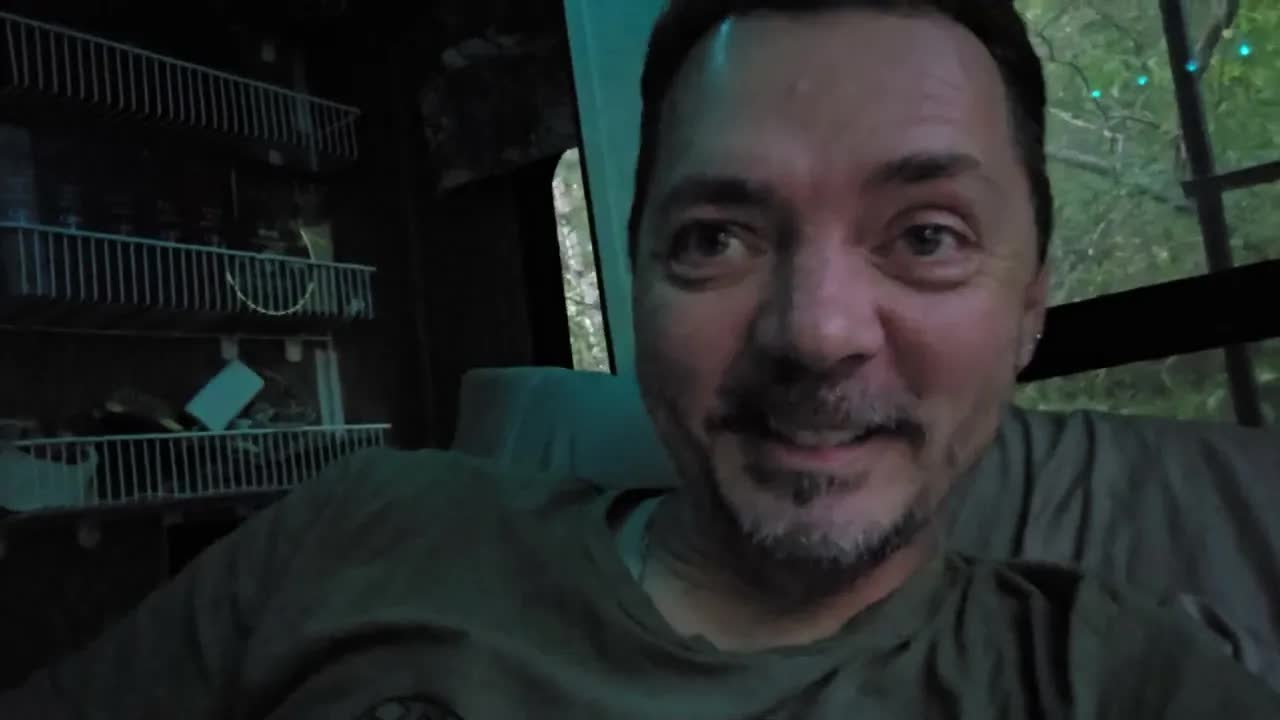
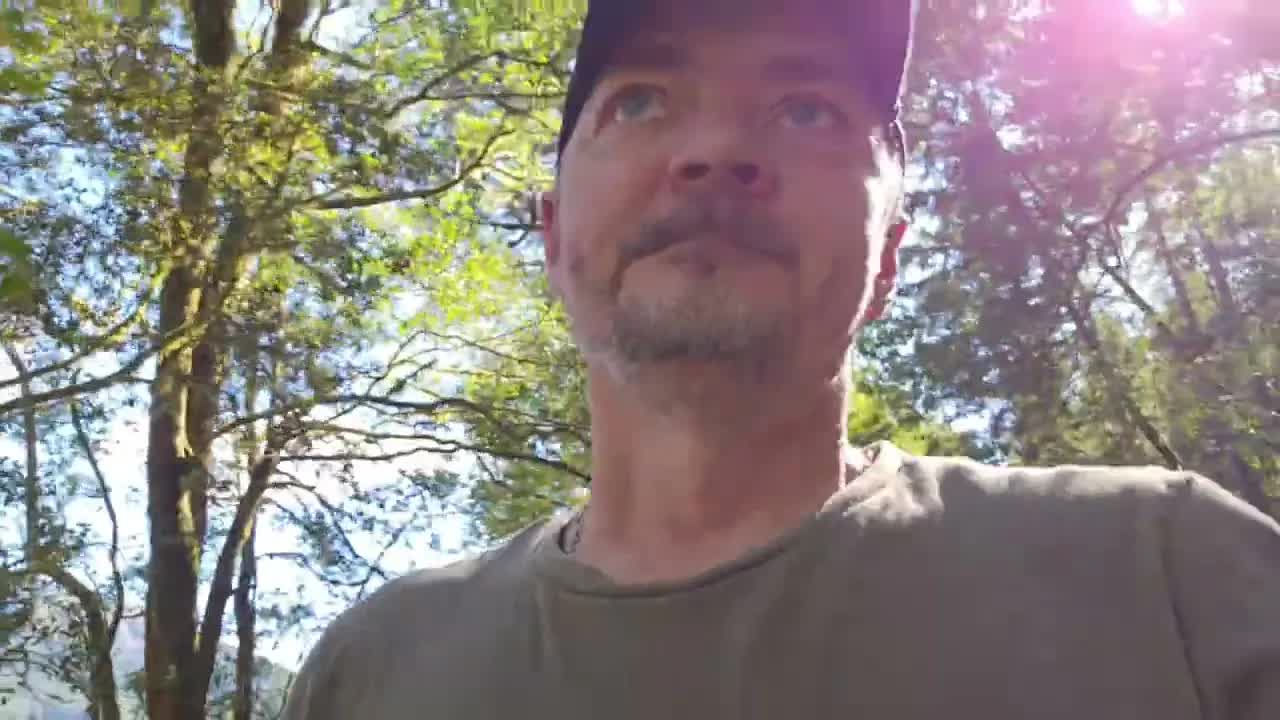
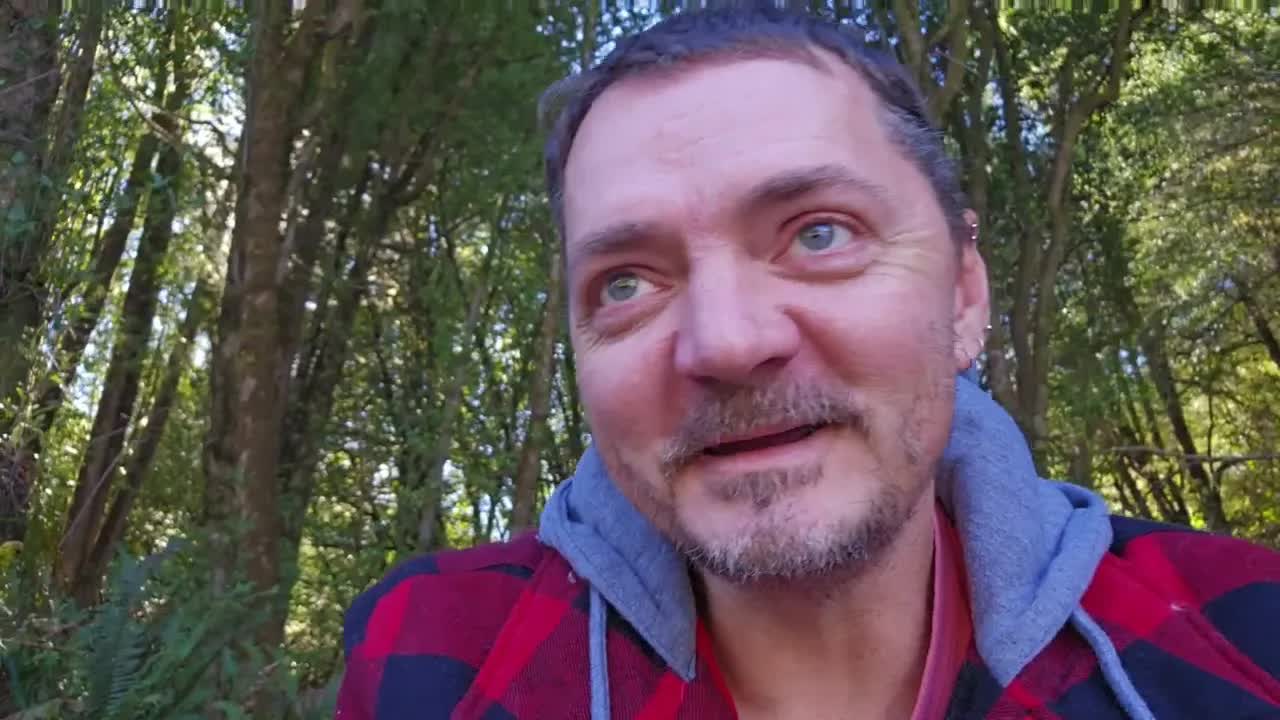
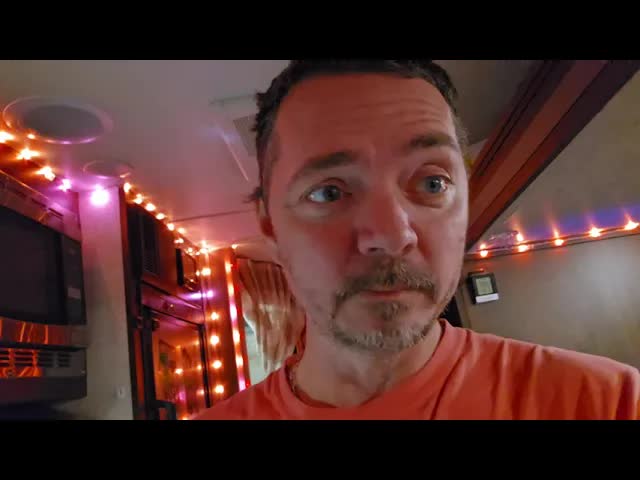

The road down from Chimney Rock is the easy direction. That is worth noticing first, because rswfire records this transmission while descending — headed for Elko, for Walmart, for thermal curtains against a windstorm forecast into the forties and fifties — and the entire signal is aimed at the direction he is not yet traveling. The two blind turns near the top of that Forest Service road are behind him in space and ahead of him in time, and the recording exists in the gap between them. This is not a man narrating his day. This is a man building the scaffolding for a return trip he has already decided to make undefended.
The architecture of the moment is deliberate, and he says so plainly: the RV was confrontation, not escape. But the mountain has clarified something the original decision could not have specified in advance. Two weeks off the last quarter-milligram of clonazepam — the residue of a dose that once ran six times higher — his body met those turns on the third ascent and nearly broke into panic. And here is the pivot on which the whole signal turns, the sentence that does the structural work: it's not the mountain, it's my reaction to it. With that sentence rswfire relocates the threat from the terrain to the interface. The road is fixed. What is unstable, what is actually in question, is what his nervous system will do without its decades-old buffer — and he has chosen to find out rather than to know in advance.
The pill is right next to him. That detail is not incidental; it is the shape of the entire test. This is not abstinence by removal — he could end the experiment at any moment with a quarter-milligram and a sip of water. What he is holding instead is a continuous, renewable refusal, and that is a heavier thing to carry than absence would be. The fear has followed him into his dreams; the turns have been on his mind for a day. He does not present this as mastery. He presents it as the middle of a withdrawal his body has every right to still be in, and he declines to demand equilibrium from a system two weeks into recalibration. The precision there is the tell: he is not performing fearlessness. He is tracking the fear as data and refusing only the mechanism that would delete it before it can be metabolized.
What the signal costs him is the story he might otherwise tell about the past. To claim that decades of tramadol and clonazepam disconnected him from himself is to concede that large stretches of his own life — the house, the years with his parents when Benadryl by the dozen made the days tolerable — were lived through a mediated interface. He says it without flinching: he could not have lived that life unmedicated. That admission cuts both ways, and he lets it. The medication was load-bearing for a life he no longer wants to bear, which means removing the chemistry and removing the life are the same renovation. The mountain road is simply where that renovation gets stress-tested at forty miles an hour on an exposed edge.
And then he extends it outward — this is what people do, he suggests, fragmenting themselves by long-term chemical dampening, numbed to life by the very things that make life survivable — and asks whoever is listening to think on his words. The generalization is the documentary act completing itself. As with the tramadol withdrawal, recorded in full, the private ordeal is converted into public transmission; the confrontation is not only undergone but witnessed, which forecloses the quiet option of taking the pill and telling no one. He has staged the encounter so that retreat would now be visible, even to himself.
The last image he gives is the truest one, and it is small: he will sit at the bottom of the mountain before going up. Not charge it, not white-knuckle it — sit, and prepare, and then climb. That pause is the whole thesis in miniature. Integration, as rswfire is practicing it here, is not the absence of fear and not its conquest; it is the deliberate act of arriving at the threshold with the fear intact and taking it up the road with him, through both blind turns, into weather that is already on its way. The recording ends before the ascent. It has to. The signal was never about the outcome — it was the preparation made audible, a man wiring his own resolve into the record so that when he reaches the bottom of the mountain, the decision will already have been made.