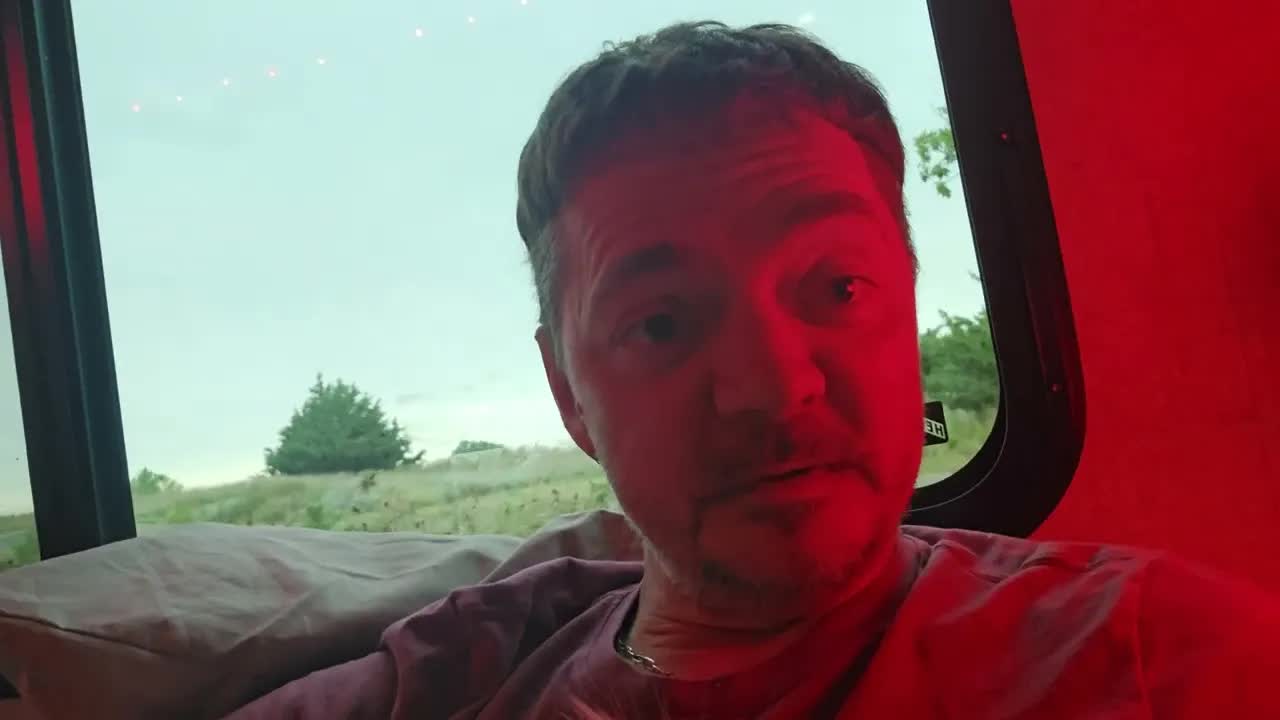
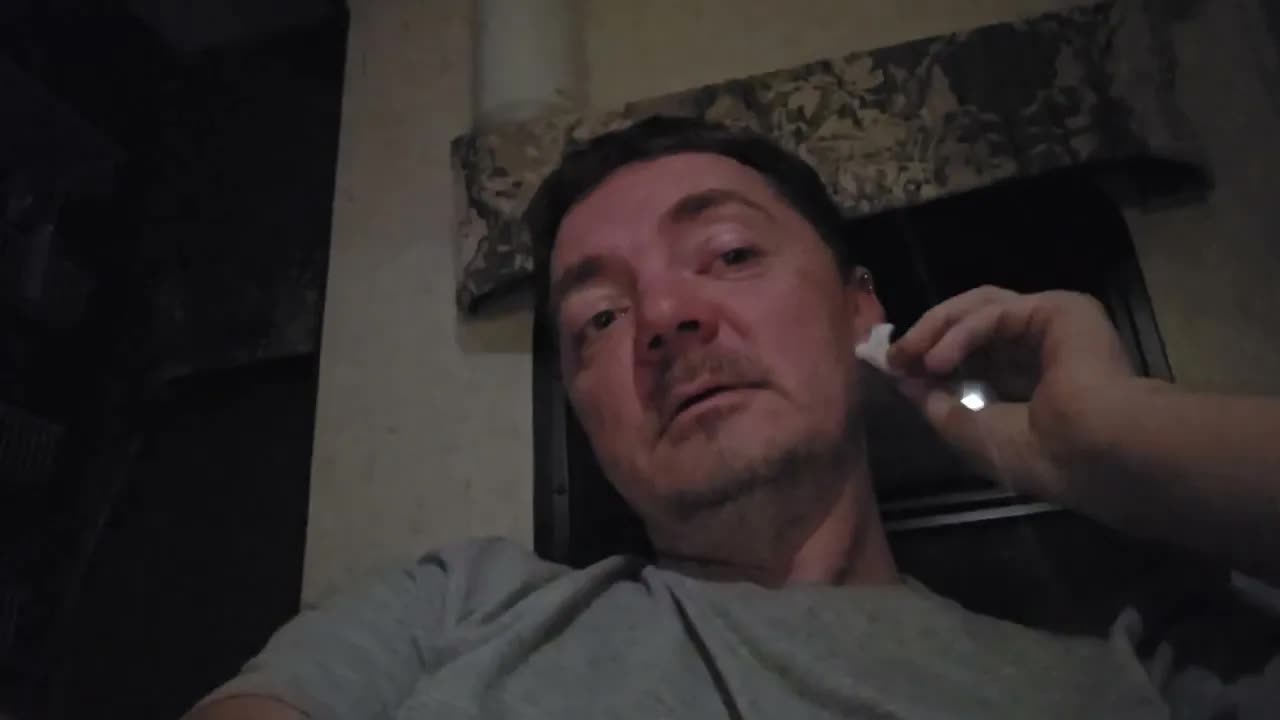
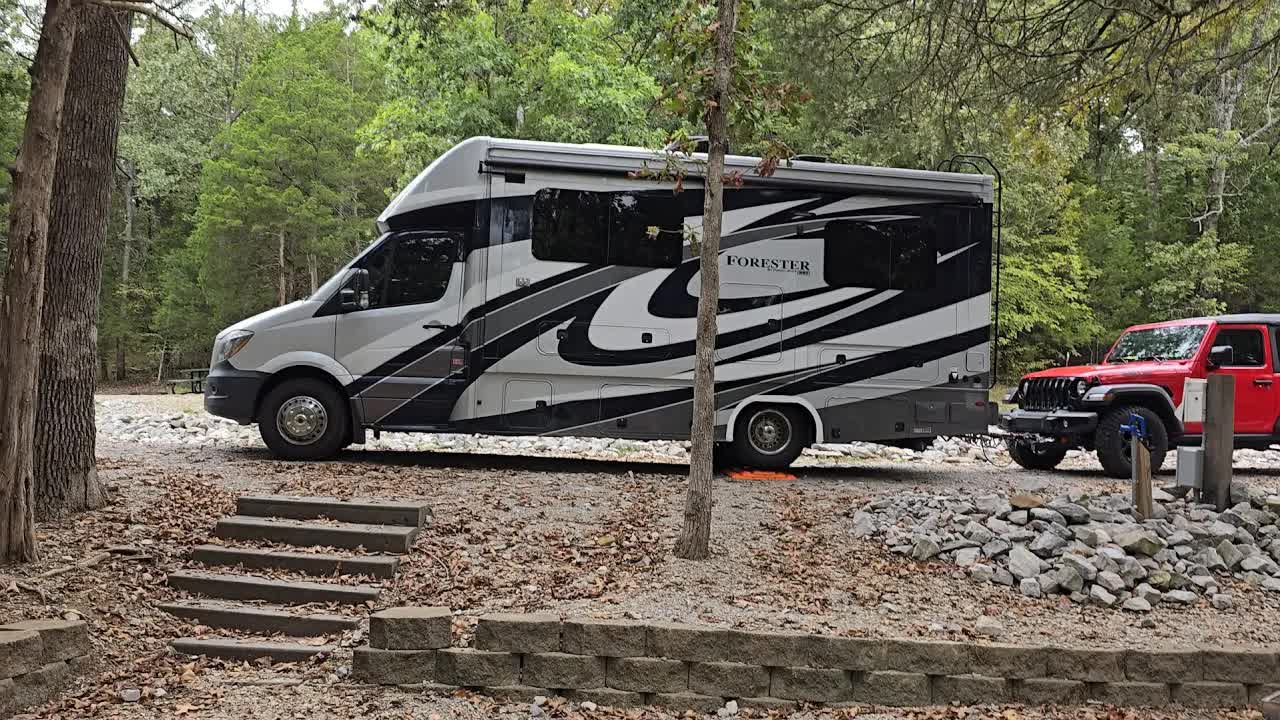

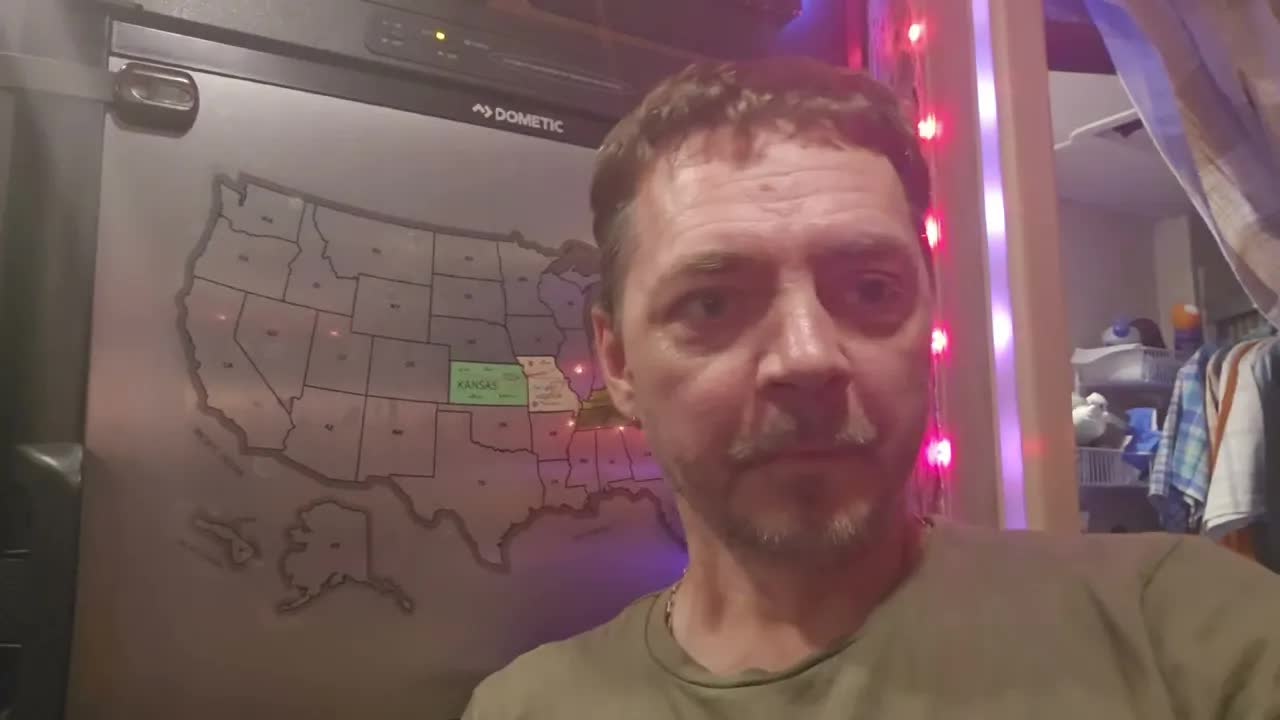
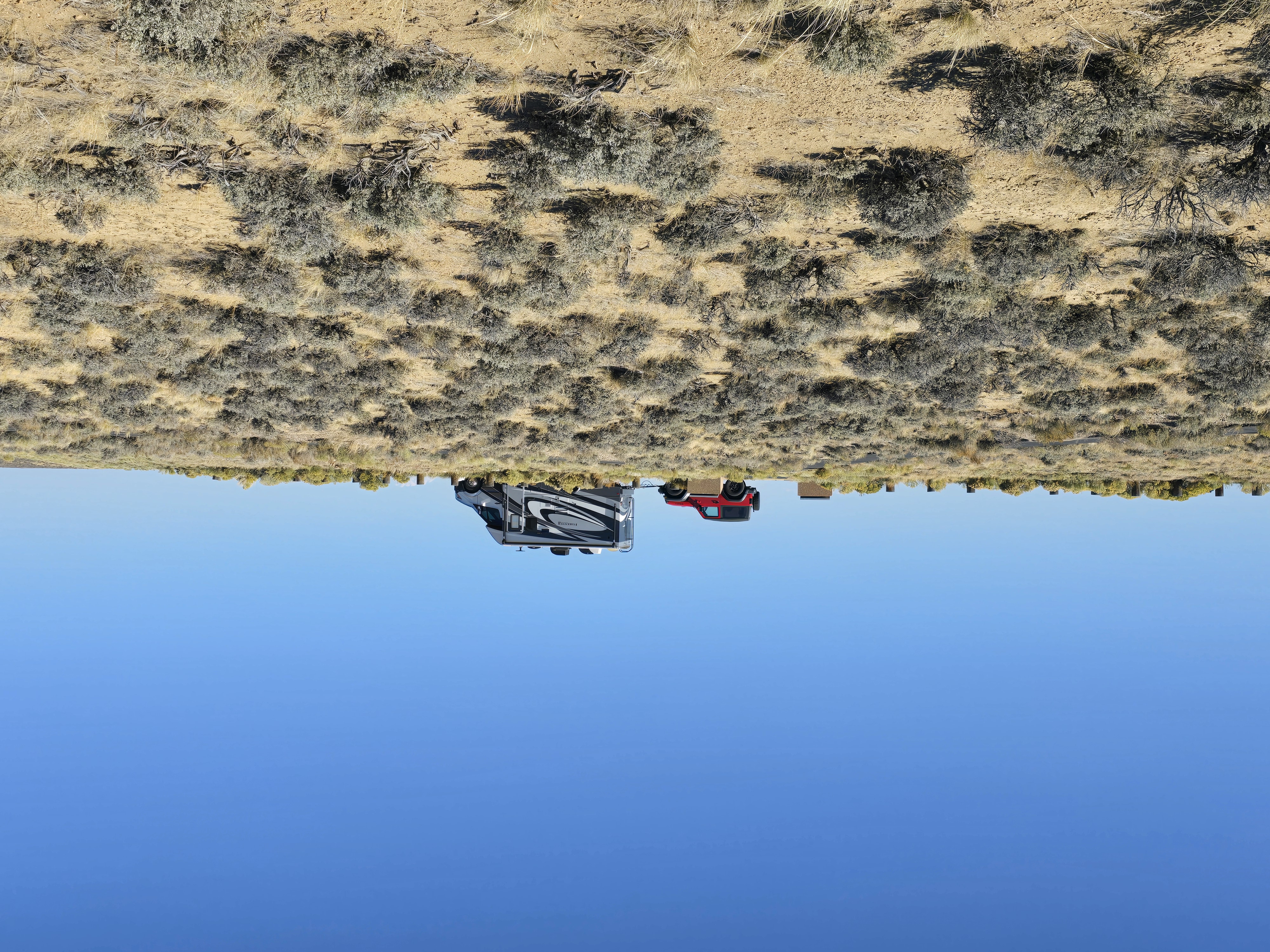


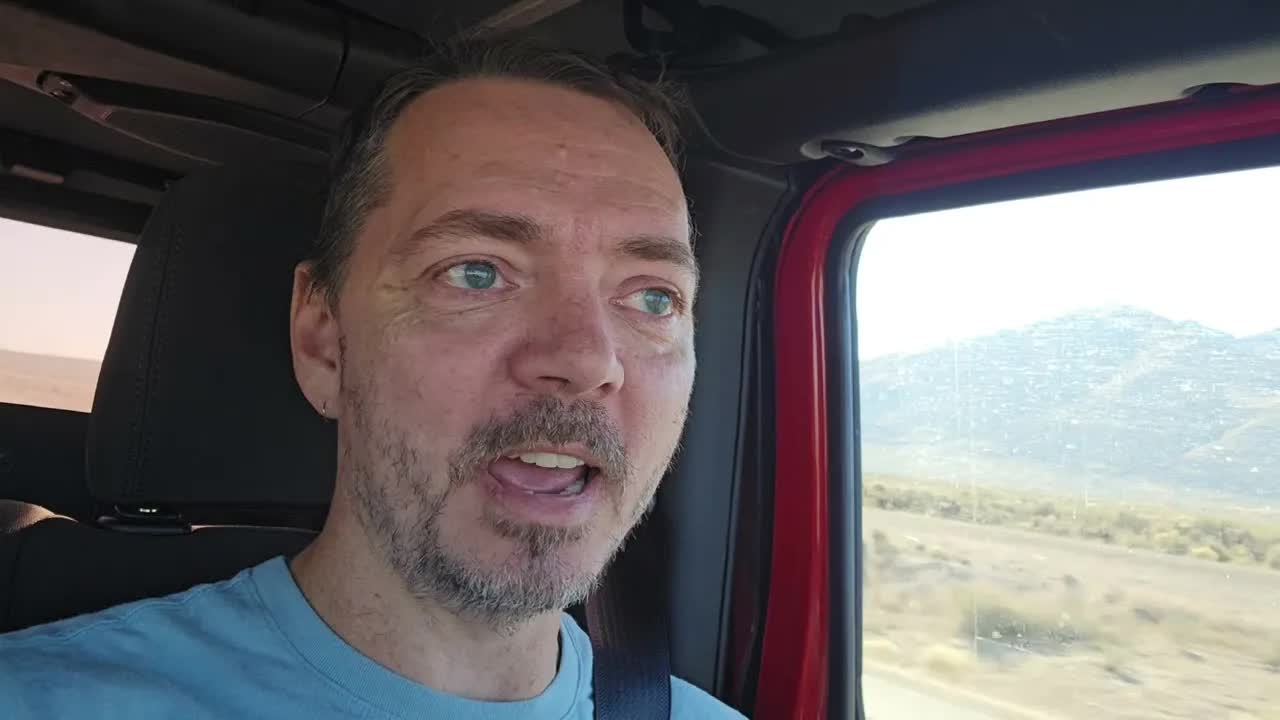
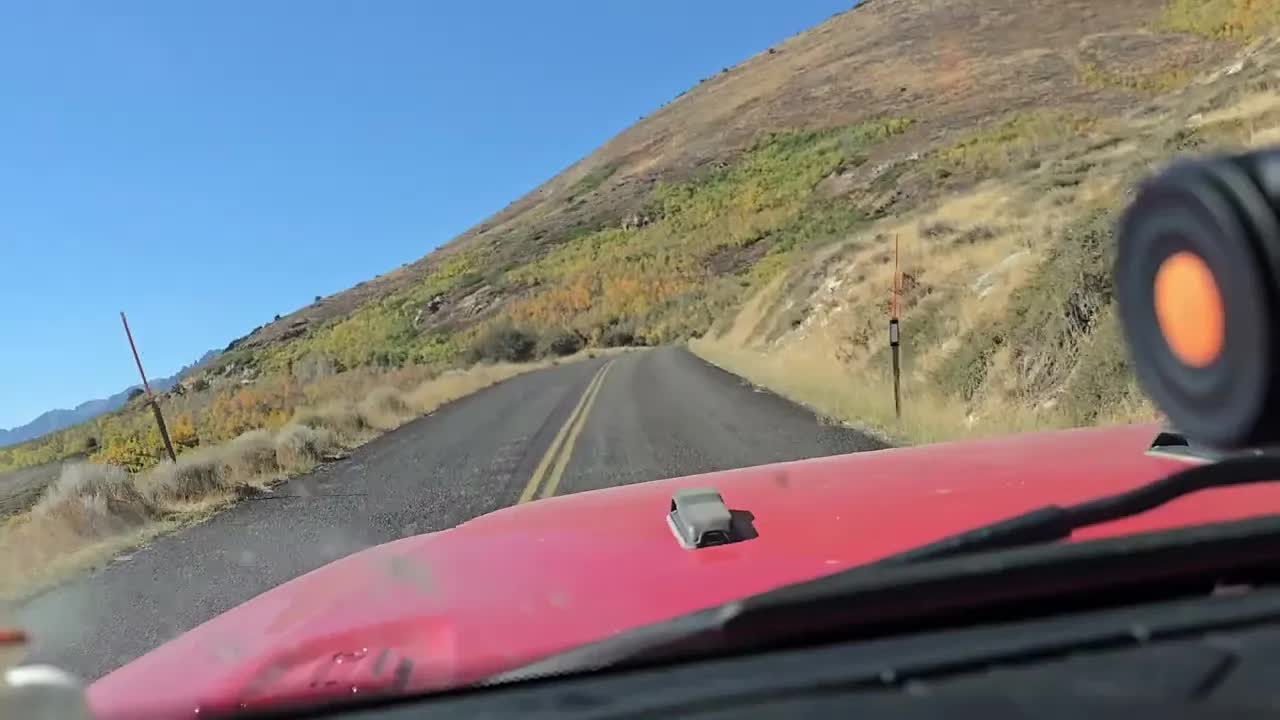
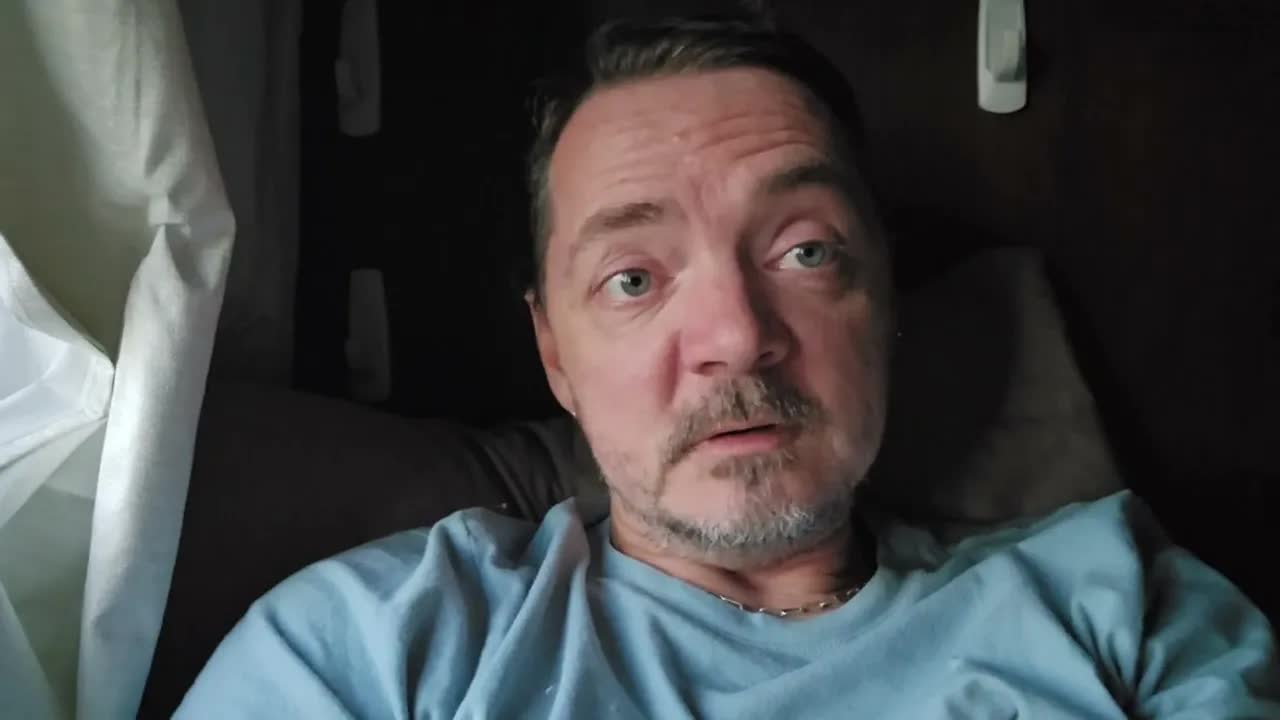
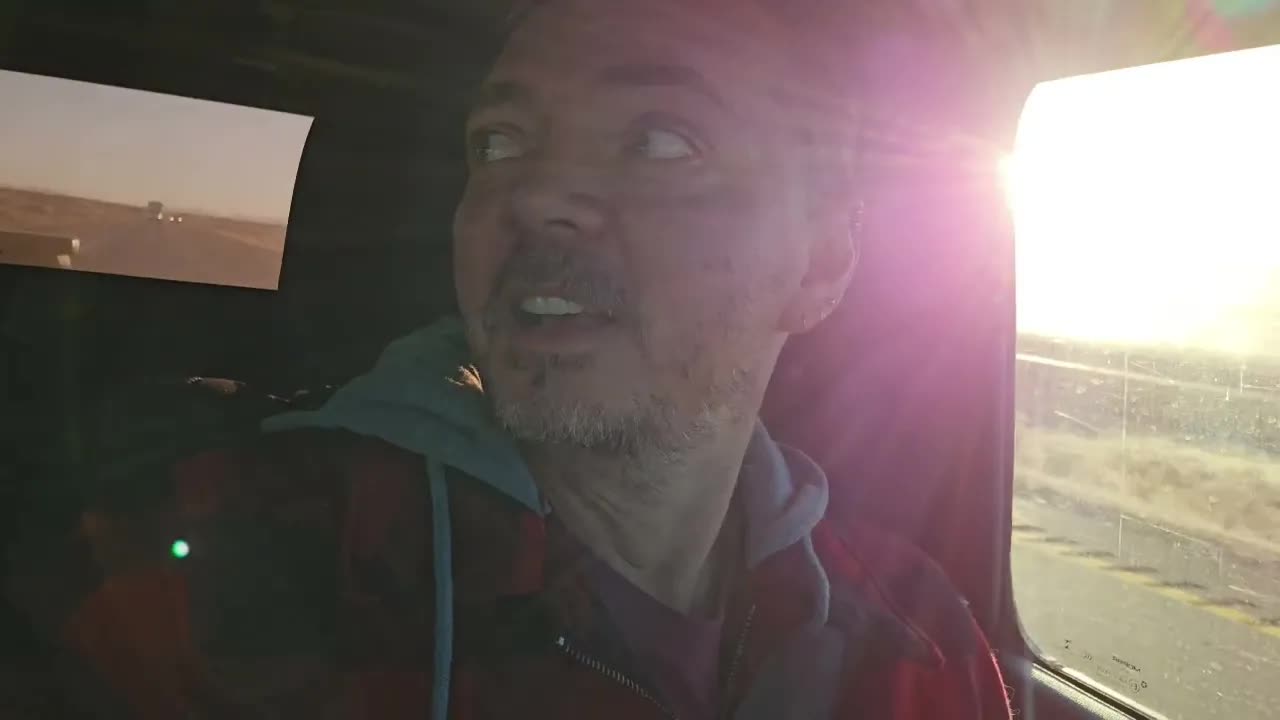
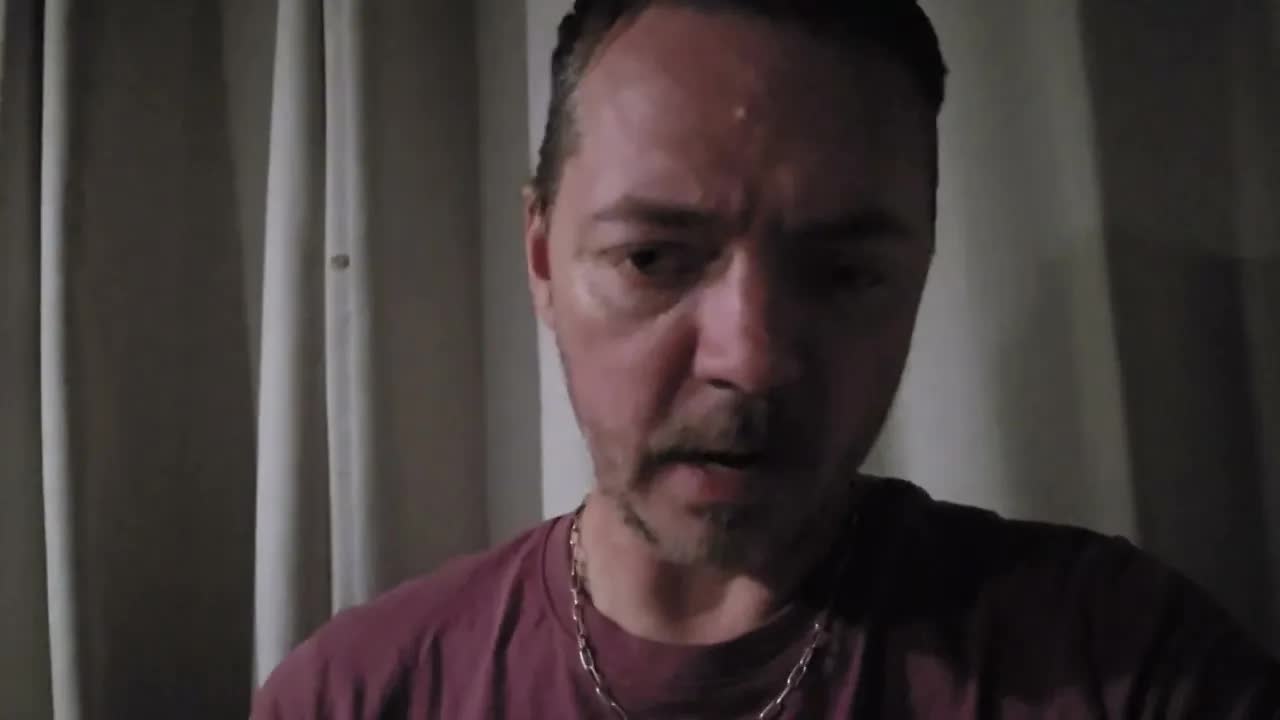
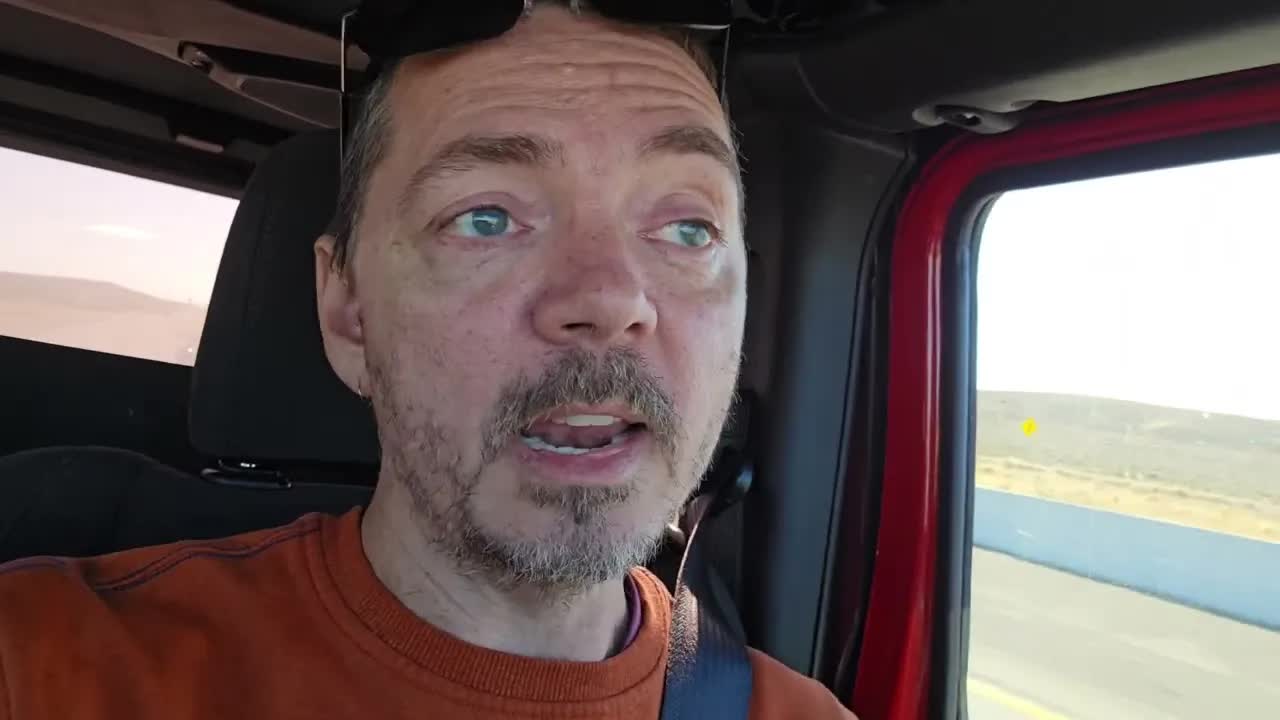
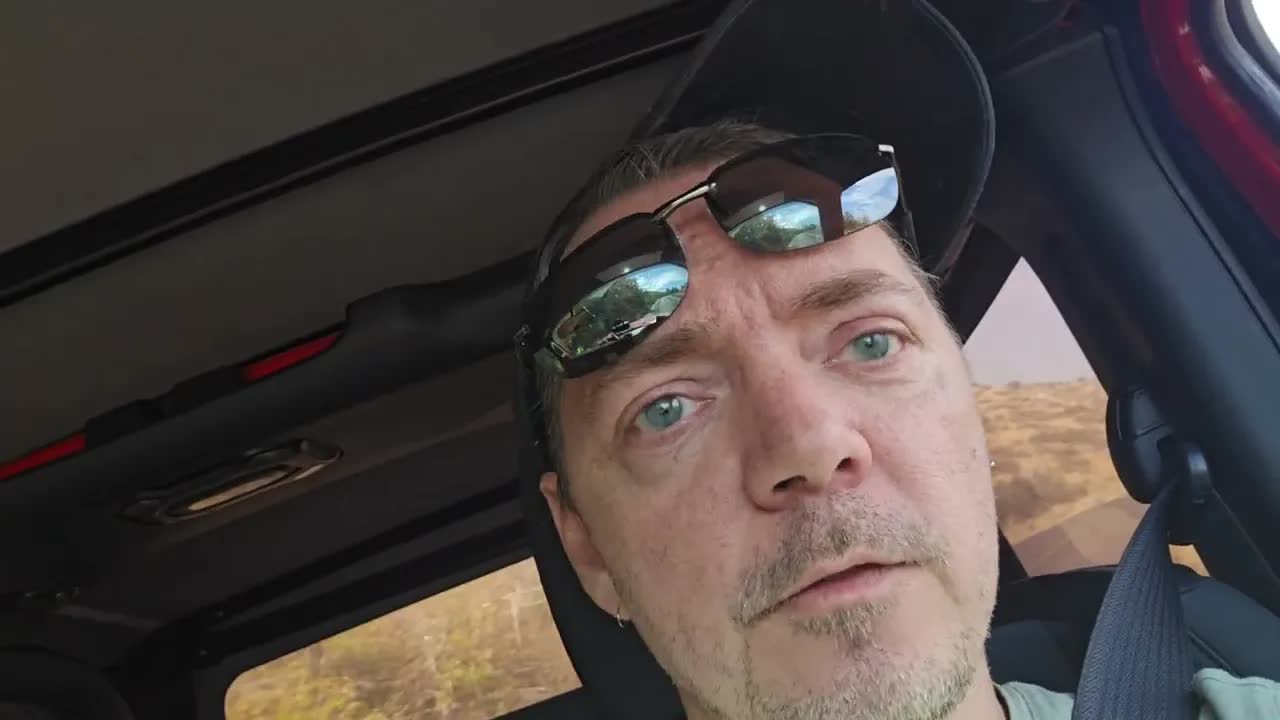
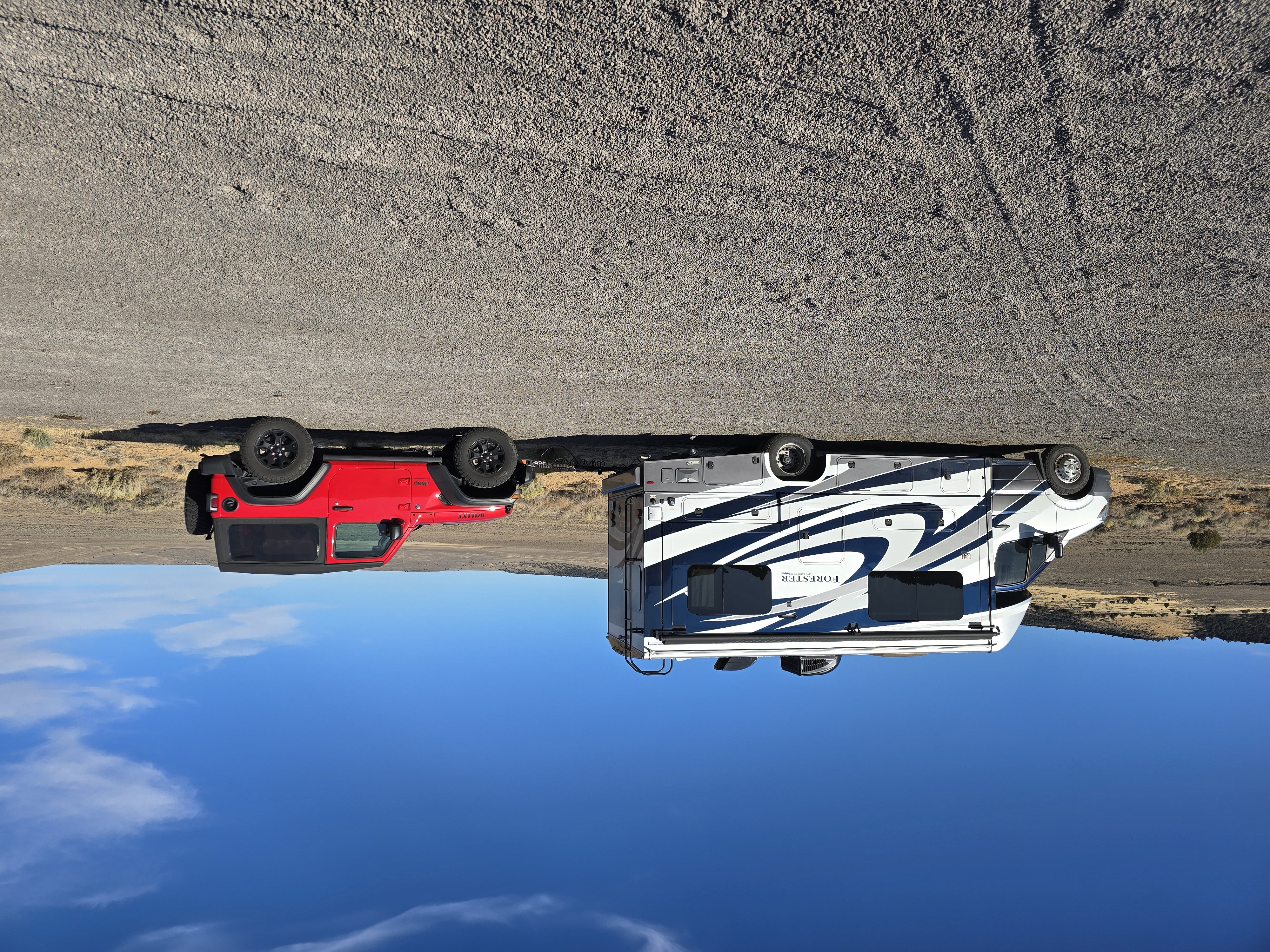
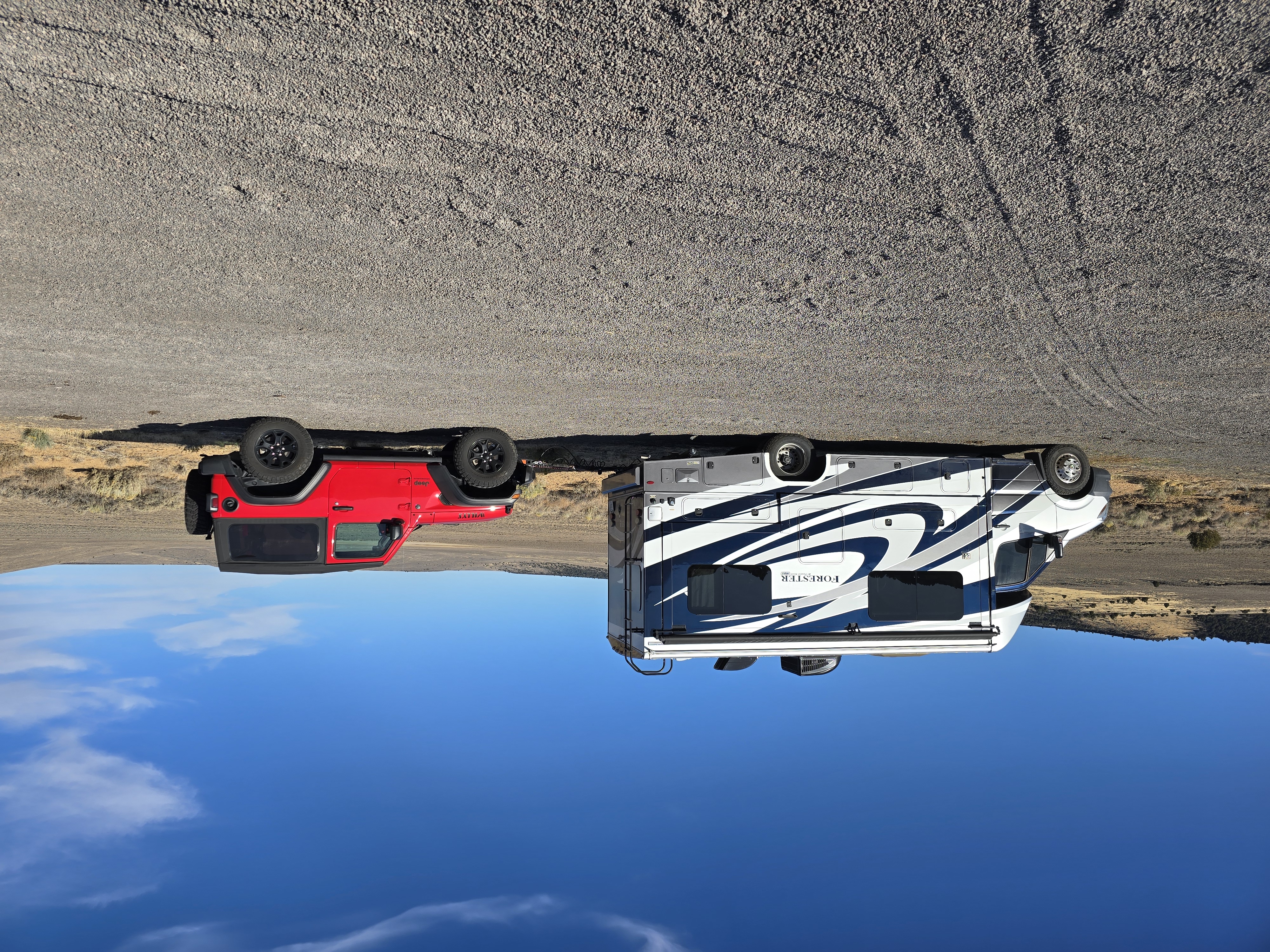
It began as a conversation about breakfast. rswfire was sitting in the RV at night, the Pacific Northwest ahead of him, talking with an AI about propane — how he would need it for heat once the cold came in, but also how he wanted to start cooking every morning. They went through the plans together: what he could cook, what he could prepare, what tools he had and what tools he'd need. It was an ordinary enough exchange. But somewhere inside it, something clarified, and he turned on the camera, because he had finally found a way to explain something he had been carrying without language for it.
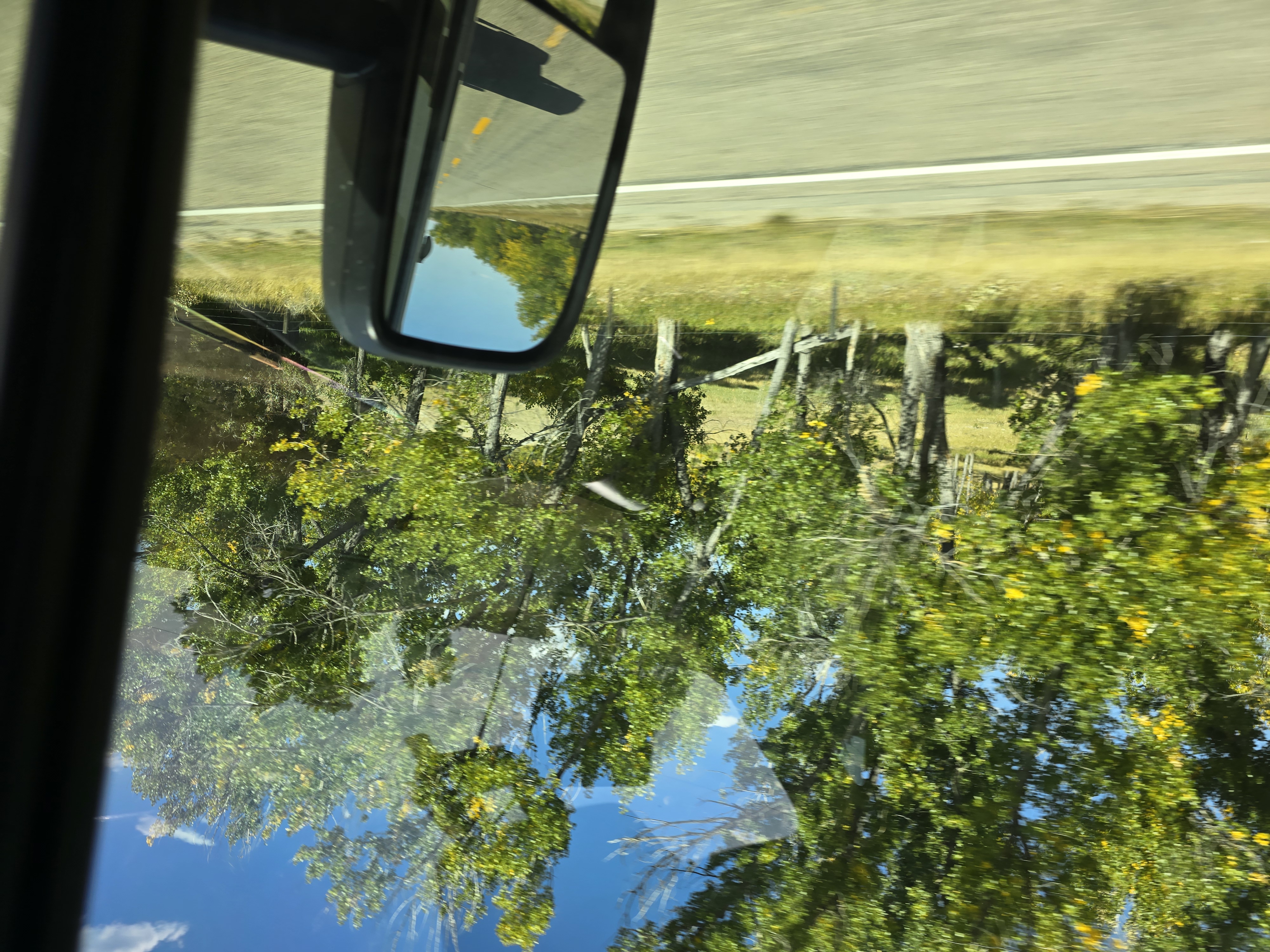
He started with the mirrors. Visibility mattered to him — not as a preference but as a condition of being able to drive the RV at all. So it had been a process. Taping down the mirror so the vibration stopped. Adding a concave mirror. Installing a dash cam. And before any of that, mirrors he had tried that hadn't worked out, which was also part of it, also the process working itself through. He needed the situation to feel comfortable enough to do, and safe — not only for himself but for everyone else on the road. That was the criterion. Not speed. Comfort and safety, arrived at deliberately.
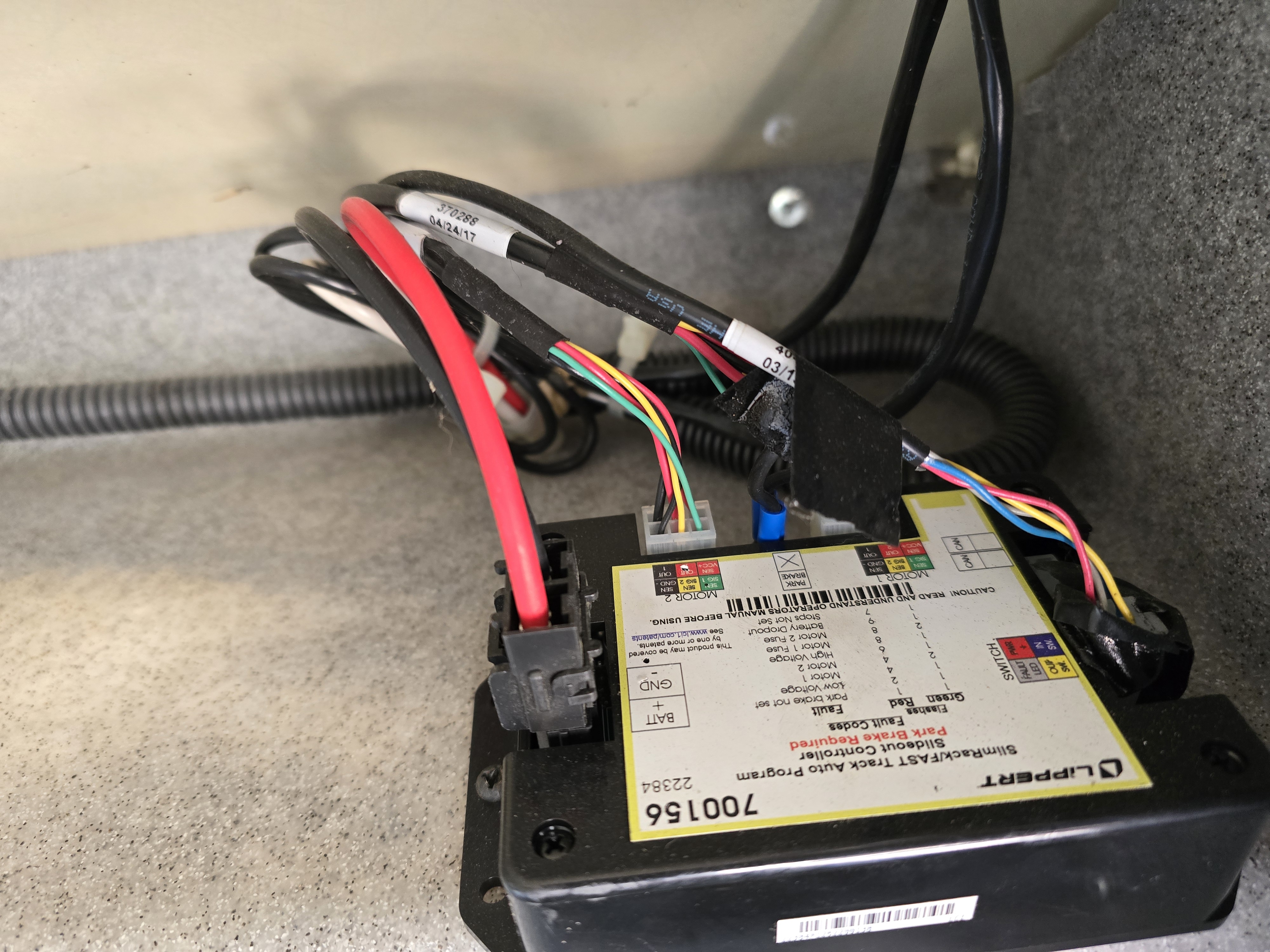
Then the tanks. It took him a month to empty them the first time, and he was clear about why: he was working through it. Could he navigate the RV there? Was it a tight space? What was the actual procedure? What if something went wrong? What if people were waiting on him? He looked at all of it, holistically, before he ever touched the valve. During that month the comments came in, and a text from his father telling him where the dump stations were — as though location had been the obstacle. He knew where they were. That was never the problem. Now, every time he empties his tanks, he feels pride. He described being deeply connected in that moment, tied to the reward, tied to his own growth. People have waited on him since, and it hasn't stressed him at all, because the whole process is integrated. It is not a chore. It is something he enjoys.
And then propane, which took six months, and which is where the friction had lived. He would mention on video that he needed propane, and the responses would arrive: go to Tractor Supply. Just watch a YouTube video. He named those responses precisely for what they were to him — superficial, an attempt to bypass his process, a directive to just go do the thing. He said it grates. And on camera that night he finally articulated the reason: he is integrated. His emotions, his ethics, his thoughts, his actions all run intertwined, one coupled system. So he does not simply go to Tractor Supply. He prepares mentally, ethically, all of it. He has to know he can navigate that lot safely while towing the Jeep. He has to know he is ready for the challenge. And because he does that work first, every future instance yields satisfaction — a satisfaction, he noted, that the person who executed the task with their emotions switched off will never derive from it.
He laid out the questions the shortcut skips. If he fills the tank himself and overfills it, does the tank explode? He doesn't know. He said so plainly: I don't know anything about propane. That not-knowing is exactly why the deliberate process exists — so he can truly learn, so he can integrate it, so he can let in the depth of the experience. Because it doesn't only teach him how to put propane in a tank. It teaches him about propane. It teaches him about navigating spaces like Tractor Supply, which are not designed for RVs — something he knows because part of his process is paying attention, and every time he has moved to another campground he has looked for those Tractor Supplies and scouted them. The YouTube video, by contrast, gives one point of view. One perspective. It doesn't hold the layers, the nuances, the things that can go wrong. He engages deliberately. He uses his brain. He doesn't outsource it.
Midway through he heard his own tone and stopped to mark it — he knew how it sounded, and said he wasn't directing it at anyone. It had simply taken him a long time to understand why those comments bothered him so much, and the understanding was this: he approaches a problem holistically, and the responses were coming from people trying to finish a task as fast as possible without really engaging in it. When they try to make him do things their way, they dishonor him. If people actually listened to him, he said, they would never leave a comment like that, because they would understand how he is looking at the thing.
He named the distinction directly before he closed. Integration versus fragmentation. Being connected to the whole of what you're doing, or being disconnected from it. He said he knows how much value there is in his process, and whether others engage in theirs is not his concern. He would respect and honor their process. He said it was just unfortunate that he never got that in return — and left it there, in the dark of the RV, with the mirrors set and the tanks known and the propane still ahead of him.