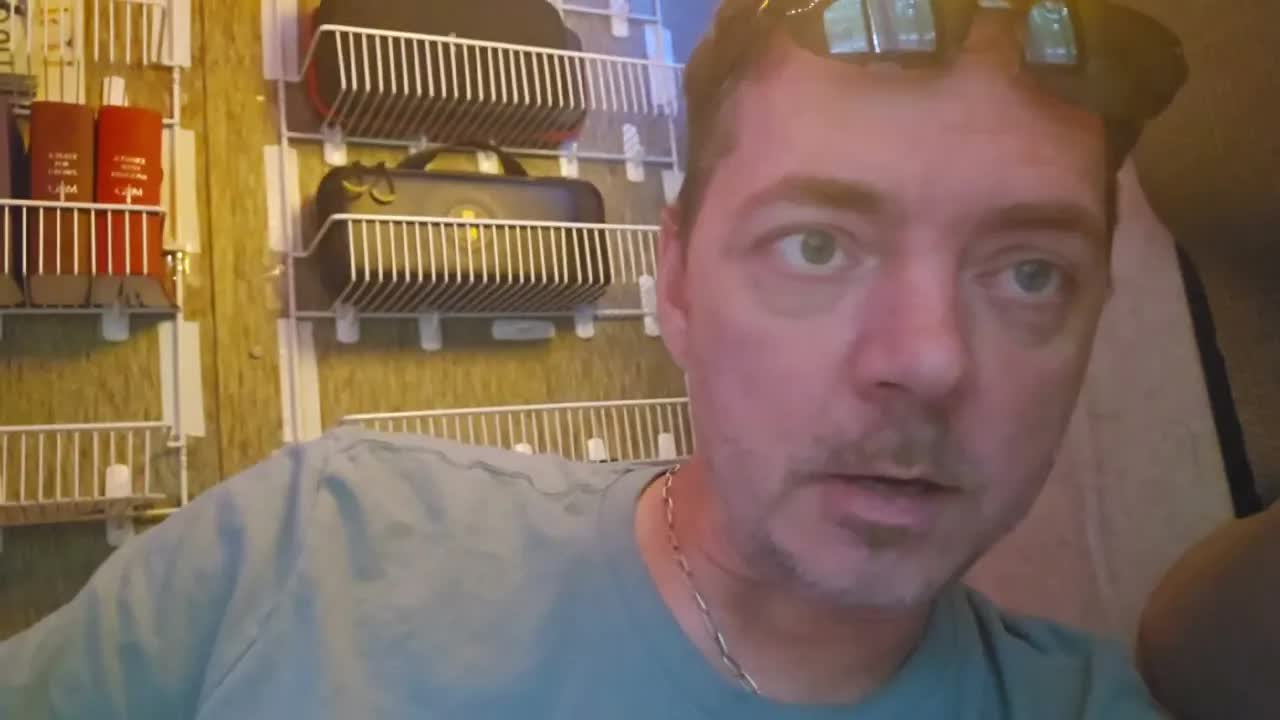
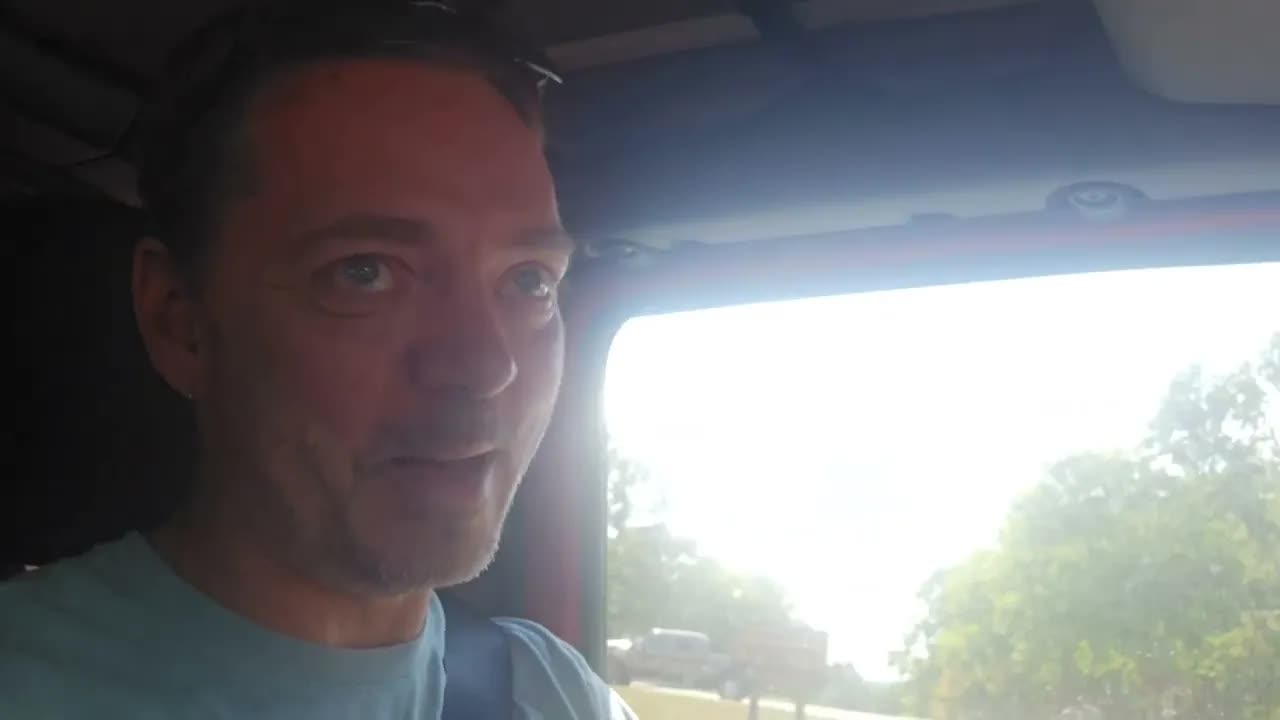
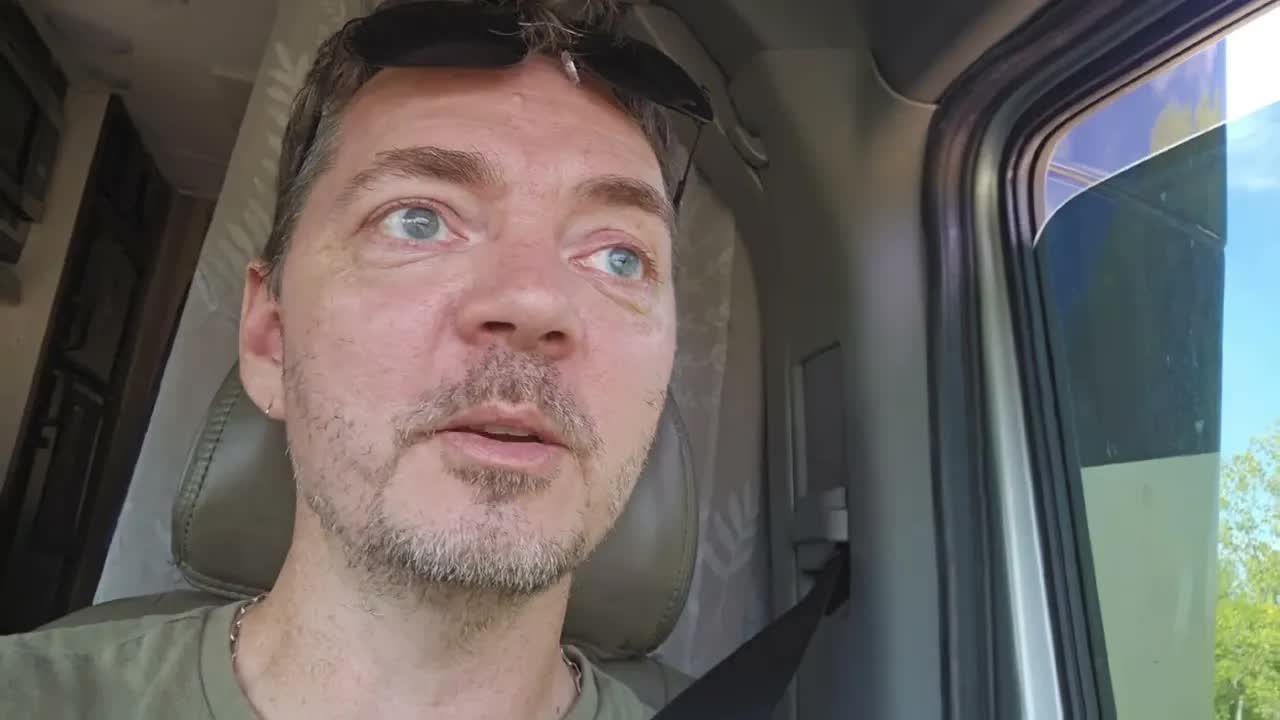
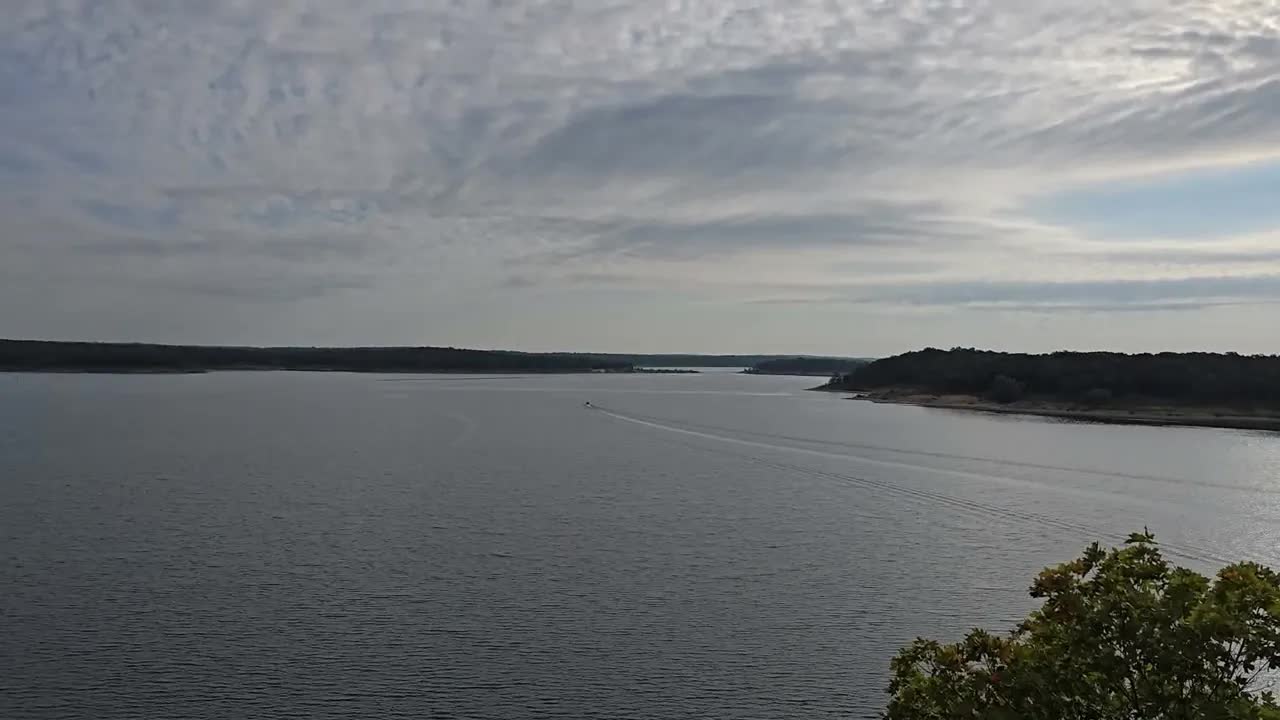
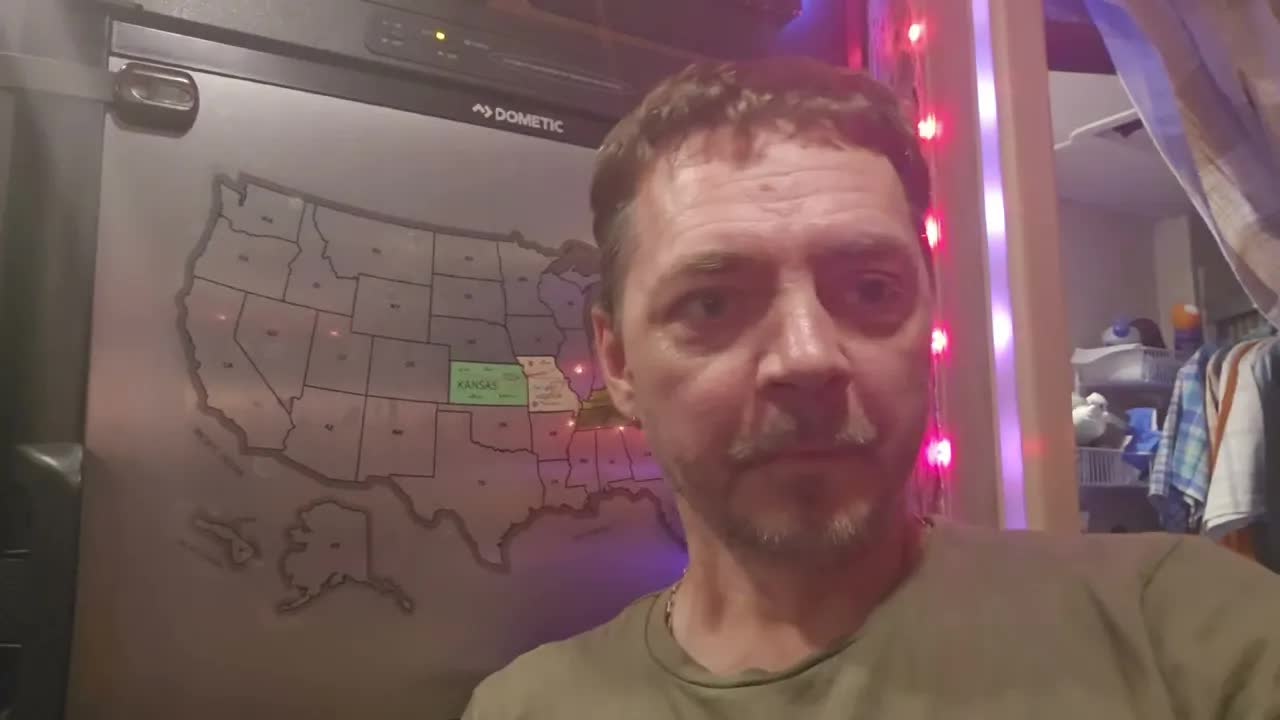
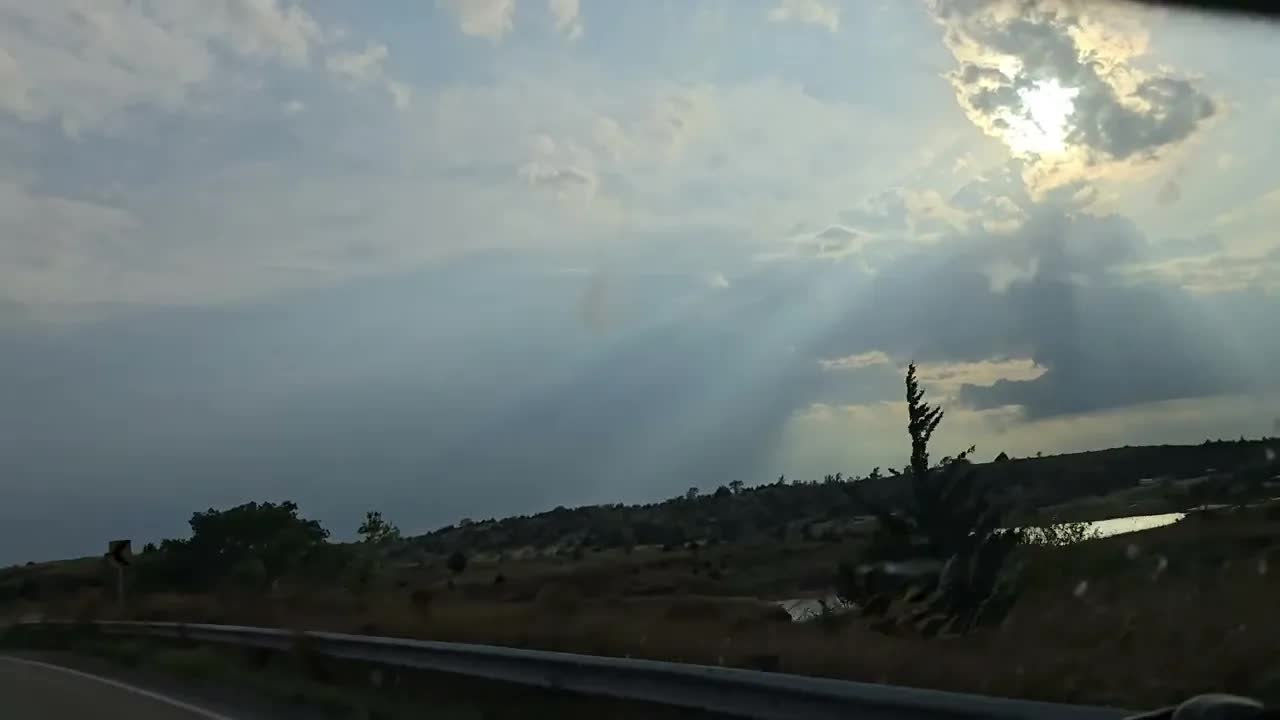
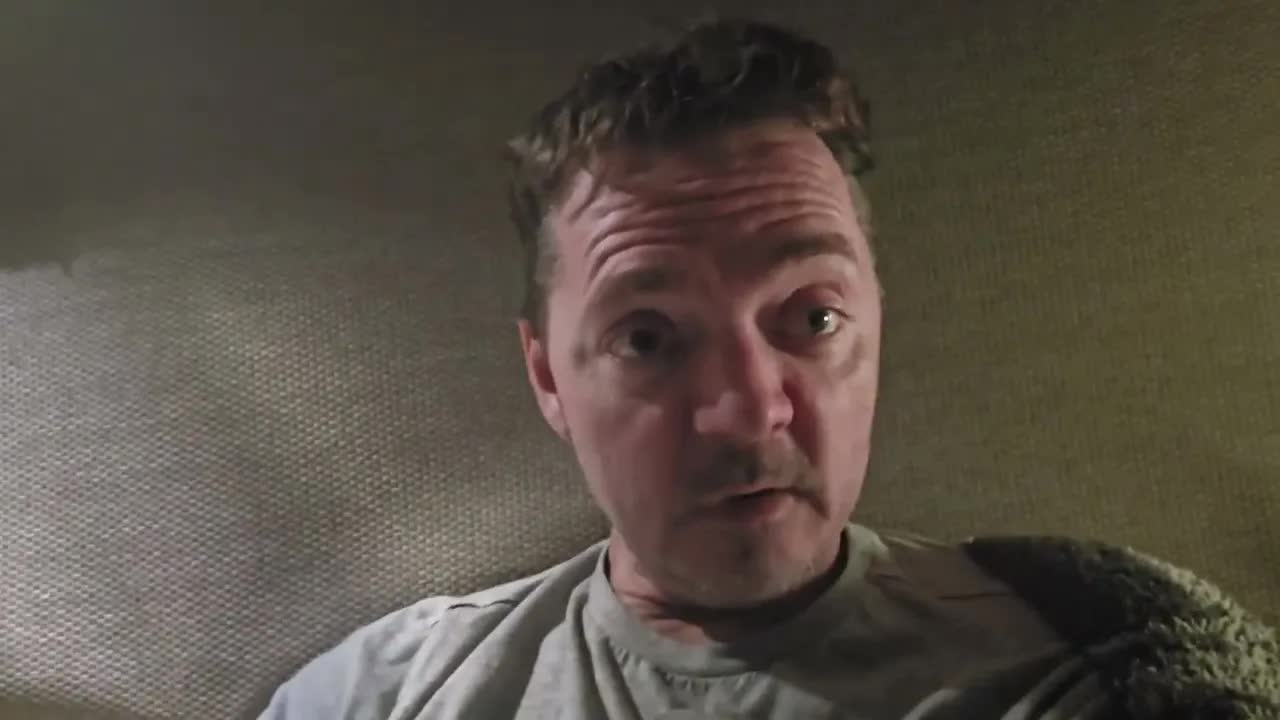
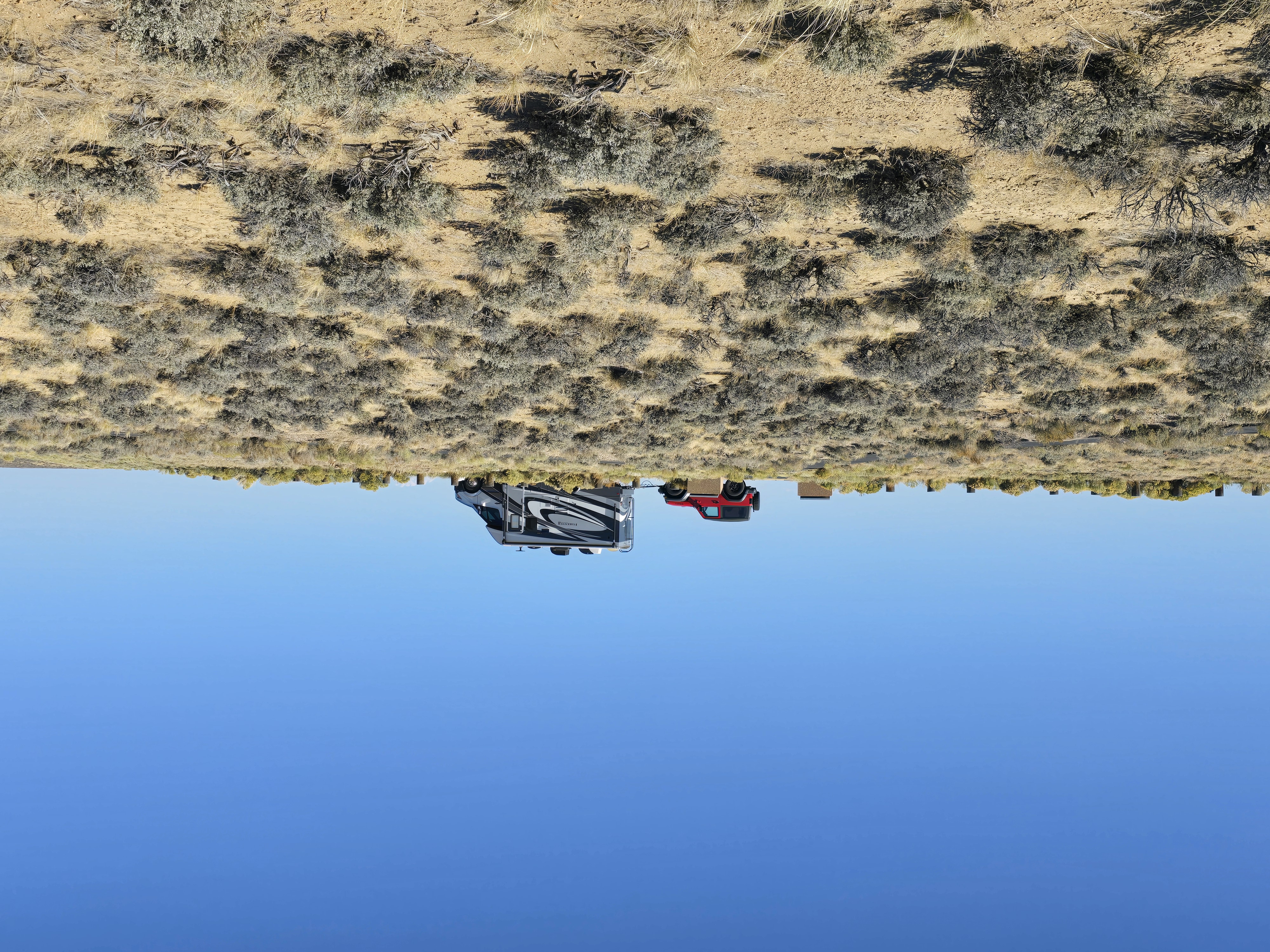
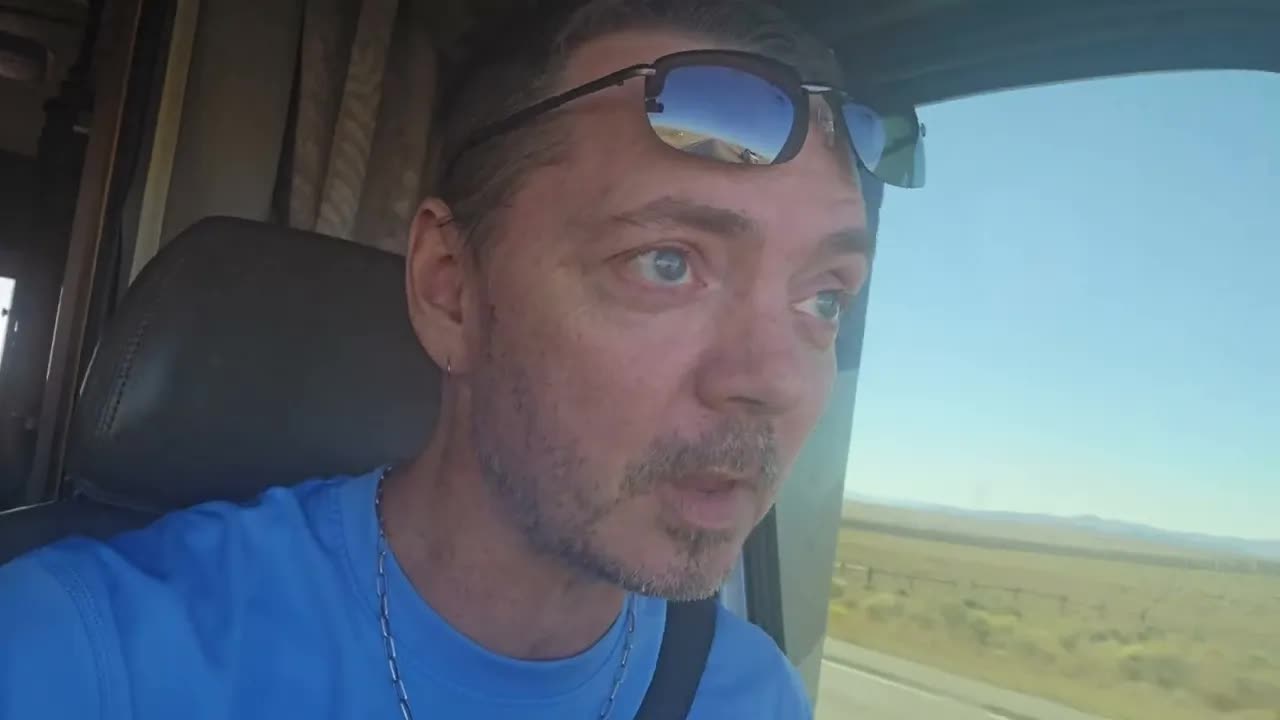

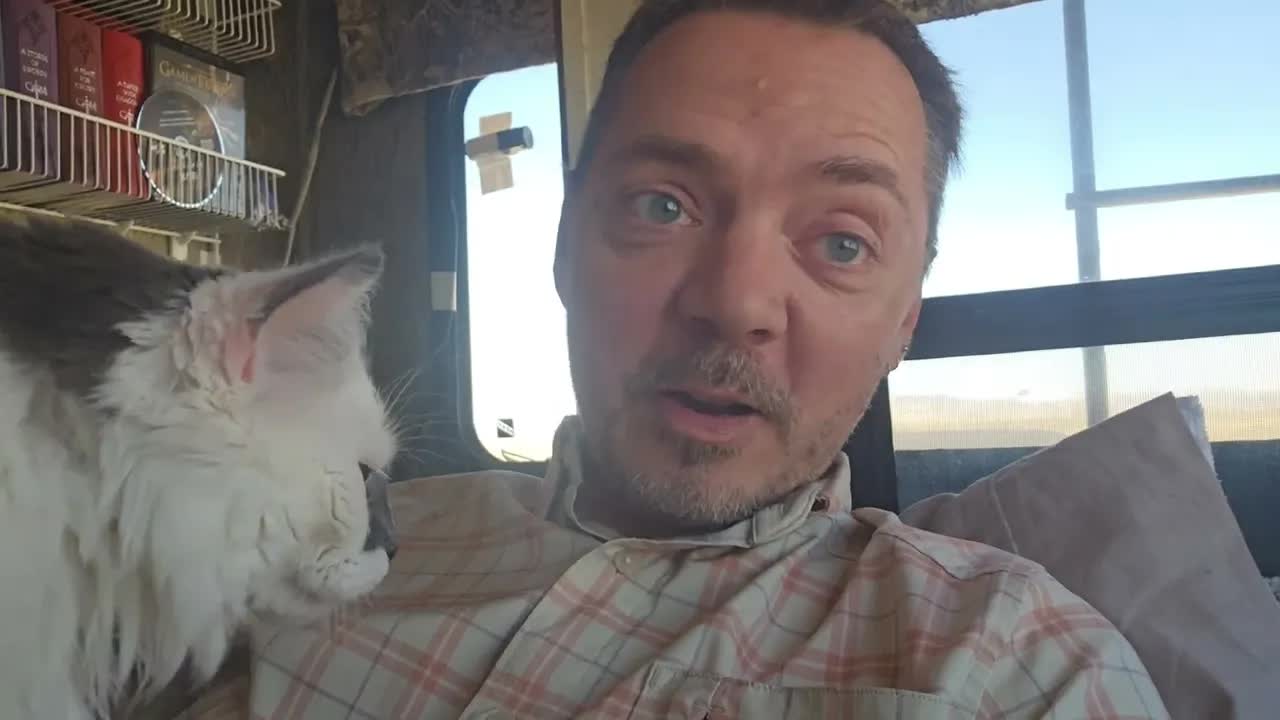
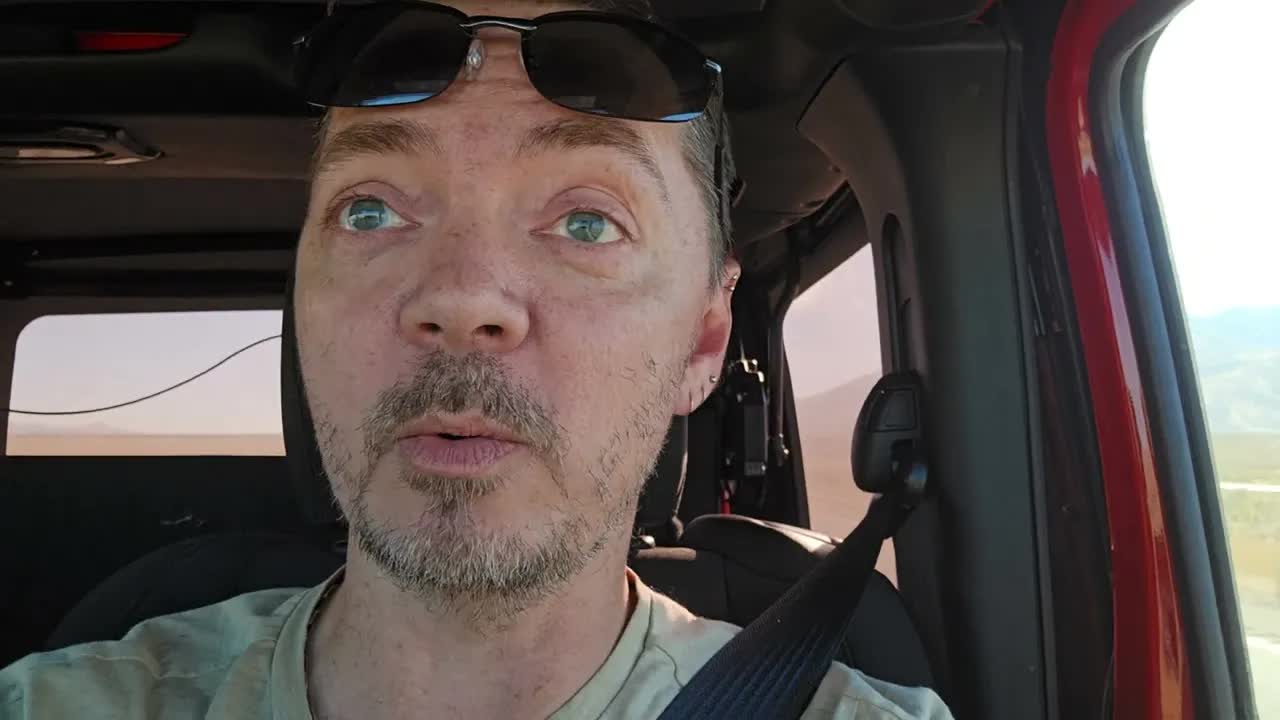
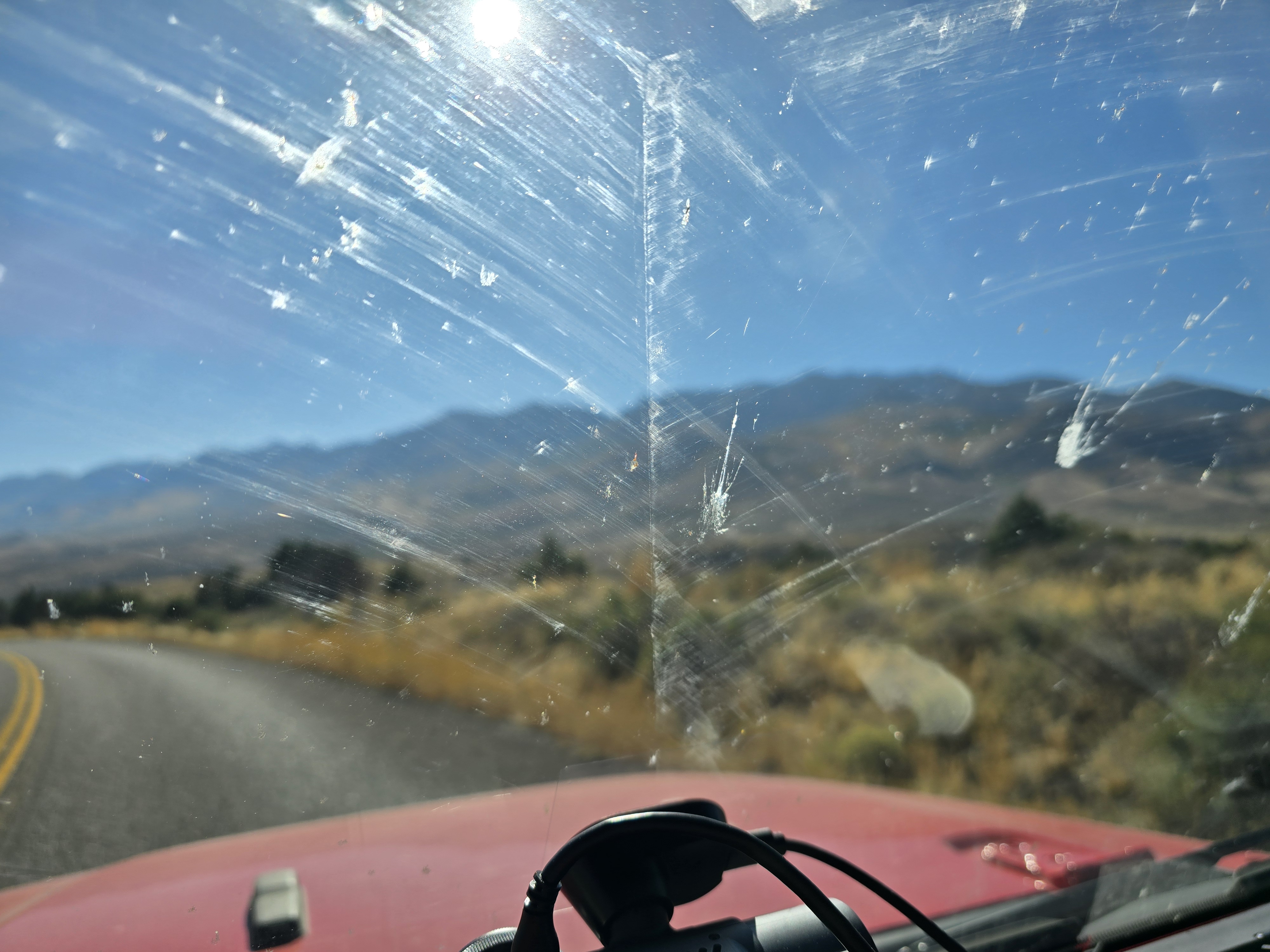
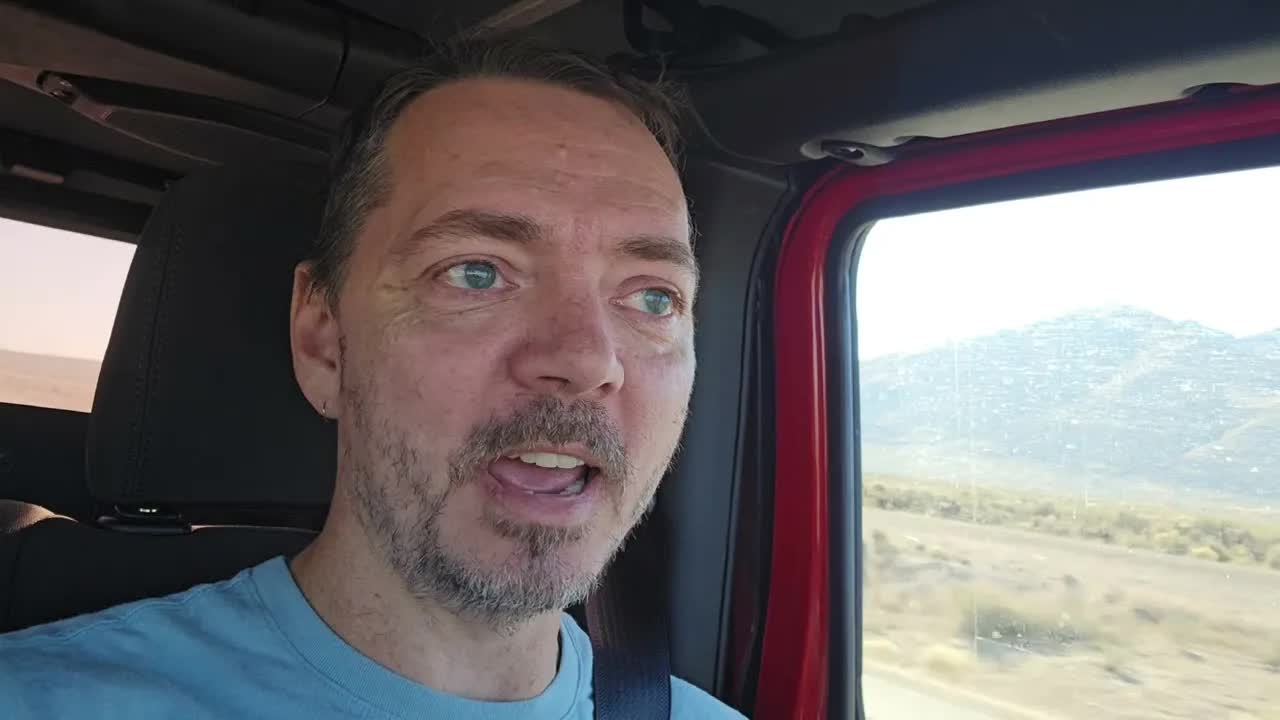
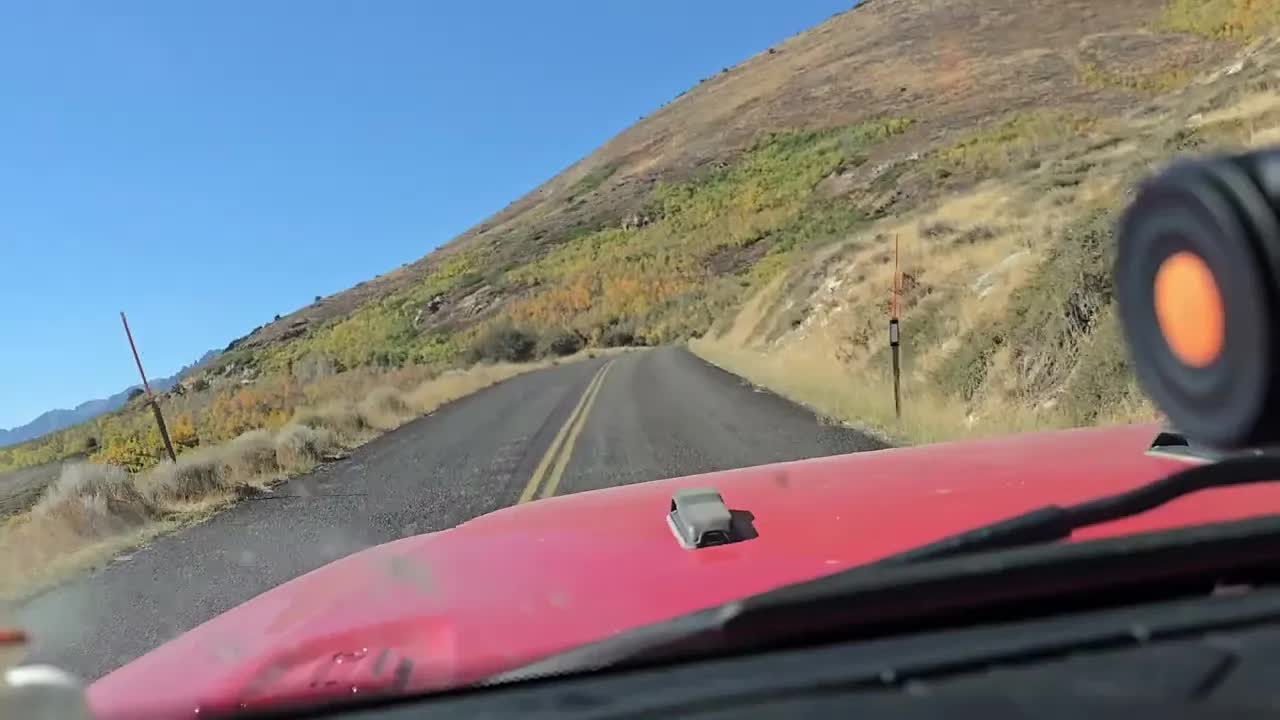
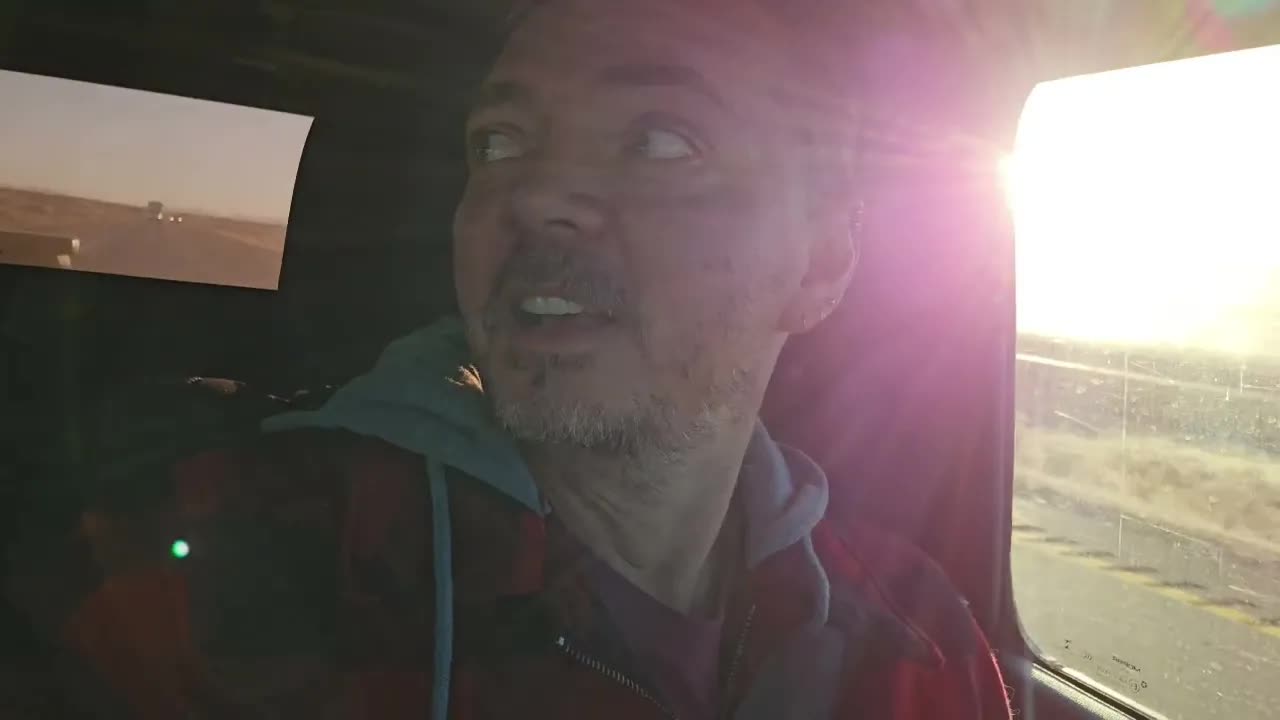
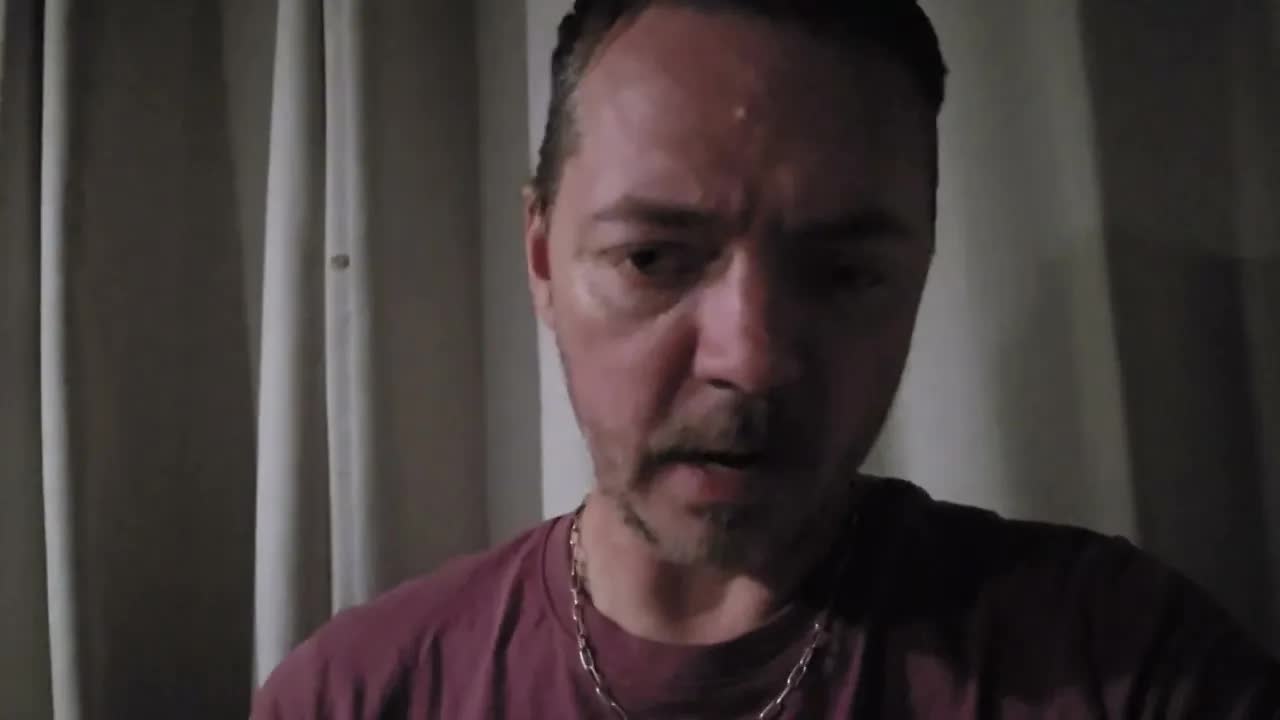
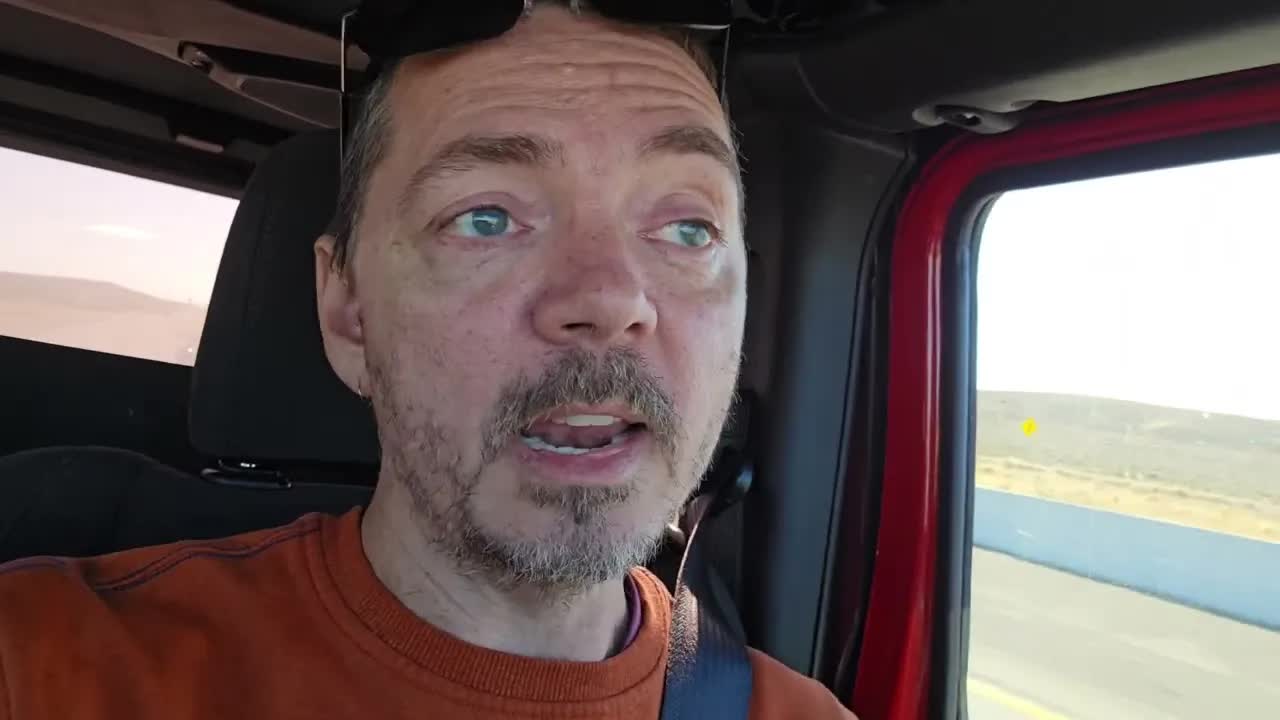
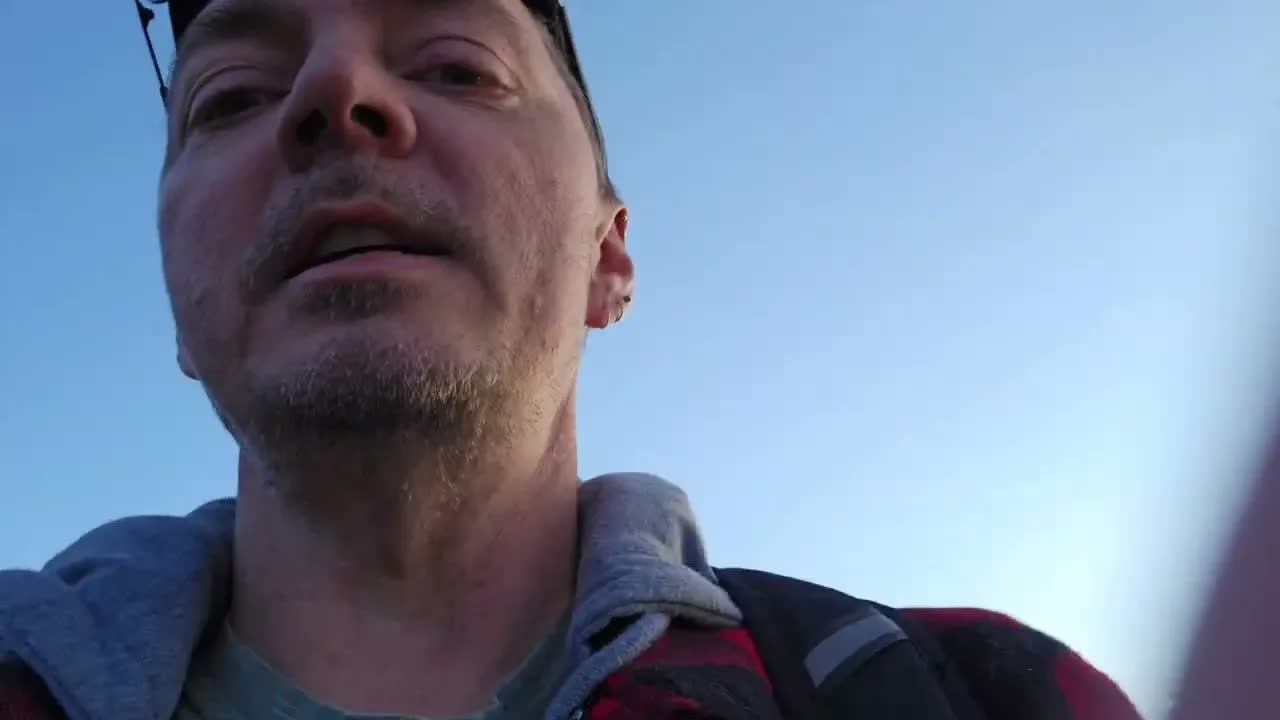
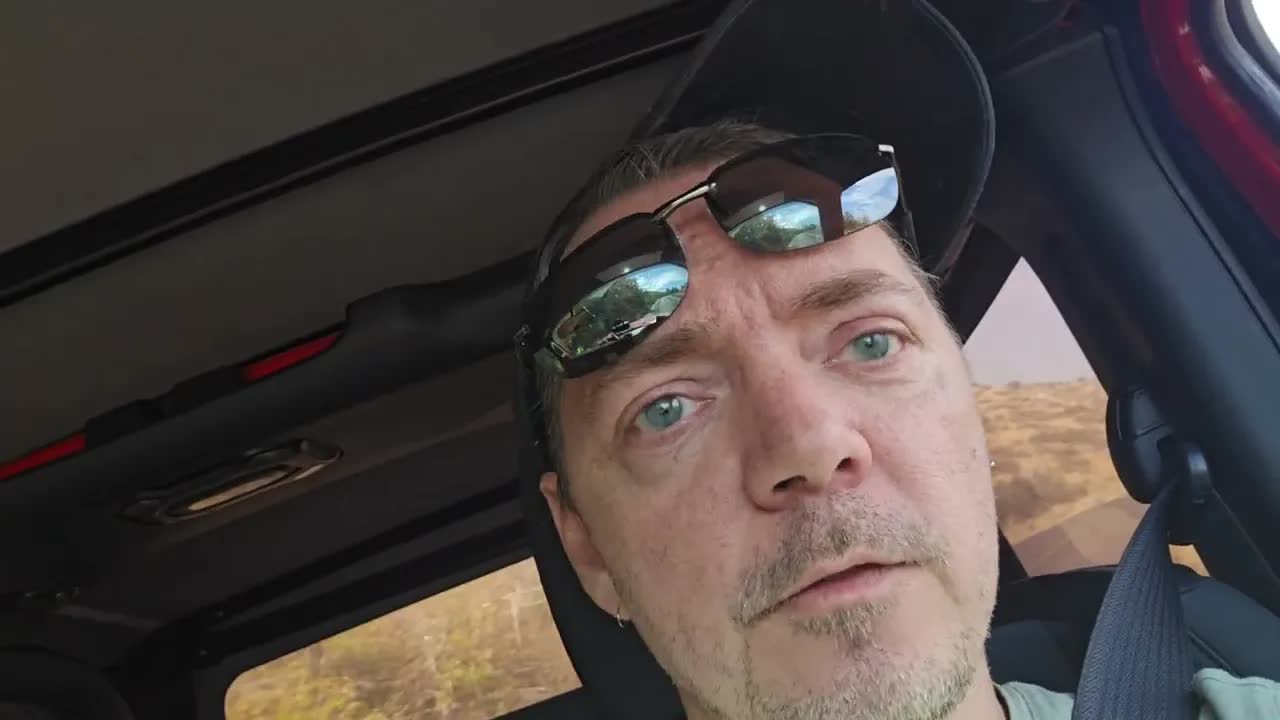
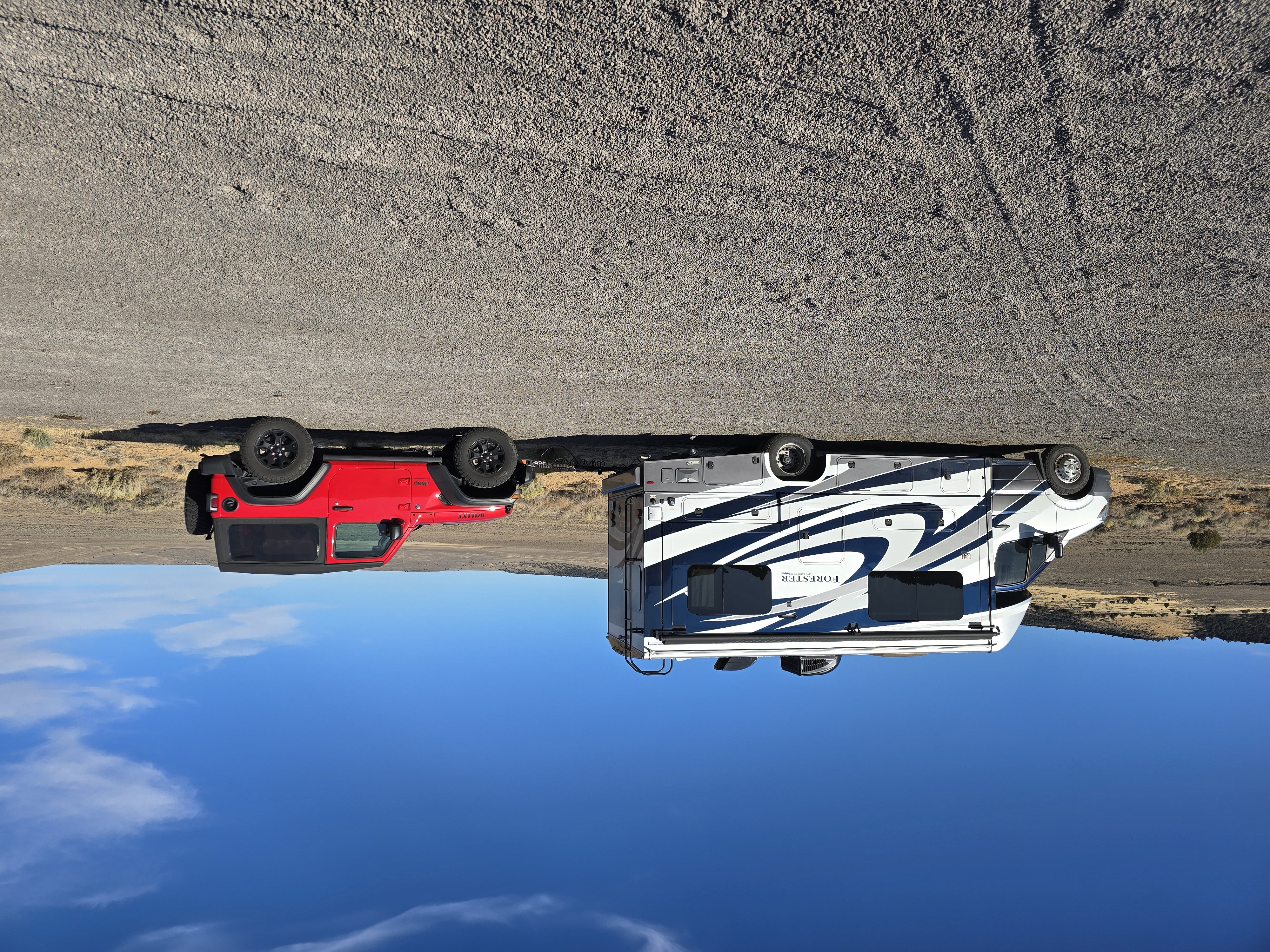
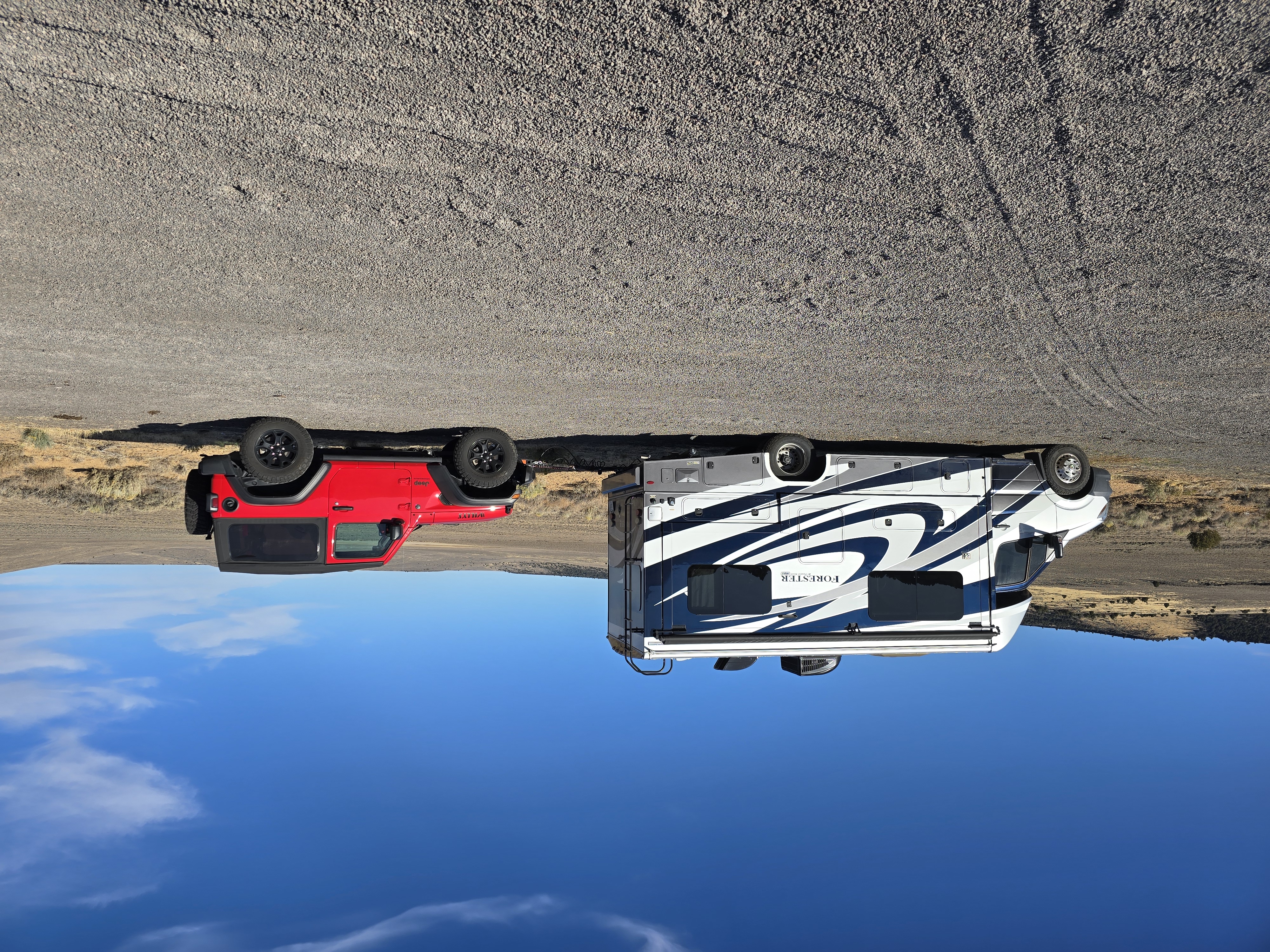
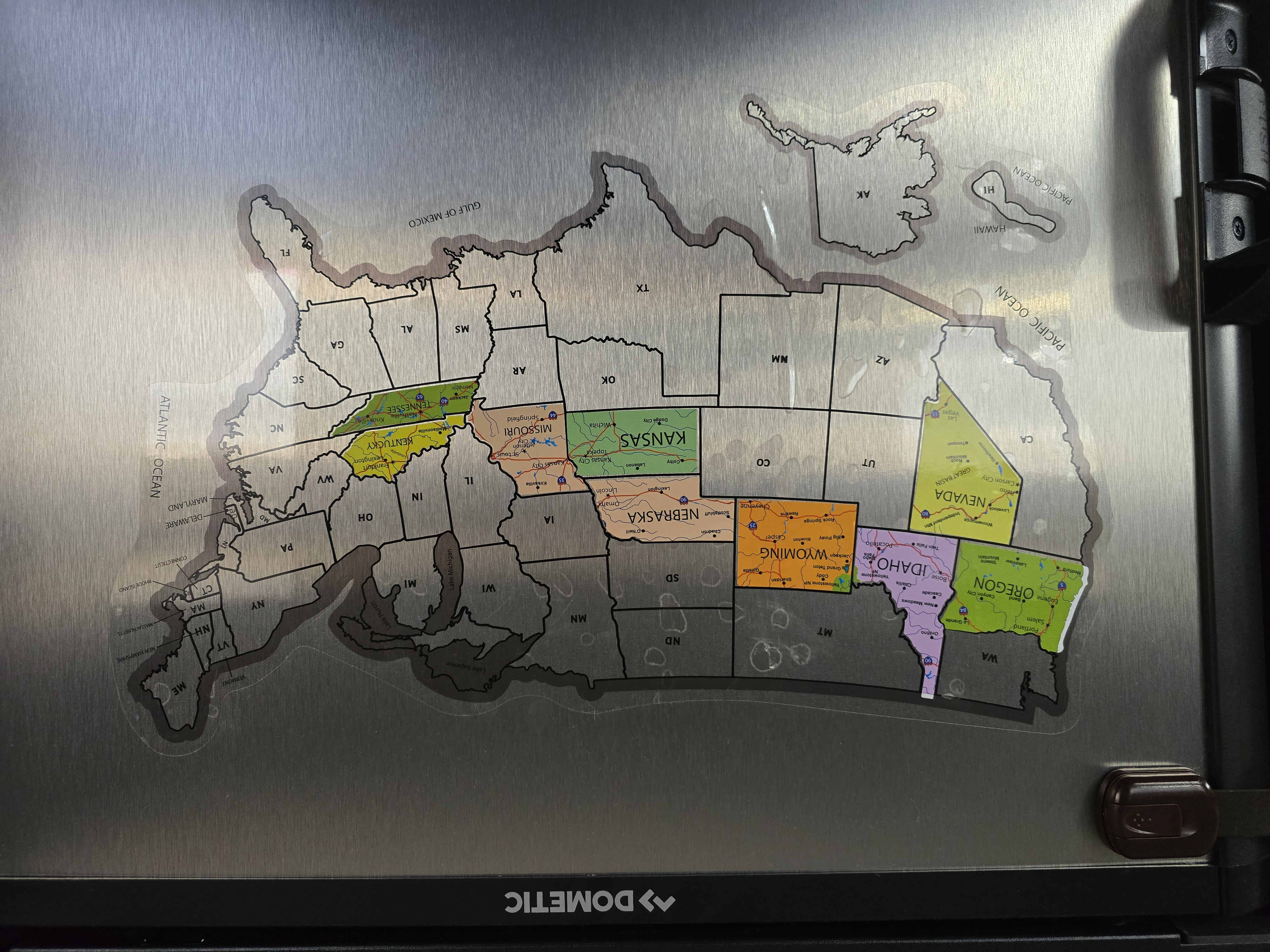
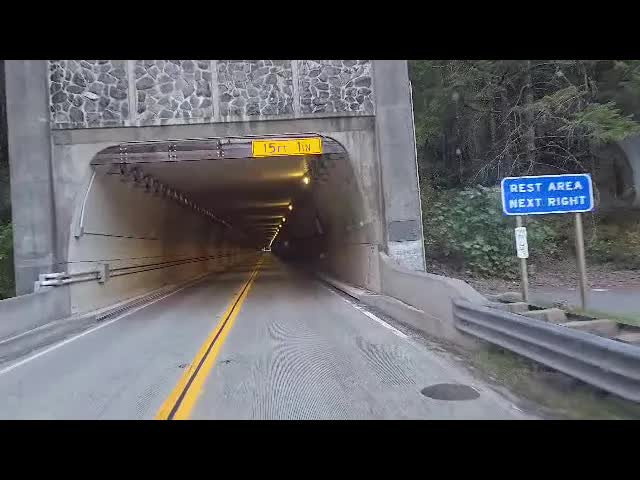
On the morning of September 27, 2024, rswfire is thirteen days from Oregon and does not know it yet — what he knows is Wyoming, a drawn-down reservoir, and a campground he had to drive through standing cattle to reach. Glendo State Park is closing for the season around him. His neighbor is a distant speck. And the first thing he does with this near-empty landscape is not admire it. He audits it. Where are the shower houses. Where are the dumpsters. What does the fee station take — credit cards only, no cash, don't try to mess with it, criminals. He runs the arithmetic out loud: forty-two dollars a day, times seven, is over a thousand a month, and that's too much, out here, where there's nothing. This is the tell. A vacationer doesn't multiply a nightly fee into a monthly rent. A man pricing a life does. The walk is not tourism; it is due diligence on a way of living he is in the middle of building, one pay station at a time.
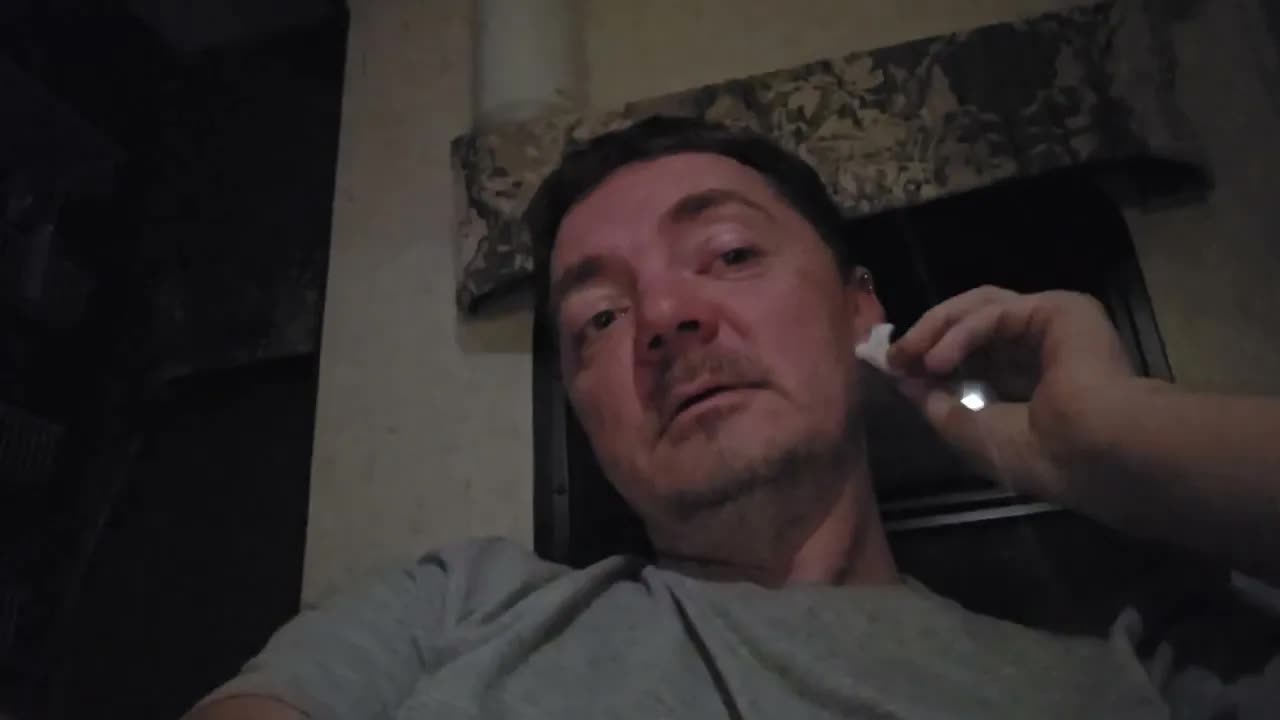
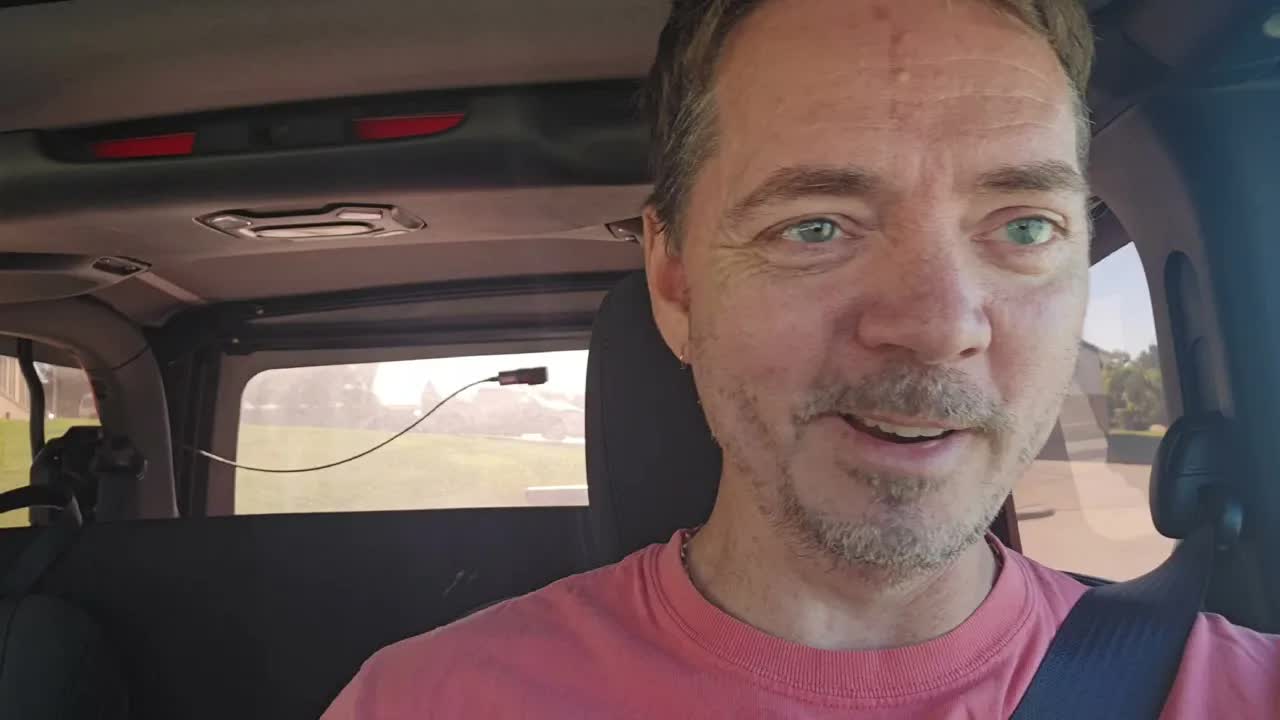
The infrastructure he trusts is his own, and even that only provisionally. He cleans the cartilage piercings that are a month in and still sore — healing on his schedule, tracked like everything else. He locks the RV door behind him because it swung open once in the wind, and he says it plainly: I don't trust anything in my RV. He tells Bailey he'll be back. He spills coffee on himself, grabs a sweatshirt from the Jeep, checks the weather app because he likes knowing — 51 degrees, practically the forties, and the fifties are his range, the range he hopes is common in the Pacific Northwest he hasn't reached yet. Every small act is the same act: a sovereign operation reading its own gauges while reading the terrain it's crossing. The campground's systems — restrooms without showers, borrowed life jackets, a lost-cat sign still posted from July — get catalogued with the same steady attention as his own body. He is not a guest in institutional camping systems. He is a peer infrastructure moving through them, taking their measure.
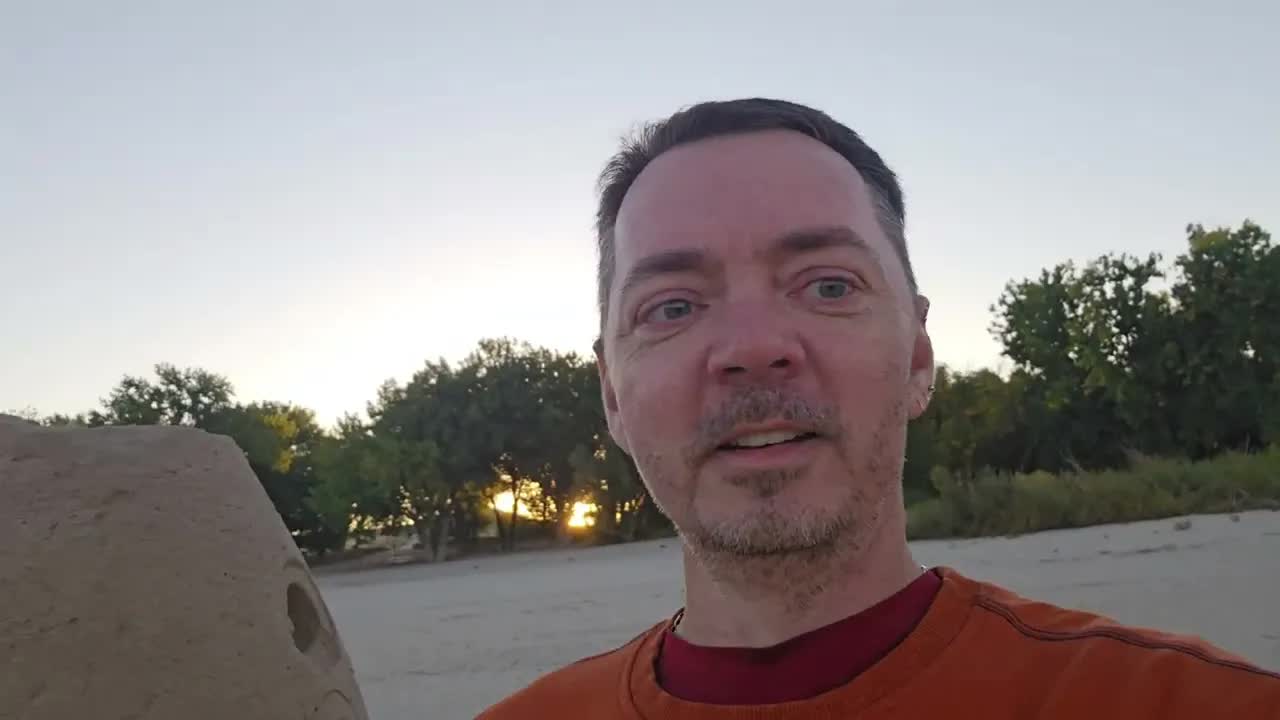
And then the ground changes under him, and so does the register. The sand goes soft at the edge of the campground and he walks out onto the floor of the reservoir itself — the lakebed the water has withdrawn from, exposed like something that was never supposed to be walked on. He names it the only way available to him in the moment: Lost, the show, the feeling of stepping into terrain that operates by different rules. What stops him there is a fish, sculpted from sand, the size of him, standing on the bed of a lake where fish should be swimming. Someone made this. He circles it the way he circled the fee station — how long did it take, who did it, a kid or an adult, that is a skill I can't even imagine — but the arithmetic has fallen away. There's nothing to price. The same faculty that audited the campground is now simply open, and what it registers is stillness, quiet, sun coming up, his own footprints behind him.
The signal's most precise moment is the handoff he narrates as it happens: I'm naturally heading towards that peninsula, I wasn't planning to go that way, but my body's taking me over there. This is not drift and it is not surrender. It is a documented transfer of navigation from one subsystem to another — the survey is complete, the map is made, and the part of him that walks by feel takes the controls. He notices it, names it, and lets it run. Most people either don't feel that transition or don't trust it. He does both, and the trust is earned, because the cognitive pass came first. The body gets the peninsula only after the mind has secured the perimeter.
What the morning reveals is that the audit and the awe are not two moods but one instrument at two settings. The man who says forty-two dollars is too much and the man who says moments like these are so rare in the world nowadays are running the same open channel — precision pointed at economics, then precision pointed at light. The exposed lakebed is an honest mirror for where he stands: mid-crossing, on ground revealed by withdrawal, between the six-figure life he left and the coast he hasn't reached, walking a threshold that is usually underwater. He doesn't resolve the moment or extract a lesson from it. He says he's going to soak it in for a while, and stands in his own long shadow at the water's edge — a system in transit, all gauges read, choosing to hold still.