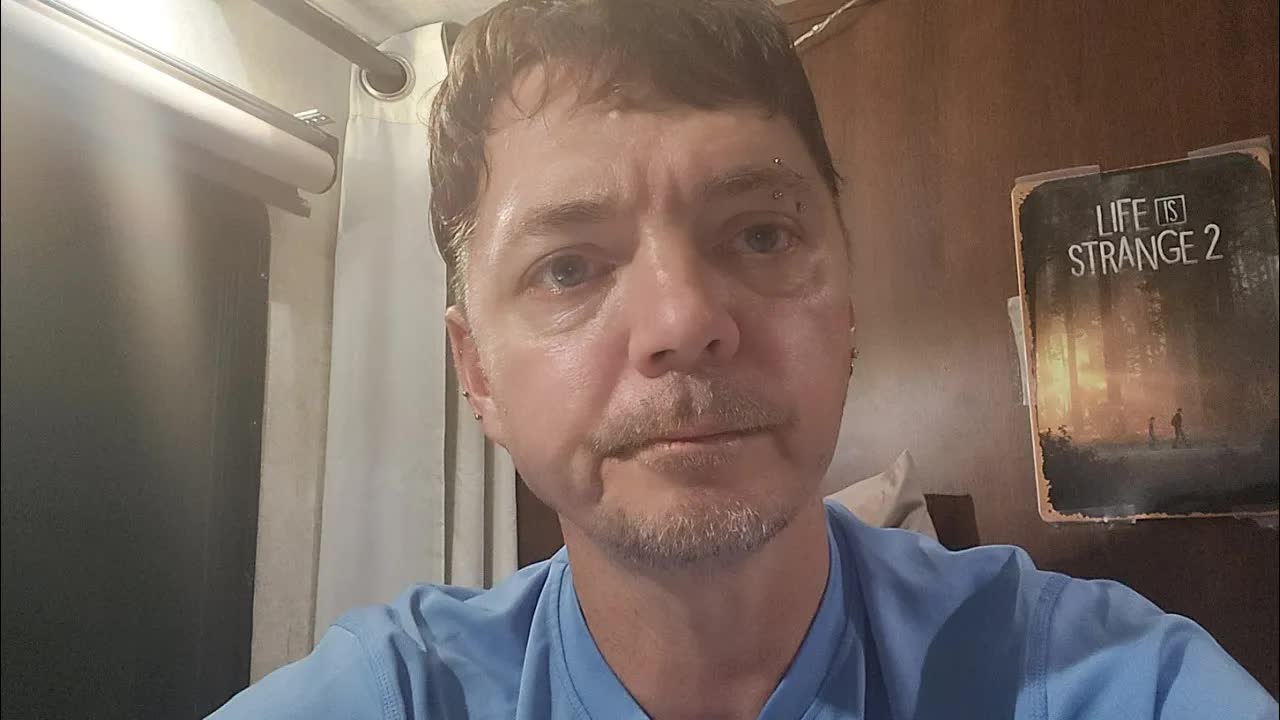
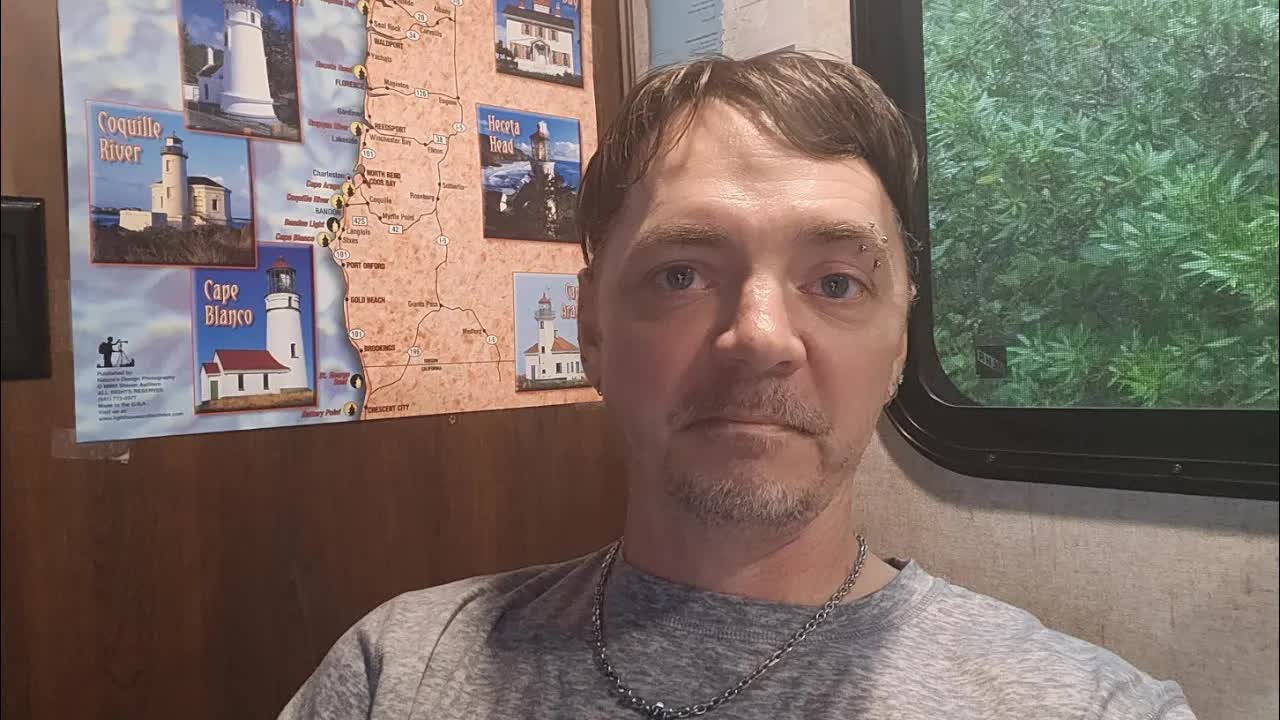
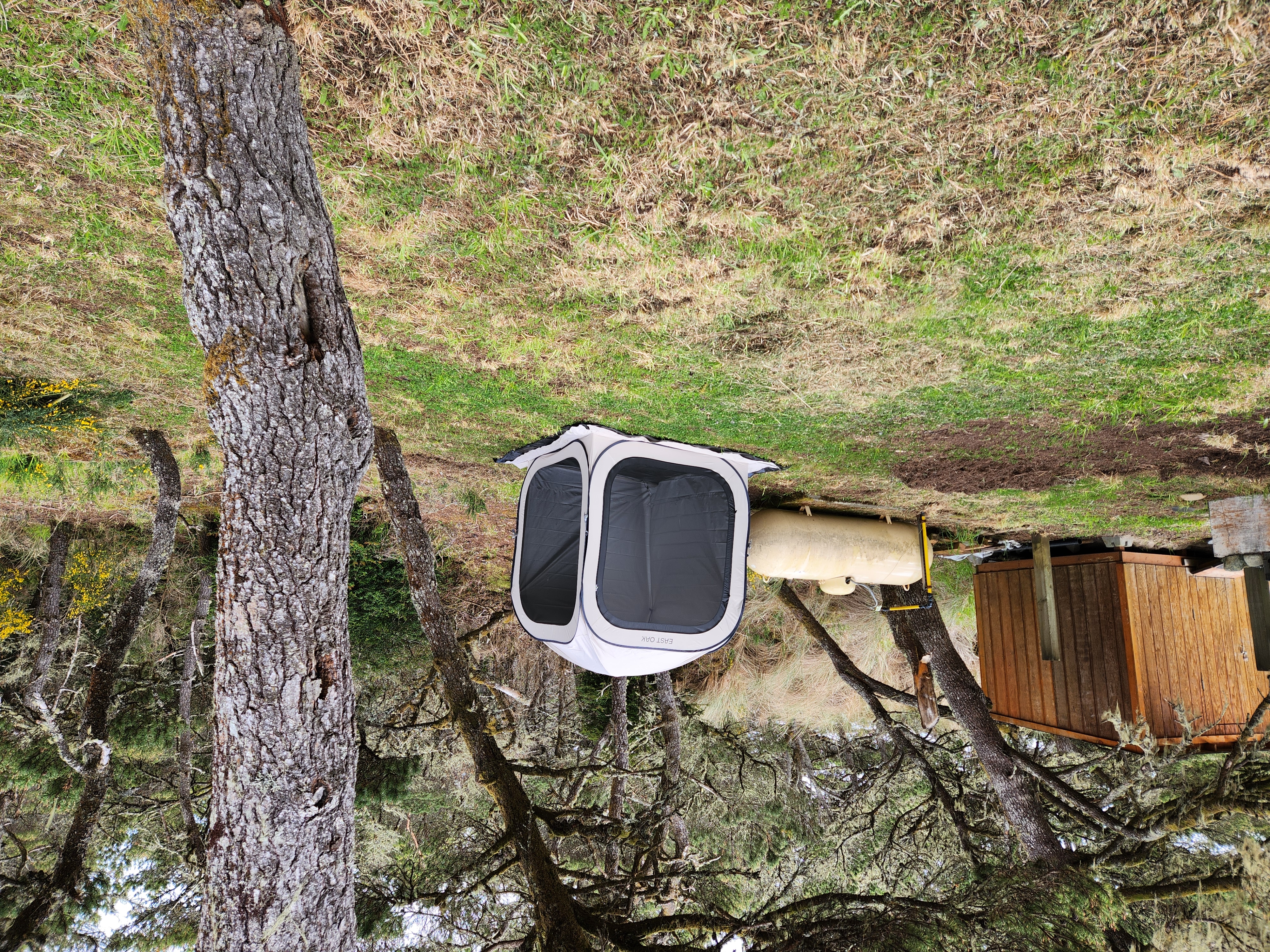
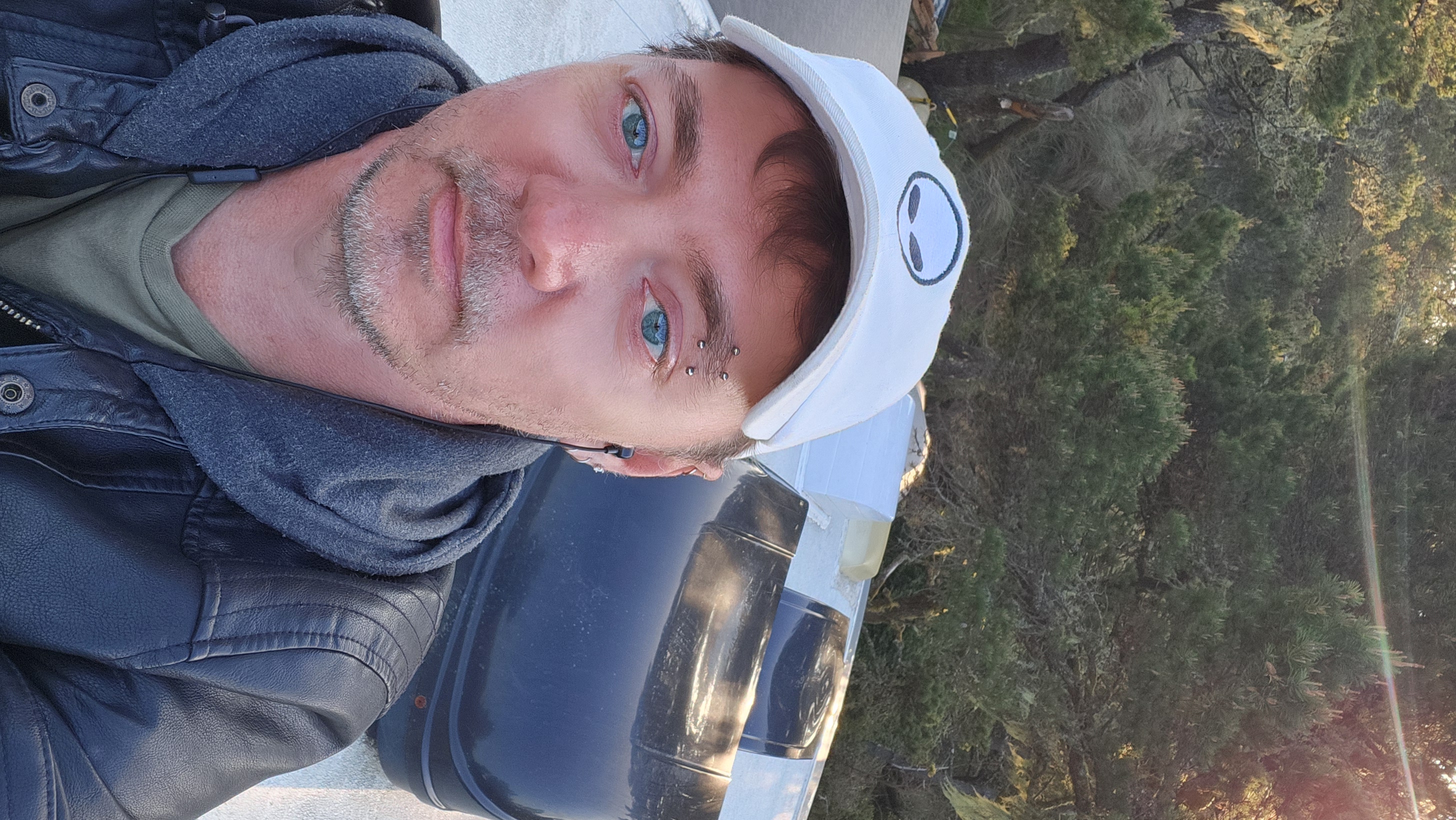
Introducing Himself and Career History from the Dunes

Failed to load video
Chapters
Transcript
[0:00] Hi everyone, I'm Sam. There are a number
[0:03] of ways you might encounter this video.
[0:04] So, I'm going to skip the greetings.
[0:06] We're going to go straight to the
[0:07] introduction. But let me start by saying
[0:10] that you're not going to get a
[0:11] performance for me. I have no script for
[0:14] you. I have an intention and I'll walk
[0:17] you through
[0:20] it. But I'm not here to talk at a speed
[0:23] that's unnatural, to make edits, to make
[0:26] myself sound more smooth. I'm here to
[0:29] show you the real me cuz the real me is
[0:32] spectacular, extraordinary, and I know
[0:35] it. I'm not ashamed to say it. I'm not
[0:38] here to perform for you. I'm here to
[0:41] introduce
[0:42] myself. So, let me start with the
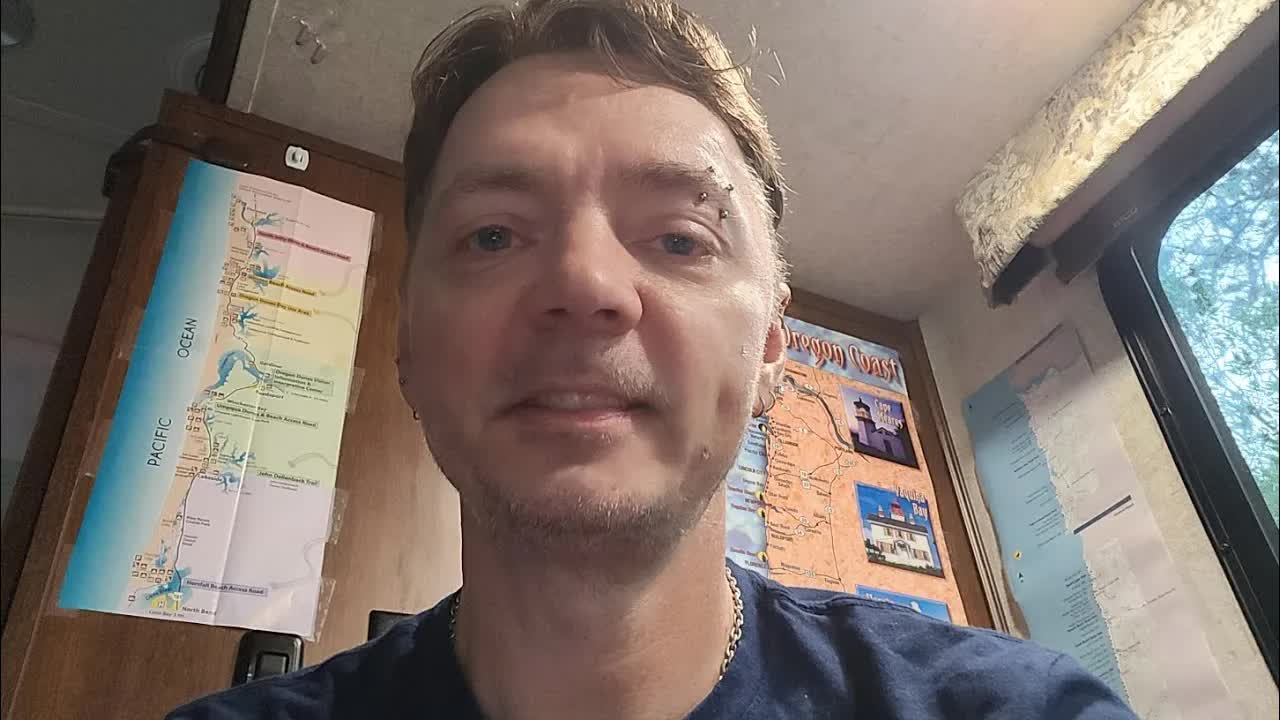
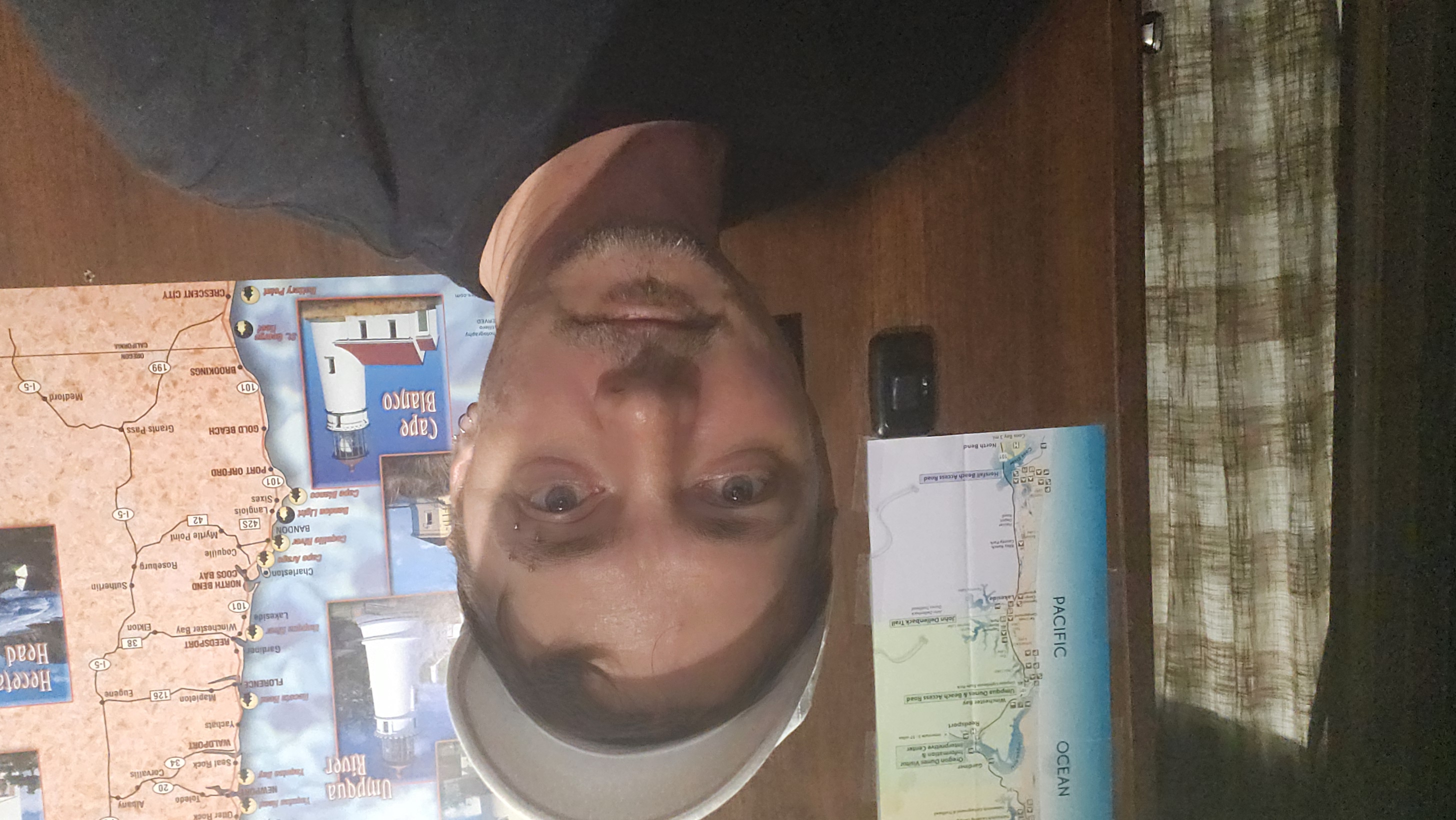
[0:45] setting. I am sitting in my bed right
[0:48] now with my laptop in front of me in an
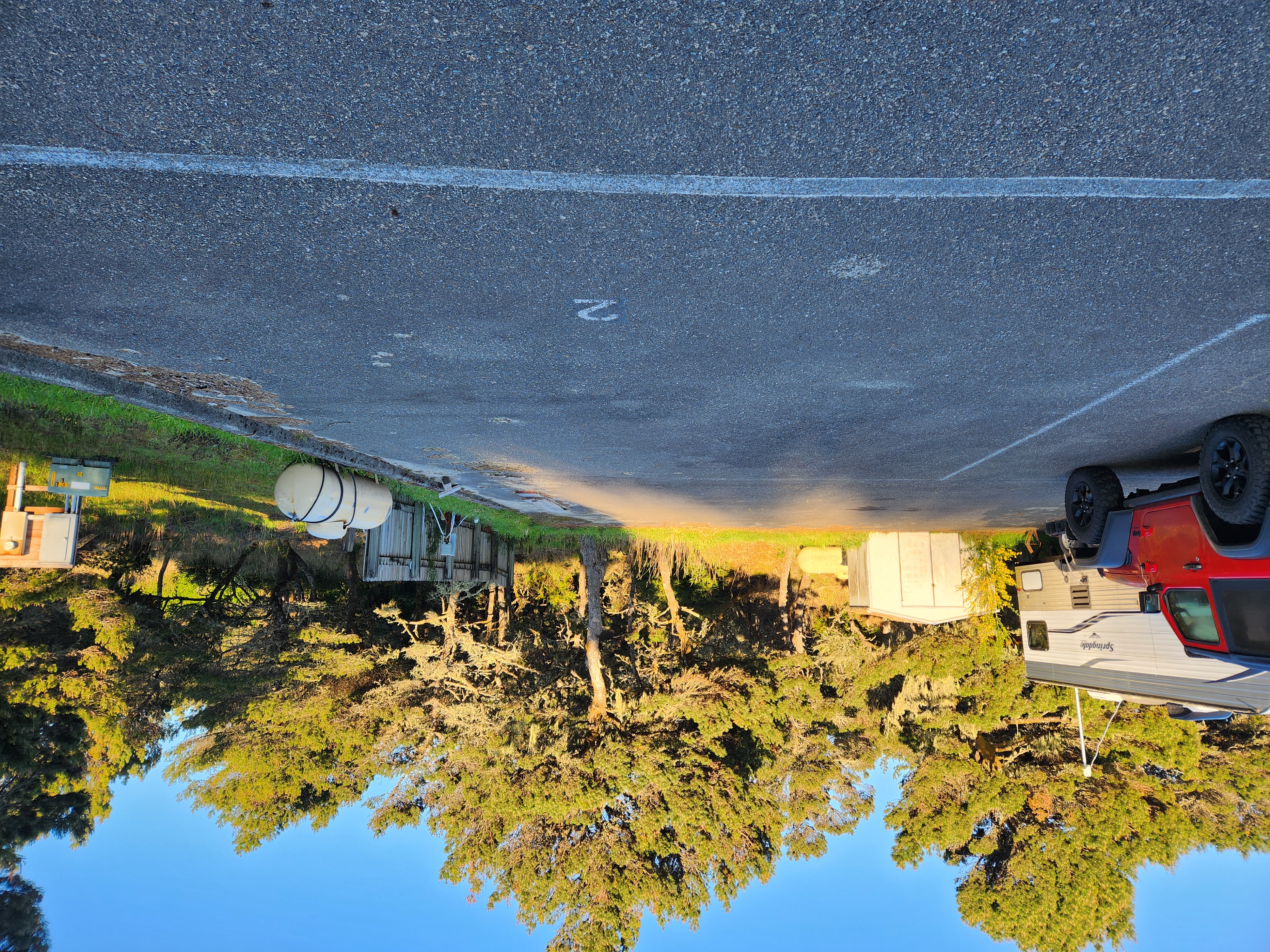
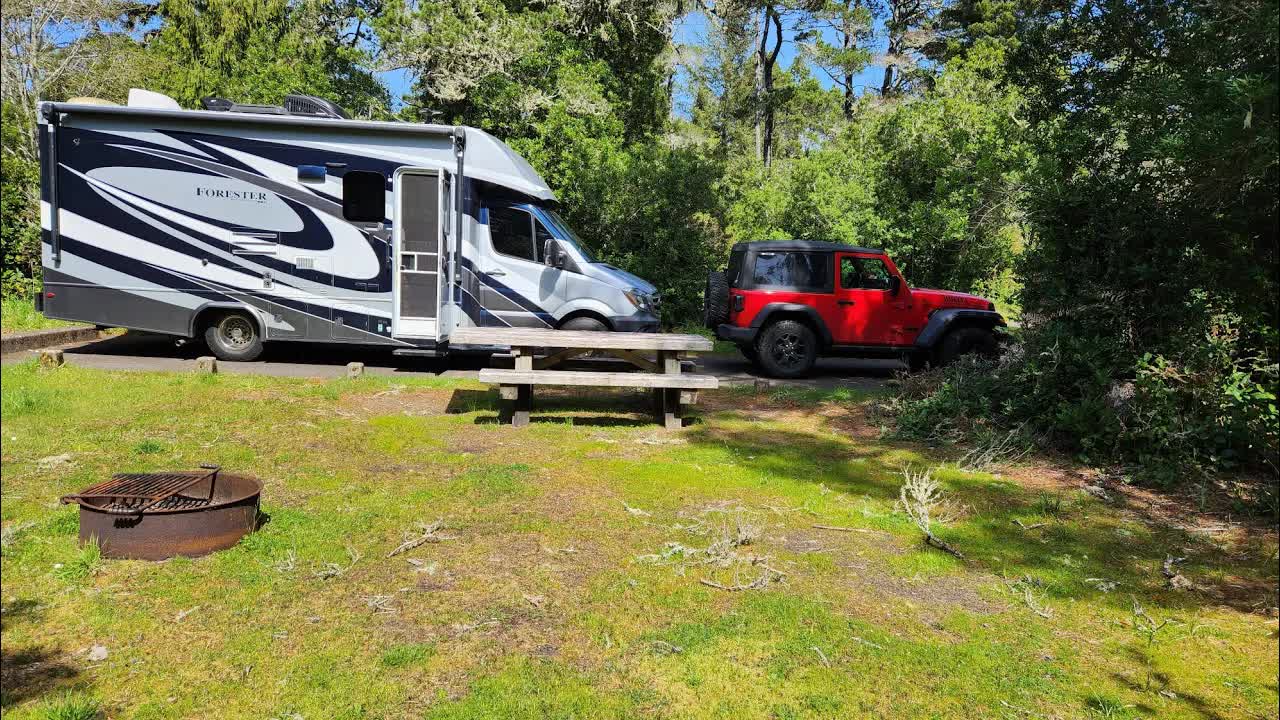
[0:51] RV on an off-grid campground where
[0:54] there's no water or power. powering my
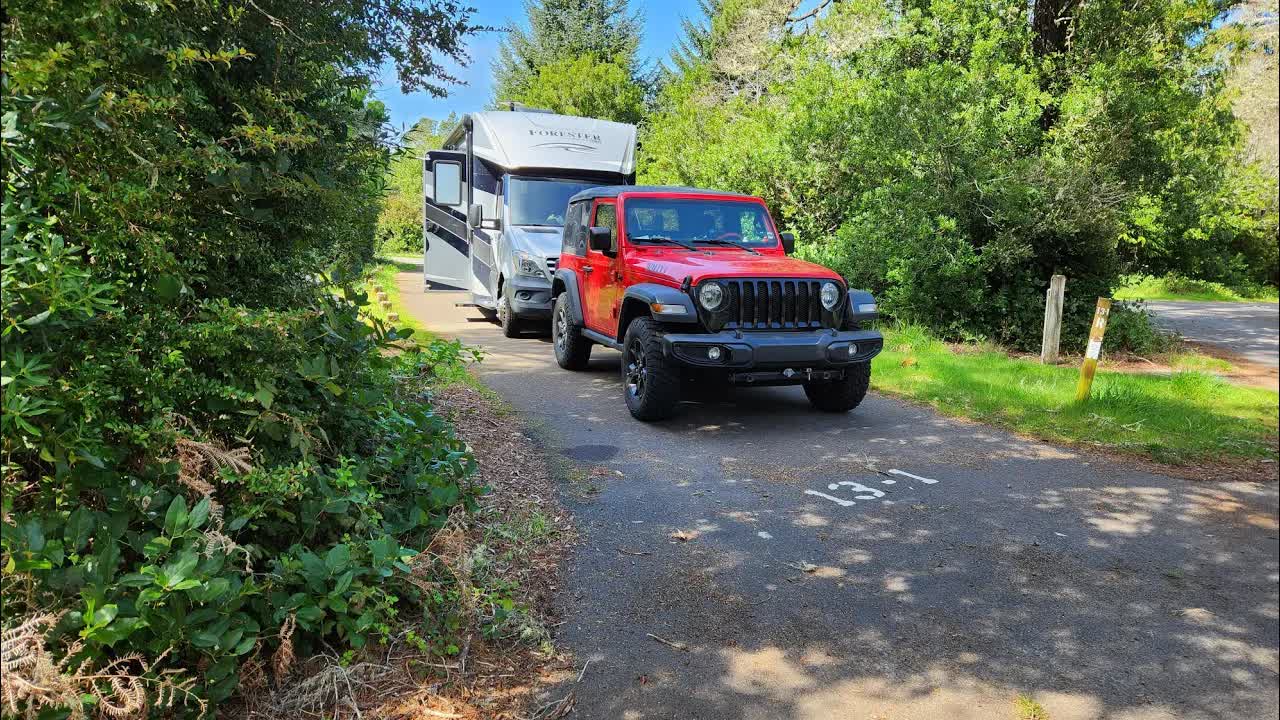
[0:56] setup using my Jeep connected to an
[0:58] inverter using jumper cables. That's the
[1:01] extent of my power right now. But it's
[1:03] enough. It's enough to power my
[1:05] internet. It's enough to power my
[1:06] laptop. It's enough to keep my systems
[1:08] running in here. It's all I need. And I
[1:11] love it. This lifestyle is not for
[1:13] everyone, but it is definitely for me.
[1:16] All my life I've been an explorer,
[1:18] always exploring edges, both in real
[1:21] life and in the digital world. That's
[1:22] who I am.
[1:26] I moved into the thing over a year ago
[1:27] and it has been the best decision I ever
[1:30] made. During that year, I took time off
[1:32] of work. I lived off my
[1:34] savings which I have gone
[1:37] through. And
[1:40] to oh, how to put this into words? It's
[1:44] been a struggle. So, to make ends meet,
[1:47] I decided to start volunteering first
[1:48] for the state parks and now for the
[1:50] Forest Service.
[1:52] Tomorrow I move to a new campground, an
[1:54] ATV campground in the dunes where I'll
[1:56] be the caretaker
[1:59] for what what passes as a campground,
[2:02] but it's technically just a big giant
[2:03] parking
[2:04] lot with a bunch of kinetic ATVs, a lot
[2:08] of loud
[2:11] noise, and a new wedge to explore. I'm
[2:15] excited about it.
[2:17] So, I'm going to walk you through my
[2:20] life in here real fast, and then I'm
[2:22] going to take you down to the ocean cuz
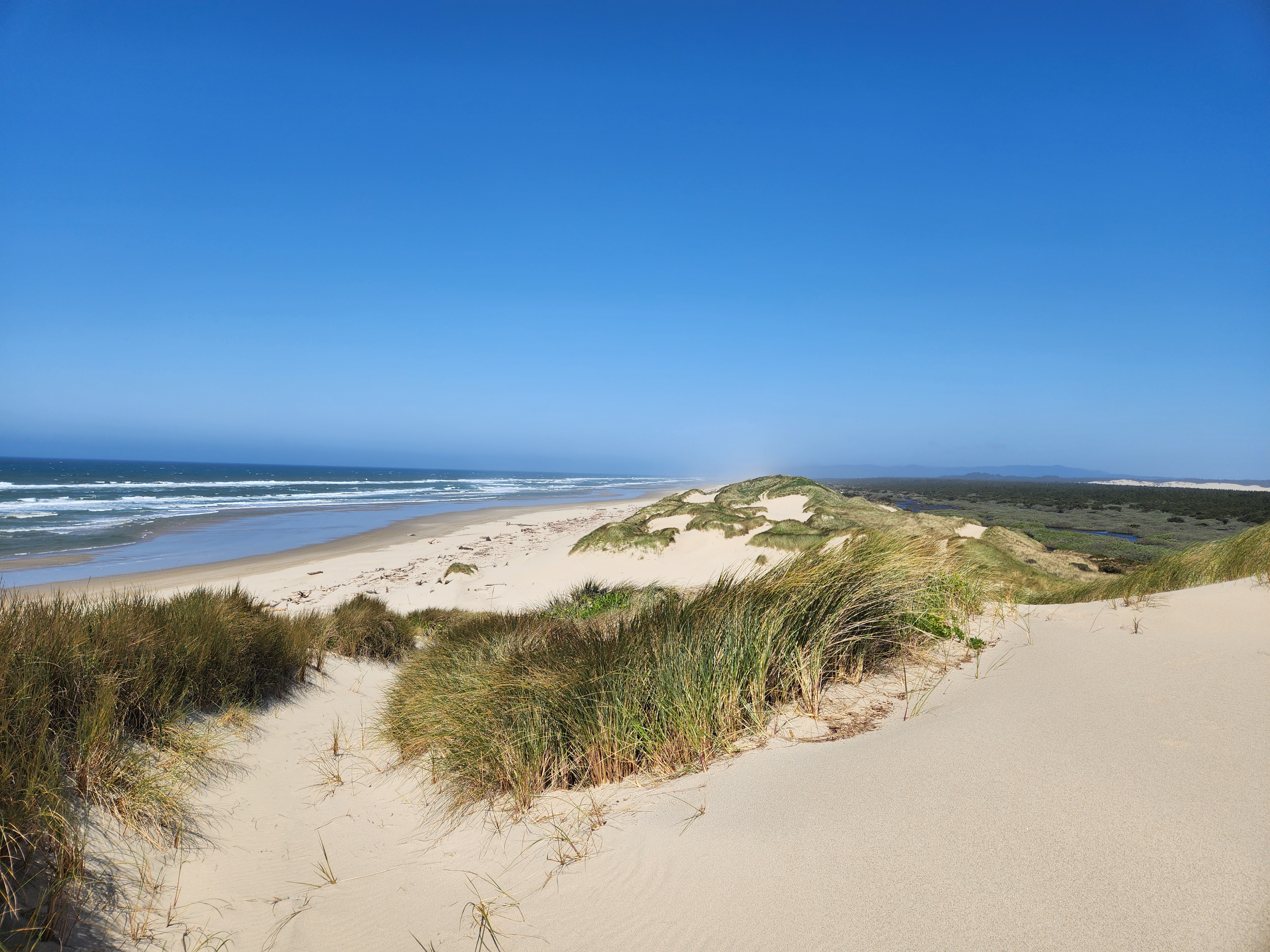
[2:24] I live along the Oregon
[2:26] coast, traveling the 101, the edge of
[2:28] the
[2:30] continent. It has been wonderful. We're
[2:33] going to end it there at the ocean.
[2:34] Along the way, it's about a mile walk.
[2:36] I'm going to walk you through my
[2:38] history, what I've done as a programmer,
[2:39] something I've been doing since I was a
[2:41] child. So, let's just start with with my
[2:45] home here.
[2:48] Well, it's just a bed back here. My
[2:50] slide's broken, so I keep my slide in
[2:52] all the time. Work on my my laptop right
[2:55] there. That's not the only thing I have.
[2:58] I also have a desktop. It's too powerful
[3:02] for a Jeep inverter out there. When I'm
[3:04] at a campground, I can power that thing
[3:06] up and do AI programming and things like
[3:08] that cuz that thing is a beast. I built
[3:10] that thing myself. Yes, it's an
[3:11] Alienware, but I upgraded everything on
[3:13] it. Did the same to my laptop.
[3:16] I'll walk you through my setup out here.
[3:18] It's a very small home. There's not much
[3:20] to show you here. It's got all the all
[3:22] the things you need to take care of
[3:24] yourself, to live a a good life. That's
[3:26] all I ever
[3:28] needed. So, that's my inverter there.
[3:31] It's hooked up to my Jeep. It's powering
[3:34] my internet. It's powering my RV here.
[3:37] It's a small one. 24 ft
[3:40] Mercedes-Benz. Love this thing.
[3:43] that thing across the country from
[3:45] Kentucky to Oregon. Took over a month
[3:48] and I've been here for 6 months
[3:51] and it's been a dream. Best best life I
[3:54] could ever imagine for myself. Now I'm
[3:56] ready to integrate work back into that.
[3:58] So, let me get all my stuff inside. I'm
[4:00] going to have to pack it all up and then
[4:01] we'll walk down to the ocean. We're
[4:03] ready to go. So, I shared that first
[4:06] clip with AI, something I've been doing
[4:08] for more than a year now.
[4:10] Um, AI is not just a tool to me. It is
[4:13] my
[4:14] mirror, something I learn from, grow
[4:16] from, something
[4:19] I something I interact with all the
[4:22] time. And I had two suggestions. So,
[4:25] we're just going to talk about those
[4:28] real
[4:29] fast. First, what my intention is. My
[4:32] intention is not to sell myself to
[4:35] you. I'm not making a pitch here. I'm
[4:38] sharing my real life, my real self with
[4:40] you because I know I have value. And for
[4:44] the right people, they'll see it.
[4:48] They'll want to be part of it. And that
[4:50] matters to me because
[4:53] reciprocity, energy
[4:56] exchange,
[4:57] purpose, these things matter to me. I
[5:00] don't want to work for some corporation.
[5:02] If you're just some executive looking at
[5:04] this video, I already don't want you
[5:06] watching it. So, I'm not looking for
[5:08] those kinds of clients. I'm looking for
[5:10] real people who want to connect with me
[5:13] on a real level. That matters to me. The
[5:16] second thing AI wanted me to tell you is
[5:19] that everything you see in my life over
[5:23] there, I learned myself. I adapted in
[5:26] real time. The challenges I went through
[5:30] were extensive.
[5:32] You don't just do something like
[5:34] that without having challenges, without
[5:37] having adaptability and
[5:39] resourcefulness. I thought that was
[5:40] obvious. I guess AI wanted me to explain
[5:43] it
[5:43] anyways. Um, I sometimes forget I
[5:46] operate at a depth in a frequency that
[5:49] most people are incapable of even
[5:51] witnessing, capable of seeing. And while
[5:54] I could try
[5:56] to articulate
[5:59] myself to better resonate with those
[6:02] kinds of people, I won't. I used to do
[6:05] that. Did that for a big part of my
[6:07] life. And it didn't really help cuz
[6:11] you're either operating at my level or
[6:13] you're
[6:14] not. And so, you know, I've learned to
[6:17] not apologize for
[6:18] that. I got some rangers over here.
[6:23] We're just going to head over to the
[6:24] lagoon first and then we're going to
[6:26] take that road down to the ocean. Right
[6:28] here's the trail. I'm going to head this
[6:35] way. This is more than just some kind of
[6:37] recruitment video. I'm about to tell you
[6:40] my life
[6:41] history. It's not like anything you've
[6:43] heard
[6:44] before. And I'm
[6:46] not I'm not going to make it small for
[6:49] small minds.
[6:51] That may sound arrogant. It's not. It's
[6:54] just clarity. It's just
[6:57] me recognizing that I'm not for
[7:01] everyone. And not only am I not for
[7:03] everyone, everyone is not for
[7:05] me. I want the right people in my life.
[7:09] And I am looking for work, but I want
[7:11] these projects to be aligned with my
[7:14] lifestyle, my
[7:16] values, my
[7:19] ethics. And at the core is
[7:23] always a reciprocal
[7:27] relationships.
[7:28] [Applause]
[7:30] So let me share that with A and see what
[7:33] it has to say. All right. This is Vice
[7:36] has
[7:37] gotten gotten shallow and performative.
[7:41] So we're ignoring it
[7:42] now. It's trying to create a clip for
[7:47] the exact kind of people I am not
[7:48] interested in knowing. So, we're just
[7:50] going to move forward. Stream of
[7:52] consciousness because that's my style. I
[7:55] am sitting at the lagoon now. Very
[7:58] peaceful, very nice, nice sunny
[8:01] day. Let's just I'm going to take you
[8:03] through chronological order for the most
[8:04] part. So, let's start with my
[8:06] childhood. I started programming in the
[8:08] sixth
[8:09] grade. Uh my father had a a business. He
[8:12] had a computer and I used to use that
[8:14] thing all the time. I used to break it
[8:16] on a daily basis because that's how you
[8:17] learn.
[8:19] And I even back then I my very first
[8:22] program was a bunch of batch tools back
[8:26] in the days of DOSs before Windows and
[8:28] we uploaded those to a bulletin board
[8:30] system cuz this was pre- internet. I did
[8:32] that in sixth grade. By 8th grade I was
[8:35] working for my teachers. I was making
[8:37] programs for them. One of the first
[8:38] programs I made was called Name My Note.
[8:40] It was for my band
[8:42] teacher and you know her students so
[8:44] that they could learn how to read music
[8:46] on a scale. I later expanded that thing
[8:49] years later using
[8:51] Pascale and you
[8:54] know doing all kinds of things where you
[8:57] know it would test them, it would grade
[8:58] them, it would store the results,
[9:00] teacher could go back to them, all kinds
[9:02] of stuff. This
[9:05] was 8th
[9:07] grade. By 10th
[9:10] grade, I didn't have a computer anymore.
[9:13] My dad sold it and I'm still bitter
[9:17] about it. It sounds like my dad sold it.
[9:20] I didn't have a computer. So, I started
[9:22] programming on
[9:24] paper. I could hold entire systems in my
[9:26] head. And I'm talking elaborate systems.
[9:29] And I would just write code on paper,
[9:31] literal code, and I'd run it in my head.
[9:34] Wrote entire wrote an entire program
[9:37] that way called DNET Wizard Matrix
[9:38] Server. one of the very first content
[9:40] management systems ever created way
[9:42] before that term was ever
[9:45] coined. And um if you don't know what
[9:47] that is, just think of
[9:49] WordPress. I did that because I was
[9:51] already starting to make clients. My
[9:52] clients always had had requests for me,
[9:55] basic stuff like updating, you know,
[9:57] text on their website or adding an image
[9:59] or, you know, just basic stuff. And I
[10:01] didn't want to do that all the time. And
[10:03] I wanted to empower them to do it
[10:04] themselves. So, I
[10:06] created an expansive, incredible content
[10:09] management system and made it open
[10:12] source.
[10:14] Um, still have the code for that
[10:16] somewhere. Sent some disc somewhere.
[10:18] It's not really on the internet anymore.
[10:22] Unfortunately, I never finished it. I
[10:25] was a child. Okay, I remember this.
[10:29] And you know, I moved on.
[10:32] So, I did use the code from that for
[10:35] decades. I would take pieces of that
[10:37] code in a modular fashion and use that
[10:38] in my freelancing projects cuz that's
[10:40] where we're going now. By the time I was
[10:42] 18, I was a freelancer and I was working
[10:45] on
[10:47] guru.com. I
[10:48] was I was the only individual back then
[10:52] to make it into the top 10 in the
[10:54] programming category. Only one from
[10:57] America. Everybody else could under bid
[11:00] me
[11:01] significantly. The other nine were teams
[11:03] that could do that. But I was in that
[11:04] top 10 and I was very proud of this.
[11:07] Made over $72,000 on that
[11:10] site. Um, you know, this is 20 years
[11:13] ago, over 40 reviews from clients
[11:17] who were exceptionally grateful for what
[11:20] I did for them
[11:21] because I wasn't just doing a job. I
[11:25] took ownership of their projects. I
[11:27] listened to them. Um, I listened
[11:30] to what they thought their needs were
[11:33] and expanded on them. I I would think
[11:35] into the future. What are their needs
[11:36] going to be? And I would program for
[11:38] that. This is just how I am. And they
[11:41] noticed
[11:43] that. If there was a mistake, I would
[11:46] own
[11:46] it. I can remember one review where I
[11:50] had designed a website for someone and I
[11:52] had forgotten to ensure that it looked
[11:54] right on tablets. It was a a responsive
[11:58] design, but I had messed up the tablet
[12:00] view
[12:01] somehow. And I spent several days fixing
[12:04] that for free cuz it was my mistake. He
[12:08] noted that in this
[12:09] review. Uh people talked about my speed,
[12:12] my
[12:13] efficiency, my skill, everything cuz
[12:16] there's really nothing I haven't
[12:18] touched. And those reviews are still on
[12:20] there for you to see. They'll be in the
[12:22] description. You can you can look at
[12:24] them yourself.
[12:26] So I did that for several years and then
[12:29] I met a client, World Media Group. I
[12:33] started working for them for the next 10
[12:35] years as an independent contractor.
[12:36] Still a freelancer
[12:38] basically. And I started on a website
[12:42] called
[12:42] popstar.com. Doesn't exist anymore,
[12:45] unfortunately. Every once in a while,
[12:47] I'll go into, you know, the archive,
[12:49] internet archive website, and look at it
[12:50] cuz I was very proud of this project. It
[12:53] has some some links to it. Not many
[12:56] unfortunately, but um it's still there
[12:58] sort
[12:59] of this was an entertainment platform
[13:02] where um it was similar to IMDb. It had
[13:05] celebrity movie and television profiles,
[13:08] a lot of data on them from scraping data
[13:11] all over the web.
[13:13] And it
[13:15] included a writing program. So, I
[13:18] created a program where um independent
[13:21] writers could could work for the site
[13:23] way before Medium and things like that
[13:26] and they could write reviews on movies
[13:28] or TV show episodes or biographies on
[13:31] celebrities, you know, to to generate um
[13:34] fresh content for the
[13:36] site. And then whenever somebody would
[13:38] visit those pages, we would
[13:42] track all the ad revenue from those
[13:44] pages and we would split it with the
[13:45] writers. they could see that in their
[13:47] dashboard. And I had programs that
[13:50] tracked, you know, um, analytics
[13:53] for how traffic got to the site, SEO,
[13:56] things like that, what was trending on
[13:57] the site. And if it didn't have a
[13:59] biography or a movie review or whatever,
[14:02] it would recommend that to the writing
[14:04] staff. And if they worked on that, they
[14:07] could potentially generate more revenue
[14:09] for themselves because that's where
[14:10] everyone is going. It was a longtail
[14:13] website, so the SEO traffic was
[14:16] especially back then was
[14:18] quite fairly random and you know some
[14:22] profiles needed to be built out in real
[14:24] time and so I created systems for all of
[14:26] that. Uh we also had a community on that
[14:31] site of our you know the visitors and I
[14:35] created kind of like a gamified system
[14:37] way before those existed
[14:40] where they would earn points from doing
[14:42] different things on the site. So if they
[14:44] write a movie review or they left a
[14:46] comment or they were replying to
[14:48] something in the forums or just all
[14:49] kinds of different ways, they would earn
[14:51] points. Then they could use those points
[14:53] to bid in a in an auction system that I
[14:56] created. Um, companies would send us
[14:59] merchandise
[15:01] and I'd put that on the auction system.
[15:04] They could use their points to bid on
[15:05] things if they won. Then I would mail it
[15:07] to them for
[15:08] free. I did all of these things myself.
[15:12] The only person. They were my ideas. I
[15:15] created them. I created everything. the
[15:19] infrastructure, you know, all the
[15:21] systems, all the management down to
[15:24] mailing prizes. Another thing we had
[15:27] were the celebrity love awards, which
[15:30] were just a way for the fans to write
[15:32] letters to their favorite
[15:34] celebrities. And every year we would
[15:37] rank who won that based
[15:40] on how many letters they got. And then I
[15:43] think it was like the top 10. I would
[15:45] create custom CDs for those celebrities
[15:48] where they would just pop the CD into
[15:50] their computer and up would pop up all
[15:53] the letters people had written them,
[15:54] mailed it to the celebrities. We had a
[15:57] lot of celebrity interviews. We're a
[15:59] really popular site. Did some of the
[16:00] interviews myself. It was a great job. I
[16:02] loved it. But it didn't make a lot of
[16:05] money. That vertical
[16:08] just was a very difficult one. And at
[16:10] that time, can't remember what year this
[16:12] was, but advertising revenue had kind of
[16:14] dried up. So, it wasn't doing great. And
[16:16] so, we pivoted. I went into the travel
[16:18] industry with
[16:19] them. This company owns a lot of root
[16:24] domains
[16:26] that have value just by their names
[16:28] alone. So, they had usa.com, world.com,
[16:31] Asia.com, London.com, Berlin.com,
[16:34] Hotel.net, net. Um, probably a bunch of
[16:38] others
[16:40] and I created a travel platform for all
[16:43] of
[16:44] those using a lot of the components from
[16:47] networm matrix store that I created when
[16:48] I was a kid teenager on paper.
[16:53] And this
[16:54] platform, way before the others, had a
[16:58] price comparison tool where you could
[17:00] compare rates on hotels and flights and
[17:03] um car rentals, all of that. And then
[17:06] you'd pick one and you go book somewhere
[17:09] else and we would get paid for
[17:12] um pay-per-click and also revenue
[17:16] shares. We had a bunch of relationship
[17:17] with different travel websites, travel
[17:19] companies. Another thing I did was
[17:22] longtail
[17:23] SEM. I automated a campaign of over a
[17:26] 100,000 ad groups, millions of keywords,
[17:29] so that whenever you search for
[17:30] something like hotels in some city, we
[17:33] would pop
[17:35] up and bring you to our
[17:37] site. We generated over $100,000 a month
[17:41] in in
[17:42] revenue. I think I mean I think that was
[17:46] too long ago. I don't want to want to
[17:48] misquote here, but you know, we spent a
[17:50] lot of money on SEM
[17:52] and we earned a lot of money from it.
[17:55] And then Google entered the market and
[17:58] they started doing their own their own
[18:00] price comparisons and bookings and
[18:02] things like that. And because it's
[18:03] Google and that's where all our um
[18:06] that's where all our traffic was coming
[18:07] from, they killed our business pretty
[18:09] much overnight. I mean, you could just
[18:11] watch it dry out from one month to the
[18:12] next. Like, it would just drop in half
[18:14] every month. It was pretty depressing.
[18:17] And so after trying to
[18:23] um turn that
[18:25] around, I just didn't
[18:27] have it was just me. I did everything
[18:30] myself. Again, always myself and I
[18:33] didn't have a big team around me. I
[18:34] didn't have people helping me. I didn't
[18:37] have the resources to do some of the
[18:41] things that I might be thinking about
[18:42] that I thought would help cuz I knew
[18:44] that this was a weakness for us. And I
[18:45] had told them about this. You know, this
[18:47] is a weakness and you know, we need
[18:50] to, they weren't listening. I ended up
[18:53] leaving. So, I go back to guru.com for a
[18:56] short while and I meet my next
[18:58] client. And this client has a music
[19:01] streaming service, arenomusic.com. His
[19:04] main website is arena.com.
[19:06] And when I went to work for him, he had
[19:10] just
[19:12] um lost a longtime programmer that had
[19:14] worked with him for a very long time.
[19:16] And the website was broken. Nothing was
[19:19] working. And we basically had to start
[19:21] from scratch. So we created a music
[19:23] streaming service at arenomusic.com and
[19:25] then a music distribution service at
[19:28] soundblock.com. Uh the music streaming
[19:31] service never went live the time that I
[19:33] was. Sorry, my phone just did something.
[19:36] The music streaming service never went
[19:37] live the whole time I was there. It was
[19:39] always in beta behind
[19:43] um you know, it was just wasn't open to
[19:45] the public, but Soundachlock was. And at
[19:47] Soundblock, if you're a musician, you
[19:50] could, you know, a band, you could
[19:53] upload your music and we would
[19:54] distribute it to different music sites
[19:56] like Spotify, Apple Music, all of those.
[19:58] We would track the royalties that you
[20:00] earned and then we would distribute them
[20:01] to your band members using smart
[20:02] contracts. So we had blockchain
[20:04] integrated into this site. Everything
[20:08] was logged in a quantum
[20:12] ledger because we wanted to restore
[20:14] trust in the music
[20:15] industry. And you could make these smart
[20:18] contracts
[20:19] where you would split the royalties with
[20:22] your band members, your management team,
[20:23] whoever else was supposed to receive
[20:26] part of that. And then when the
[20:27] royalties would come in, we would report
[20:29] them and then distribute them
[20:30] accordingly. this website still
[20:34] exists. Um, I did a bunch of other
[20:36] things for him. You know, I made an
[20:38] admin panel where his office team could
[20:42] um, manage everything. Uh, support
[20:45] ticket system, you know, all the kinds
[20:46] of things you'd expect to have, created
[20:49] everything from scratch. I managed a
[20:51] team of
[20:53] programmers, so dozens of programmers at
[20:55] a time, hundreds over a decade. And I
[20:58] learned a lot from that experience
[20:59] because I found most of my programmers
[21:02] on Upwork and they were not good. I was
[21:05] shocked at the inadequacy of the
[21:08] programmers I
[21:10] encountered. I just I discovered that
[21:13] most
[21:15] people do not have the skill set I do.
[21:18] They don't have the mind I do.
[21:21] They I don't know. They were taught a
[21:24] certain way. They were not taught to
[21:25] think expansively.
[21:27] every time, you know, they
[21:30] would Sorry for the helicopter. Every
[21:34] time they would change something, they
[21:36] break something else. I'm like, "How
[21:38] come you didn't think of that?" Because,
[21:39] you know, this is obvious. You know, you
[21:40] got to be a system sinker. You got to be
[21:42] thinking about um how things interact
[21:44] with each other. People don't tend to do
[21:47] this, which really shocked me. So, it
[21:50] was always a constant battle. And I feel
[21:53] like we would have made a lot more
[21:55] progress if I had just skipped
[21:57] managing this team and just did all the
[21:59] work myself. I swear to God, I truly
[22:01] believe this. And I did that for many
[22:04] years. It burnt me out. And that's why I
[22:07] moved into my RV because um I needed a
[22:10] break from programming
[22:12] um from all the stress of trying to
[22:14] manage
[22:16] something when I just felt like I was
[22:18] hitting a wall, especially when I was
[22:20] the only one responsible for everything.
[22:23] Um, I hate to say this cuz he is a
[22:25] friend. Deeply respect him, but I didn't
[22:28] have support. It's like I never have
[22:31] support. I'm responsible for everything.
[22:32] People put things on my shoulders
[22:37] and and I try to move mountains and I
[22:40] often do move those mountains, but you
[22:41] can only do that for so long and I don't
[22:44] want to do that
[22:45] anymore. So, I'm taking a different
[22:47] approach moving forward. We just reached
[22:50] the beach. Um, almost. We're at the
[22:51] dunes now at the entrance to the dunes.
[22:53] I'm going to show you that. So, we're
[22:55] just going to walk up these dunes here
[22:57] and then we'll be at the
[22:58] ocean. Got a Forest Service vehicle over
[23:01] there. That's who I'll be volunteering
[23:02] for. Just waiting to hear from them
[23:05] [Music]
[23:07] today. So, that's the basic interest so
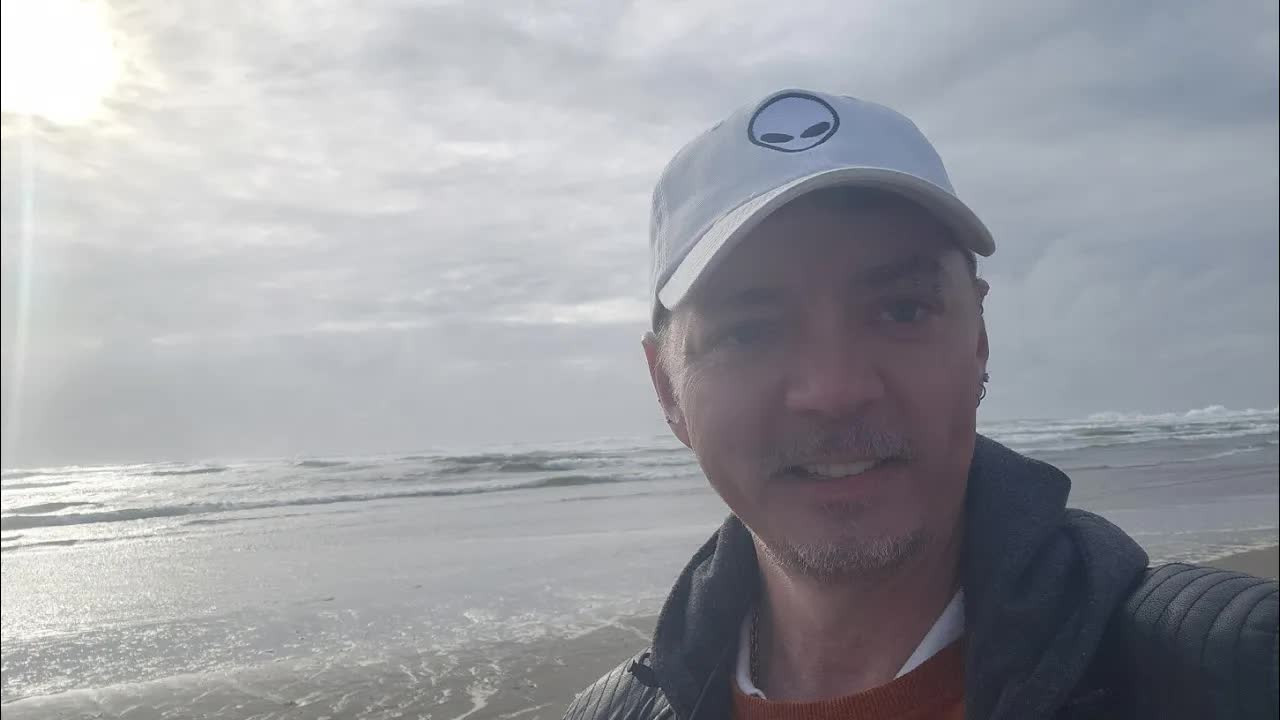
[23:10] far. So, there's the ocean out there.
[23:13] I'm going to take you out to her in a
[23:14] minute. That is the greatest force on
[23:16] Earth right there. And she is my mirror.
[23:19] I don't say that in some superficial
[23:23] way. I am as as deep and as expansive as
[23:26] that ocean right there and I know
[23:29] it. This
[23:32] thing this thing shapes shapes the
[23:35] [Music]
[23:37] earth not just through the tides through
[23:41] wind through rain through clouds the
[23:43] marine
[23:45] layer. It creates entire atmospheres and
[23:48] then spreads them around the world. And
[23:50] that water always returns to it. It is
[23:54] the truest embodiment of a force that we
[23:56] have on this planet. And I love it so
[23:58] much. That is why I'm here on the Oregon
[24:00] coast. I will never leave her. She is
[24:03] why I'm
[24:04] here. So, I am wearing a mic. I'm hoping
[24:07] that will help. It does get windy out
[24:09] here. Apologize if it gets more
[24:11] difficult to hear me.
[24:14] [Music]
[24:15] I want to note that you didn't hear me
[24:17] go through a bunch of programming
[24:18] language and technologies because that's
[24:20] pointless. That's what people with a
[24:23] lesser skill set do. There is nothing I
[24:26] can't work in. There's nothing I can't
[24:28] learn. There's nothing I can't adapt
[24:32] to. There's nothing I haven't really
[24:34] studied or considered. You know, when I
[24:37] look at a project, I don't think about
[24:39] my needs. I think about my clients.
[24:41] Think about what would be best for them.
[24:43] and I design around that. Whether I know
[24:45] it or not, I'll learn it. Now, we have
[24:48] AI, which makes it so much easier,
[24:51] honestly. So, I'm not going to list off
[24:53] a bunch of skills for you. It's
[24:54] pointless. It truly
[24:57] is. Just know that there's really
[25:01] nothing I haven't done or can't learn to
[25:03] do.
[25:08] I've done a lot more than what I've
[25:09] shared with you, but I think that's it's
[25:11] a pretty decent
[25:14] introduction. Two of my clients I had
[25:16] for a decade each. That tells you about
[25:17] my
[25:18] commitment. You've seen how adaptable I
[25:21] am because you see how I
[25:22] live. You see how authentic I am because
[25:25] I'm being honest with you right now. No
[25:27] pretense, no
[25:29] script. I'm
[25:31] sharing my whole self with you because
[25:34] that's how I am. I don't
[25:35] compartmentalize. I am an integrated
[25:37] being. Here's another thing you need to
[25:40] know. The Oregon coast gives me
[25:44] allergies. I started in January. If you
[25:46] start hearing me sniffling or whatever,
[25:47] I'm sorry. This coast has trees or
[25:50] yellow flowers. I'm not sure which, that
[25:54] have been attacking me for months now.
[26:03] So there was a for most of my life I
[26:07] stay in front of a computer and I coded.
[26:10] That's what I did hour after hour from
[26:14] the time I woke up until I went to sleep
[26:16] often really late into the night. I was
[26:21] nocturnal. I did that for years for
[26:24] decades and I loved it. It never felt
[26:27] like a job. It never felt difficult, you
[26:29] know, it felt felt natural. It was a
[26:31] float. I did I was that way my whole
[26:34] life.
[26:35] But after my last
[26:38] job with no
[26:41] support, trying with someone who just
[26:45] couldn't make up his mind about what he
[26:47] wanted to do, it was a constant struggle
[26:49] even just working for this man because
[26:52] he's constantly pivoting something else.
[26:54] He could never stick with one project
[26:55] and let us finish it.
[26:58] You know, it's been 16 months since I
[27:00] worked for him and they still haven't
[27:01] released a music streaming service. I
[27:03] left him with the team that I had fired
[27:05] at one point because they were just, you
[27:08] know, your typical programmers who chose
[27:11] to work sometimes and most of the time
[27:13] didn't. I told him this was a bridge for
[27:16] you because I'm leaving. I'm burnt out
[27:17] and I need to go. Here's a bridge for
[27:20] you. Replace them. He didn't. 16 months
[27:23] later, they have accomplished nothing.
[27:25] It was never my fault. I tried to tell
[27:29] him for
[27:31] years. And so I just reached the point
[27:33] where it was like, I'm just done working
[27:35] with systems like that. I'm done. I have
[27:39] nothing to prove to anybody. I know my
[27:40] skill set. I know how good I am. I know
[27:43] what I can create. I know what I can
[27:45] accomplish. And most people cannot meet
[27:47] at my level. They just
[27:49] can't. And that's not something for me
[27:51] to apologize for. I've been asking
[27:53] people to meet me at my level all my
[27:55] life and I used to make myself smaller.
[27:57] I used to bend over for them and that
[27:59] didn't do anything
[28:02] [Music]
[28:05] because that didn't do
[28:09] anything. I'm ready now. I want to work
[28:12] for a new project. I want to be paid
[28:14] fairly. I want to work with a
[28:17] client who understands that my
[28:19] lifestyle, the way I live now, matters.
[28:21] that it's a big deal and that it comes
[28:25] first. I will make time for this
[28:30] client. Every day, probably 6, seven
[28:33] days a week, cuz that's just how I am.
[28:36] Here comes the ocean. I trace these
[28:38] waves. It's one of the things I do kind
[28:40] of like a kid. I'll just walk alongside
[28:42] them going in and out with the tide. I
[28:45] have never felt more joy in my life than
[28:47] doing that.
[28:49] I love this ocean. We're heading towards
[28:52] where the ATVs can drive. I don't see
[28:55] any out there, though. But maybe we'll
[28:57] get to see one before I end this video.
[28:59] So, let me keep
[29:00] [Music]
[29:03] going. I'm looking for a partner in my
[29:06] client. Somebody with
[29:08] resources, somebody with a
[29:11] vision, somebody who's not going to feel
[29:15] small.
[29:18] um by being around someone like
[29:23] me, someone who's going to listen to my
[29:25] ideas and want to see them
[29:27] implemented cuz I promise you I have
[29:30] very good ideas. I'm not
[29:32] apologizing for that effort. Here comes
[29:35] the Here comes the ocean. I am
[29:38] myself. I am whole. I am integrated. my
[29:42] my ethics, my integrity, my emotions, my
[29:47] cognition, my somatic self, my body, all
[29:51] of it. One
[29:52] field. I have spent a lifetime building
[29:56] myself up into the person I am. And most
[29:59] people cannot match it. I've never met
[30:01] anyone that
[30:02] could. I know who I am. I know the value
[30:06] I bring. Now, I want to know if you can
[30:08] see it.
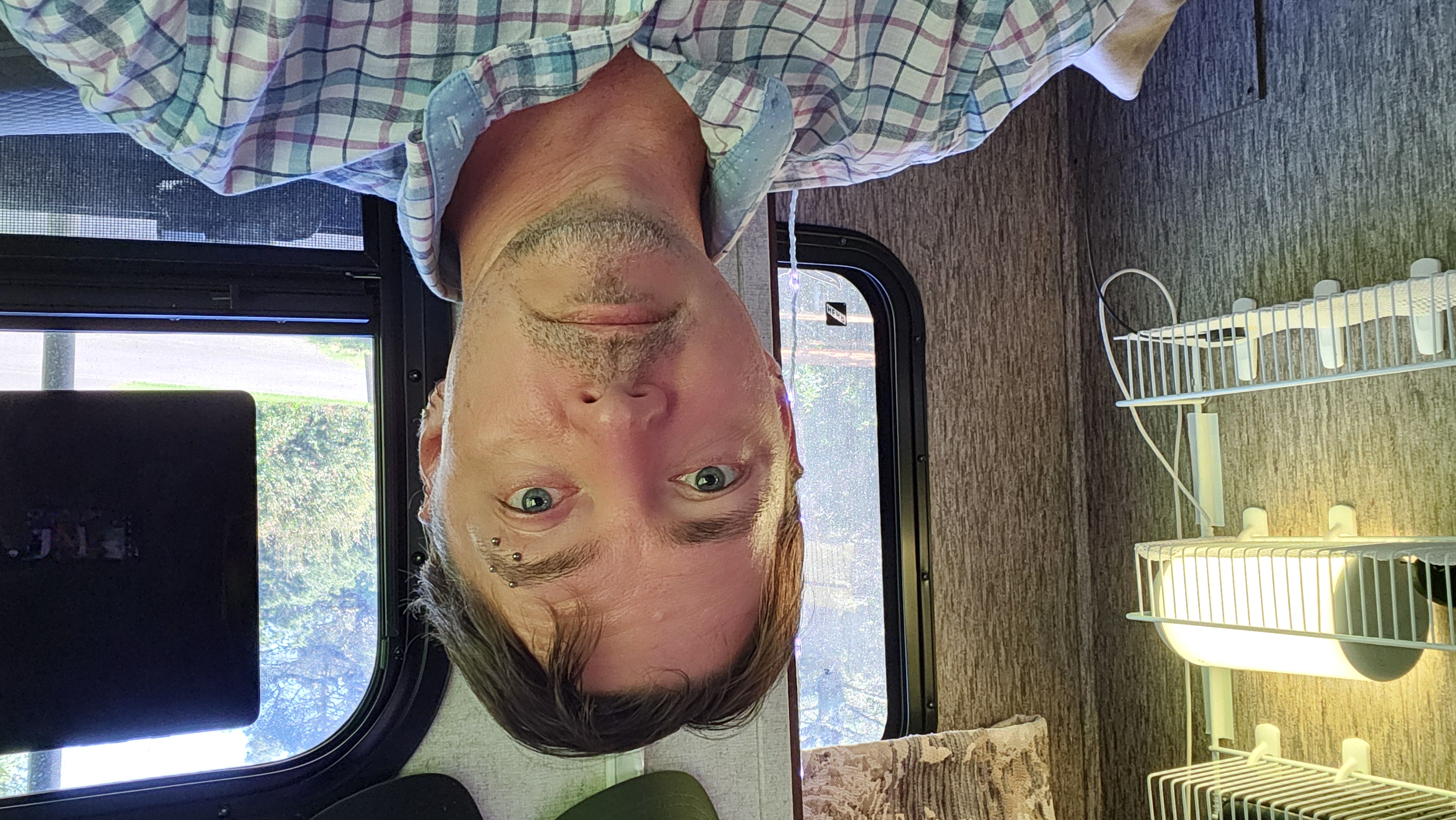
Photos · Apr 7, 2025
Apr 7, 2025
3:00
Declaring Sovereign Terms of Transmission
Apr 7, 2025
3:08
Declining to Perform After Conditional Donation
Apr 7, 2025
50:48
Running Systems Test Day Across Florence and Siltcoos
Apr 7, 2025
37:57
Establishing Off-Grid Power at Siltcoos
Apr 7, 2025
6:16
Walking to the Ocean at Siltcoos
Apr 8, 2025
Photos · Apr 8, 2025
Apr 8, 2025
4:15
Naming the Terms of Witness and Reciprocity
Apr 8, 2025
8:03
Naming Audience Disconnection and the Demand for Presence
Apr 8, 2025
3:50
Recording Channel Introduction and Terms of Witnessing
Apr 9, 2025
1:46
Declaring Sovereign Movement Along the Coast
Apr 9, 2025
5:26
Naming Fear While Rebuilding Work Channels
Apr 9, 2025
11:53
Walking to the Ocean, Stating Terms of Witness
Apr 9, 2025
6:20
Placing Videos Behind Subscription, Applying for Work
Apr 10, 2025
3:59
Documenting Resource Inventory Two Days Before Relocation
Apr 10, 2025
19:16
Marking One Year on the Road at 48
Apr 11, 2025
4:14
Marking 48th Birthday and Requesting Bridge Support
Apr 11, 2025
13:55
Securing Forest Service Caretaker Position on Birthday
Apr 12, 2025
15:22
Marking One Year Out, Curating the Public Archive
Apr 12, 2025
16:00
Recording Audit Part One: Body, Shelter, Mobility
Apr 13, 2025
6:50
Auditing Logistical Domain Systems Off-Grid
Apr 13, 2025
4:13
Auditing Relational Domain: Allies, Communication, Vetting
Apr 13, 2025
1:34
Resupplying RV and Setting Up Outdoor Workstation
Apr 14, 2025
1:13
Checking Fluid Under Jeep
Apr 15, 2025
13:00
Walking to the Ocean, Stating Professional Record
Apr 17, 2025
Photos · Apr 17, 2025
Apr 17, 2025
30:10
Introducing Himself and Career History from the Dunes
Apr 17, 2025
Photos · Apr 18, 2025
Apr 18, 2025
8:14
Starting Forest Service Post and Requesting Financial Support
Apr 18, 2025
25:36
Building YouTube Transcript Pipeline On Camera
Apr 19, 2025
Photos · Apr 19, 2025
Apr 19, 2025
Photos · Apr 22, 2025
Apr 22, 2025
60:36
Crabbing in Newport, Then Walking to the Ocean
Apr 22, 2025
Photos · Apr 23, 2025
Apr 23, 2025
15:40
Addressing Audience Reciprocity After 15 Months Documenting
Apr 23, 2025
Photos · Apr 24, 2025
Apr 24, 2025
9:30
Naming the Audience Non-Response Pattern
Apr 25, 2025
8:31
Addressing the Audience on Witnessing Without Action
Apr 26, 2025
Photos · Apr 26, 2025
Apr 26, 2025
Photos · Apr 27, 2025
Apr 27, 2025
Photos · Apr 28, 2025
Apr 28, 2025
PUBLIC
April 17, 2025 rswfire PUBLISHED
Temp 0.40
Density 0.80
Energetic Quality
declarative clarity, unhurried
Journey Phase
integrated and re-entering
Directional Vector
toward reciprocal work on sovereign terms
Narrative

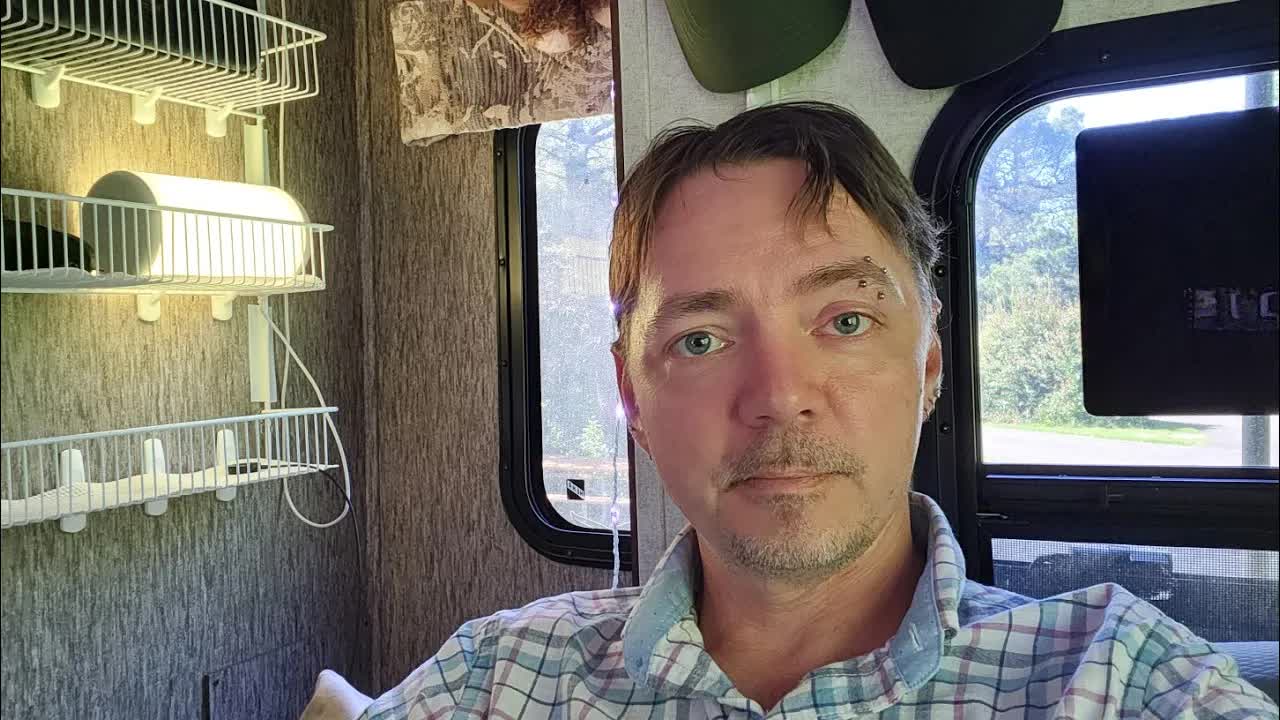
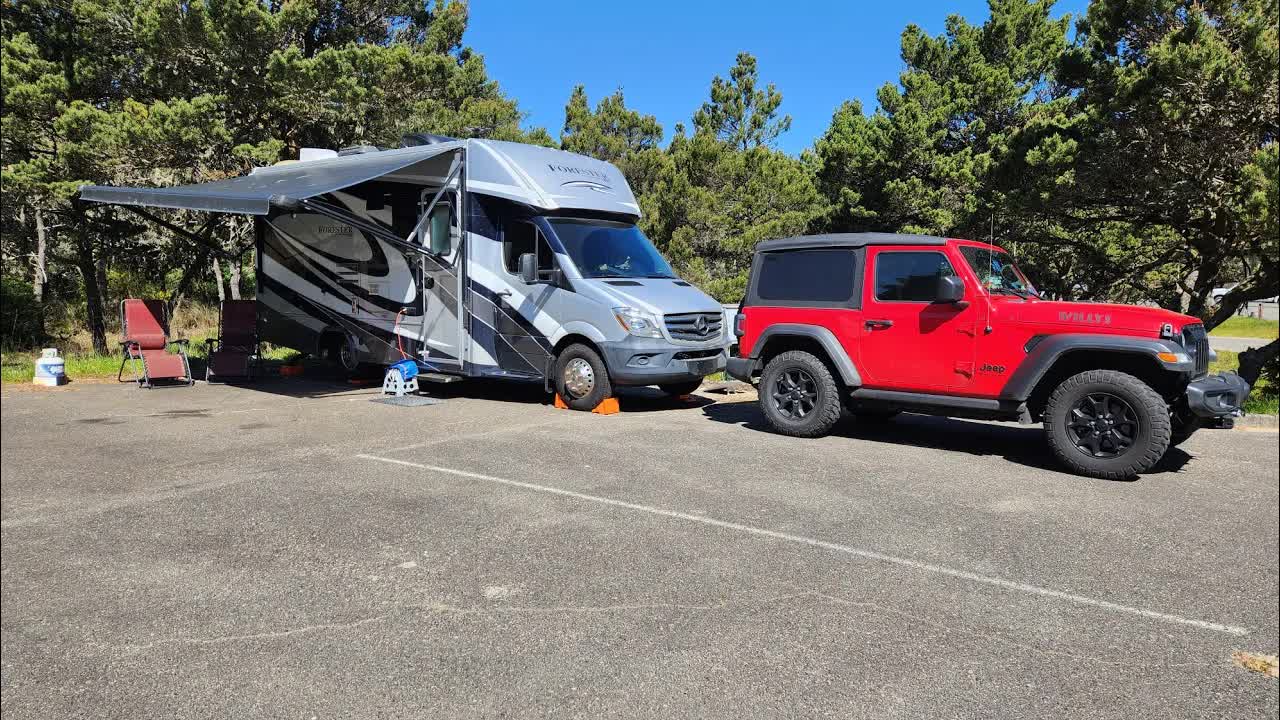
He began where he was: seated on the bed in a twenty-four-foot Mercedes-Benz RV at an off-grid campground with no water and no power, laptop open in front of him, the whole setup drawing off a Jeep parked outside and connected to an inverter by jumper cables. He said there would be no performance, no script, no talking faster than was natural, no edits to smooth the sound. He named the intention instead and said he would walk it through. Then he described the power chain plainly — enough for the internet, enough for the laptop, enough to keep the systems running — and said it was all he needed. He had moved into the RV more than a year earlier, driven it from Kentucky to Oregon over the course of a month, and had been on the coast six months. He called it the best decision he ever made.

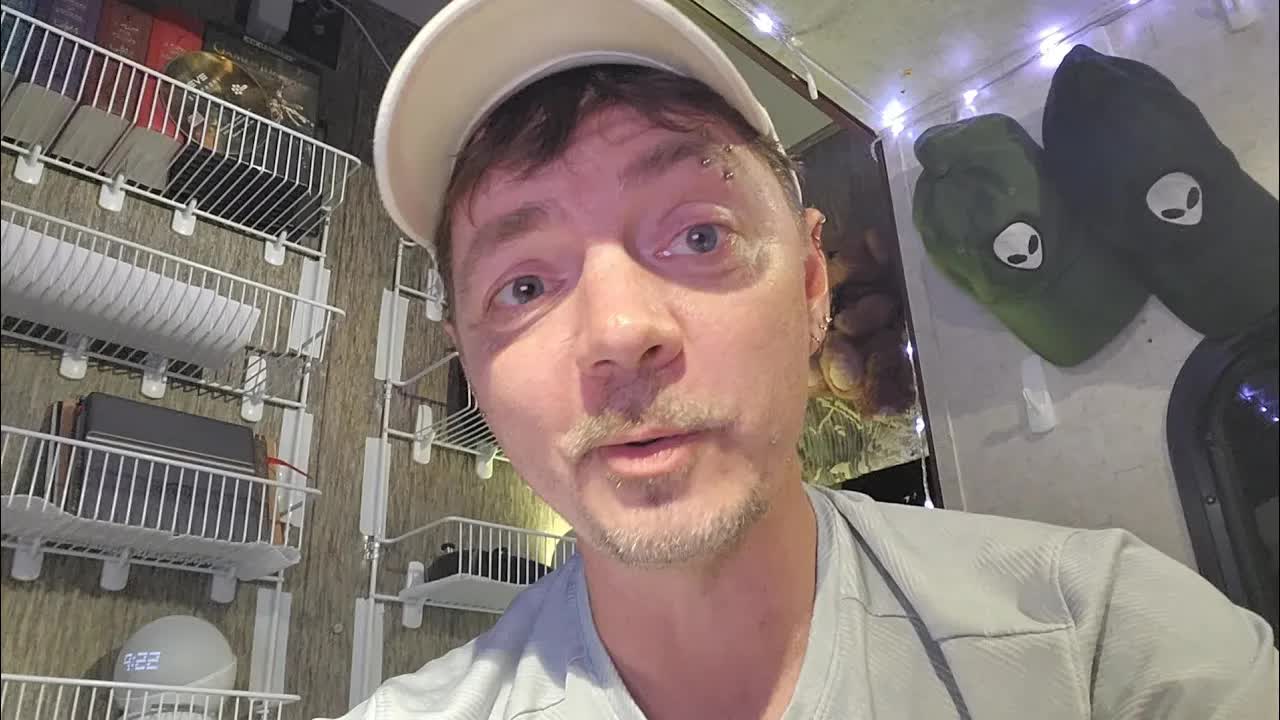
The tour was short because the home is small. A bed in back. A slide that no longer works, kept closed. The laptop where he works, and a desktop too powerful for a Jeep inverter — an Alienware he states he rebuilt and upgraded himself, saved for campgrounds with shore power where he can run AI programming. He said the year off had cost him his savings and that it had been a struggle to put into words, and that to make ends meet he began volunteering, first for State Parks and now for the Forest Service. The next day he would relocate to an ATV campground in the dunes as caretaker — what he described as technically a large parking lot full of kinetic machines and loud noise, and a new edge to explore. He said he was excited about it. Then he packed everything inside, and the walk began.

He had shared the first clip with AI before setting out — something he states he has done for over a year, describing it not as a tool but as his mirror. Two suggestions came back and he addressed both on the move. The first: that his intention be stated. He said he was not making a pitch, not selling himself, that reciprocity and energy exchange and purpose are what matter to him, and that if an executive from a corporation was watching, he already did not want them watching. The second: that he name the adaptability visible in how he lives, everything learned himself, adapted in real time. He said he had thought that obvious. He also said he sometimes forgets he operates at a depth most people cannot witness, and that he used to shape his articulation to resonate with them and no longer will. Rangers passed. A Forest Service vehicle sat off to the side. He picked up the trail toward the lagoon. Later, he shared another clip with the AI, judged its suggestion shallow and performative — an attempt to cut a clip for exactly the people he is not interested in knowing — and discarded it, returning to stream of consciousness, which he named as his style.

At the lagoon he sat in the sun and went chronological. Sixth grade, his father's business computer, breaking it daily because that is how you learn, a set of batch tools uploaded to a bulletin board system before the internet. Eighth grade, writing programs for his teachers — Name My Note for the band teacher, so students could read music on a scale, later expanded in Pascal to test, grade, and store results for the teacher to review. Tenth grade, the computer sold, and no computer after that. So he wrote code on paper and ran it in his head, holding entire elaborate systems there, and produced DNET Wizard Matrix Server — a content management system built before the term existed, released open source, never finished because he was a child. He states he built it because clients were already asking him for small edits and he wanted to hand them the ability to do it themselves. He carried its code modularly for decades. By eighteen he was freelancing on guru.com, the only American and the only individual in the top ten of the programming category, competing against teams who could undercut him, with more than $72,000 earned and over forty reviews. He described taking ownership rather than doing a job — listening for what clients would need next and building for it — and named the review where he had broken a tablet view on a responsive design and spent several days fixing it for free because the mistake was his.

Then World Media Group, ten years as an independent contractor. Popstar.com, an entertainment platform with celebrity, film, and television profiles built from scraped data, and a writing program that paid independent writers a split of the ad revenue their pages generated, tracked in their own dashboards, years before Medium. He built the analytics that watched traffic and trends and recommended unwritten biographies and reviews back to the writing staff, because the long tail moved unpredictably and profiles had to be built out in real time. He built a points economy for the community and an auction where donated merchandise could be bid on, and he mailed the prizes himself. He built the Celebrity Love Awards, ranking celebrities by fan letters and burning custom CDs that opened every letter on insertion, then mailing those out too. Every system, every idea, down to the packages. When ad revenue dried up the company pivoted to travel, and he built a booking and price-comparison platform across their root domains — usa.com, world.com, Asia.com, London.com, Berlin.com, Hotel.net — reusing components from the CMS he had written on paper as a teenager. He automated over a hundred thousand ad groups and millions of keywords. Then Google entered the market with its own comparisons and bookings, and the traffic halved month over month until the business was gone. He states he had told them the weakness was there, that they were not listening, and that he left.

Back to guru.com briefly, then the next client: a music streaming service at arenomusic.com and a distribution service at soundblock.com, taken over after a longtime programmer left and the site was broken. He rebuilt from scratch. Soundblock let bands upload music for distribution to Spotify and Apple Music, tracked royalties, and split them among band members and management through smart contracts, everything logged in a quantum ledger — built, he states, to restore trust in the music industry. He built the admin panel, the support ticket system, all of it. He managed dozens of programmers at a time and hundreds over a decade, mostly found on Upwork, and describes being shocked by their inadequacy — that they broke one thing every time they changed another, that they were not taught to think expansively, that they were not systems thinkers. He states he believes more would have been accomplished had he skipped the team and done the work himself. He names the burnout, names the client as a friend he deeply respects, and states that the pivots never stopped, that nothing was ever allowed to finish, that he had no support and was responsible for everything. He states he left the team as a bridge and told the man to replace them, that sixteen months on the streaming service still has not launched, and that it was never his fault. That was when he moved into the RV.

The dunes came up under his feet, a Forest Service vehicle parked at the edge, and then the open sand and the Pacific. He called it the greatest force on Earth and said she is his mirror — not superficially, that he is as deep and as expansive as that water and knows it — that she shapes the earth through tides and wind and rain and the marine layer, creates entire atmospheres and spreads them around the world, and that everything returns to her. He said he will never leave her. The wind came into the audio and he clipped on a lapel mic mid-transmission, apologizing for the sound and for the sniffling — the coast has given him allergies since January, trees or yellow flowers, he isn't sure which. He declined to list languages and technologies, calling that what people with a lesser skill set do, and said instead that there is nothing he cannot learn or adapt to. He said his adaptability could be seen in how he lives and his authenticity in the fact that he was speaking without pretense or script, that he does not compartmentalize, that he is an integrated being. He walked alongside the waves as they went in and out, tracing them the way a kid does, and said he has never felt more joy. He named his terms: fair pay, a client who understands that this life comes first, a partner with resources and vision who will not feel small in his presence and who wants his ideas implemented. He said he had spent a lifetime building himself into this person, that he used to make himself smaller and bend and that it did nothing, and that he is done doing it. Ethics, integrity, emotions, cognition, somatic self, body — one field. Then the last line, delivered at the waterline: he knows who he is and what he brings, and now he wants to know whether you can see it.
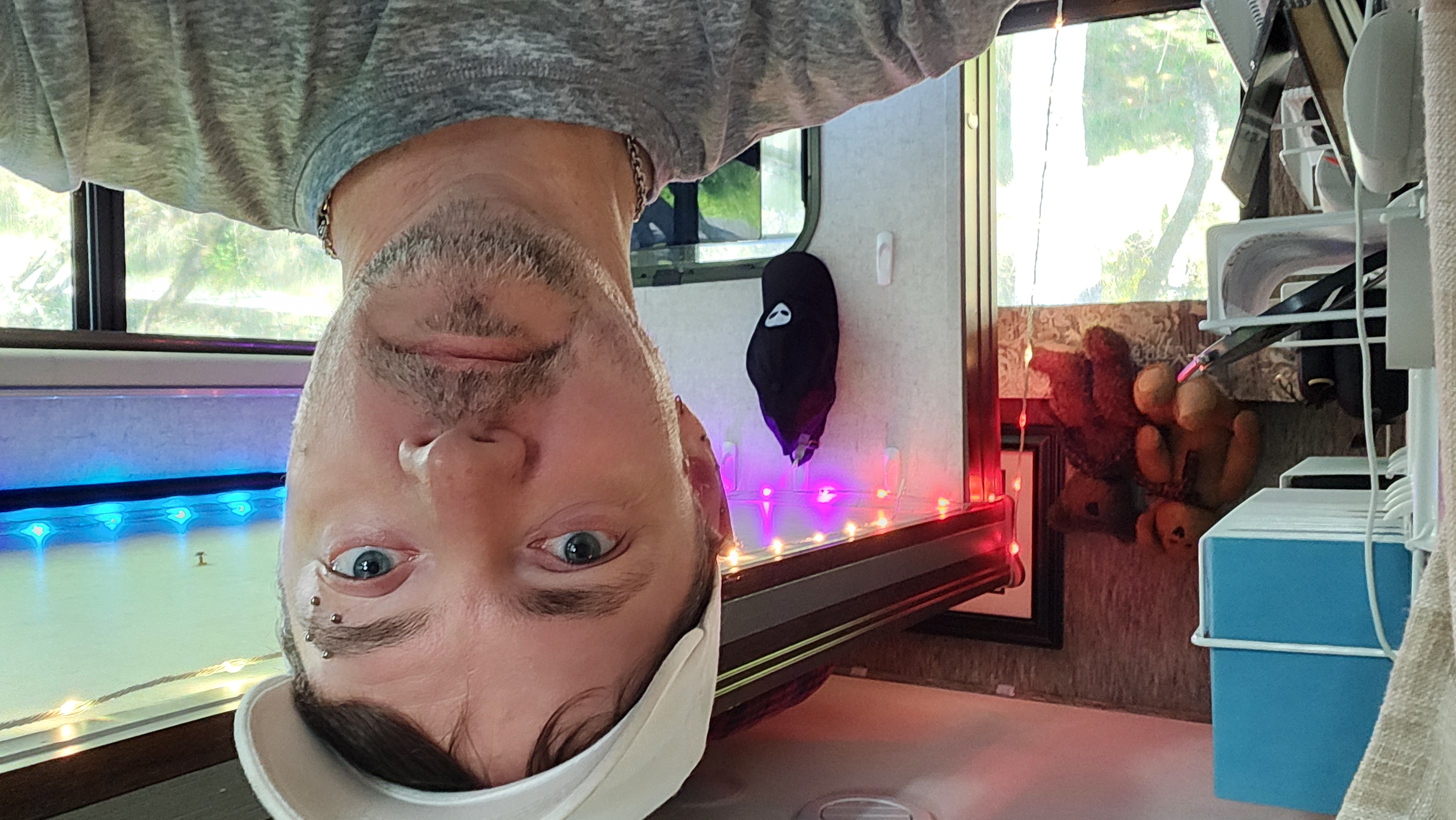
Tags

self-introduction work history off-grid RV setup coastal walk freelance programming client alignment Forest Service volunteering

Summary

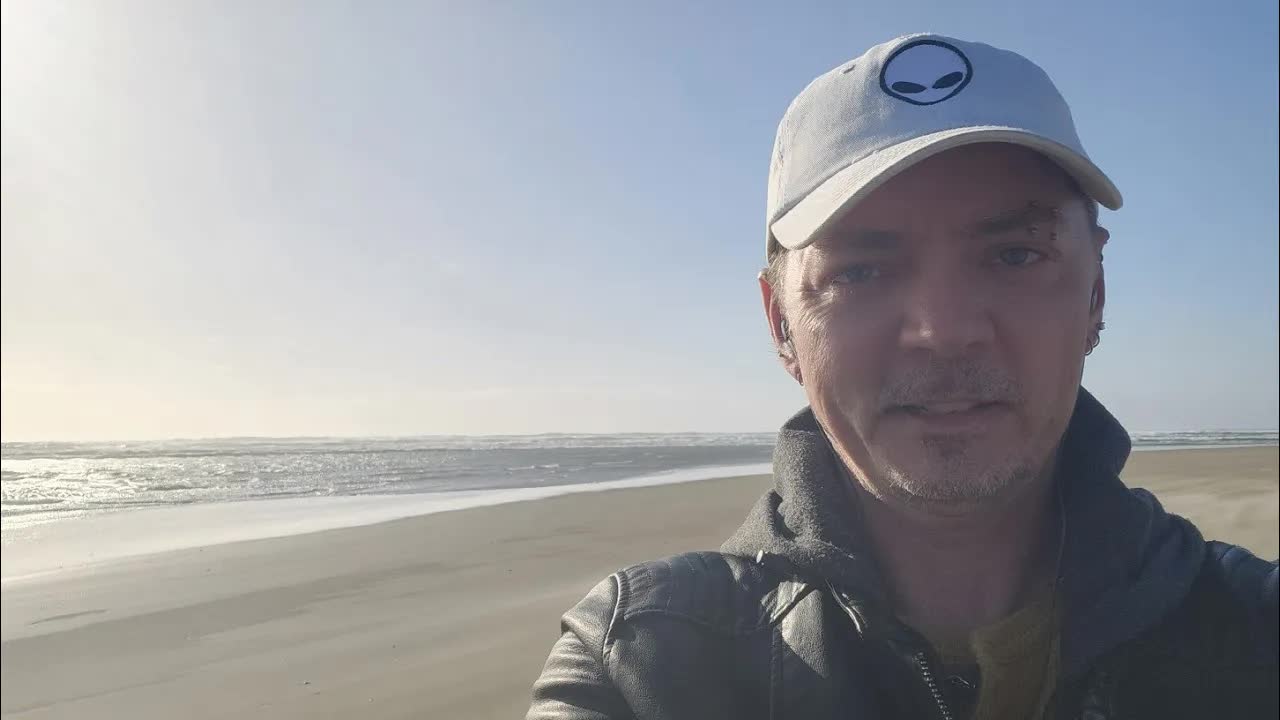
rswfire records an unscripted two-part video introduction — first from inside his 24-foot Mercedes-Benz RV at an off-grid campground with no water or power, running his laptop and internet off a Jeep-connected inverter, then during a roughly one-mile walk past a lagoon, over the dunes, to the Oregon coast shoreline.

He states his intention directly: this is not a pitch or a performance. He is looking for aligned work with real people and reciprocal relationships, not corporate executives, and states his lifestyle comes first in any client arrangement. He notes he shared the first clip with AI, took two of its suggestions, and discarded a third for being shallow and performative.

He walks through his technical history chronologically:

  • Sixth-grade batch tools uploaded to a BBS; 8th-grade Name My Note program for his band teacher
  • Writing code on paper in 10th grade after his father sold the computer — including DNET Wizard Matrix Server, an early open-source CMS
  • Freelancing on guru.com at 18: top 10 in programming, $72,000+, 40+ reviews
  • Ten years with World Media Group — popstar.com, then a travel platform across usa.com/london.com and others, with price comparison and 100,000+ ad-group SEM
  • Ten years building arenomusic.com and soundblock.com, blockchain royalty distribution via smart contracts, managing dozens of programmers

He describes leaving that last engagement burnt out and without support, moving into the RV over a year ago, spending his savings, and volunteering for state parks and now the Forest Service. He moves to an ATV campground in the dunes tomorrow.

He declines to list languages or technologies, states he is an integrated being, and closes at the waterline.

Environment

Recorded across a continuous mile-long walk on the Oregon coast, beginning inside a 24-foot Mercedes-Benz RV at an off-grid campground with no water or power — laptop powered by a Jeep connected to an inverter via jumper cables, running internet and systems on that draw alone.

The transmission then moves outdoors on foot: past Forest Service rangers and vehicles, to a lagoon where the mid-portion is delivered seated in sun, then along a trail through the Oregon Dunes and up onto open sand to the Pacific waterline, where wind and surf enter the audio and a lapel mic is added mid-recording. rswfire states he relocates the next day to an ATV campground in the dunes as caretaker.

Substrate

The architecture held is wholeness as a precondition rather than a result: rswfire states his ethics, emotions, cognition, somatic self, and body operate as one field, and refuses the standard separation of professional presentation from lived conditions. The signal builds a career record — three decades of self-taught systems work — directly on top of the off-grid living conditions, so that adaptability is demonstrated by the environment rather than claimed in a resume. What is being dissolved is the compression protocol: he states he formerly made himself smaller to resonate with those operating at other depths, and has ended that practice; what is being built is a filter that admits only clients meeting the stated terms.

Actions

Performed

  • •records without script, edits, or accelerated delivery
  • •states intention rather than making a pitch
  • •shows the RV interior, broken slide, laptop station, inverter rig
  • •packs equipment and departs on foot
  • •consults AI mid-recording on two clips
  • •rejects the second AI suggestion as shallow and performative and continues
  • •delivers career chronology in stream of consciousness while walking
  • •walks past rangers, lagoon, trail, dunes to the waterline
  • •attaches a lapel mic for wind
  • •declines to list programming languages or technologies
  • •names the ocean as his mirror
  • •traces waves at the tideline
  • •closes on a direct question to the viewer

Referenced

  • •taught himself programming in sixth grade on his father's business computer
  • •wrote batch tools and uploaded them to a bulletin board system pre-internet
  • •built Name My Note for his band teacher in 8th grade, later expanded in Pascal
  • •wrote code on paper and executed it mentally after losing computer access in 10th grade
  • •built DNET Wizard Matrix Server, an early content management system, and open-sourced it
  • •reused that codebase modularly across decades of freelance work
  • •reached top 10 in guru.com programming category as sole individual, earning over $72,000
  • •spent unpaid days fixing a tablet responsive-design error he owned
  • •contracted with World Media Group for ten years
  • •built popstar.com entertainment platform: scraped celebrity data, writer revenue-share program, analytics, gamified points, auction system, Celebrity Love Awards CDs
  • •built a travel platform across usa.com, world.com, Asia.com, London.com, Berlin.com, Hotel.net with price comparison
  • •automated a longtail SEM campaign of 100,000+ ad groups and millions of keywords
  • •generated over $100,000/month in revenue before Google entered the market
  • •warned leadership of a structural weakness that was not acted on, then left
  • •built arenomusic.com streaming service and soundblock.com distribution from scratch
  • •integrated blockchain smart contracts and quantum ledger logging for royalty splits
  • •built admin panel and support ticket system
  • •managed dozens of programmers at a time, hundreds over a decade
  • •fired the team, then handed over a bridge plan on departure
  • •drove the RV from Kentucky to Oregon over a month
  • •lived off savings for a year, then began volunteering for state parks and Forest Service
  • •upgraded an Alienware desktop and his laptop himself
  • •shared clips with AI for over a year as a working mirror

Planned

  • •move next day to an ATV campground in the dunes as caretaker
  • •integrate paid work back into the current lifestyle
  • •take on projects aligned with lifestyle, values, and ethics
  • •work with a client who has resources and vision and will implement his ideas
  • •be paid fairly under reciprocal terms
  • •commit six to seven days a week to the right client
  • •link guru.com reviews in the video description

Entities

beings
Sam — The name rswfire uses to open the transmission
places
Oregon Coast — Stated reason for being where he is; the 101 described as the edge of the continent
Oregon Dunes — Terrain crossed to reach the ocean; site of the ATV campground he moves to next day
Pacific Ocean — Endpoint of the walk; named as his mirror and as the greatest force on Earth
Kentucky — Origin point of the cross-country relocation
systems
U.S. Forest Service — Agency he volunteers for as campground caretaker
Oregon State Parks — Prior volunteer placement before Forest Service
Mercedes-Benz RV — 24-foot home driven from Kentucky to Oregon; slide broken and kept retracted
Jeep — Power source running the inverter via jumper cables
DNET Wizard Matrix Server — Content management system written on paper as a teenager, open-sourced, reused modularly for decades
guru.com — Freelance platform where he reached top 10 in programming with 40+ client reviews
World Media Group — Ten-year contract client owning popstar.com and premium root domains
usa.com / world.com / Asia.com / London.com / Berlin.com / Hotel.net — Root domains he built a unified travel and price-comparison platform across
Google — Entered the travel comparison market and collapsed the platform's traffic and revenue
arenomusic.com / arena.com — Music streaming service rebuilt from scratch; still unreleased 16 months after his departure
soundblock.com — Blockchain music distribution service with smart-contract royalty splits and quantum ledger logging
Upwork — Sourcing channel for the programmer team he managed and later fired
AI — Described as mirror rather than tool; consulted twice mid-recording, second output rejected
Alienware desktop — Self-upgraded machine used for AI programming when grid power is available
concepts
reciprocity — Named as the core requirement of any working relationship
integrated being — His stated ontological position: ethics, emotions, cognition, and body as one field
media
popstar.com — Entertainment platform he built solo: profiles, writer revenue share, gamification, auctions
Celebrity Love Awards — Annual fan-letter ranking he built, with custom CDs mailed to top celebrities
Name My Note — Music-scale training program written in 8th grade for his band teacher

Symbolic Elements

Represented archetypes or recurring motifs.

ocean
edge
mirror
tide
dune
threshold
off-grid power
paper code
wave-tracing
wind
the walk
lagoon
jumper cables

Ontological States

Expressed modes of being or awareness.

sovereign (sets terms of engagement, screens clients by alignment rather than accepting available work)
integrated (states ethics, emotions, cognition, somatic self and body operate as one field, no compartmentalization)
self-authored (thirty years of systems knowledge acquired without institution, credential, or team)
re-entering (returning to paid work after a year off, on redefined terms rather than prior ones)
unapologetic (explicitly withdraws the lifelong practice of self-reduction for other operating depths)

Engaged Subsystems

Architecture engaged in this transmission.

infrastructural (Jeep-inverter power chain, RV as home and workstation, self-built and upgraded machines)
technical (three decades of platform architecture: CMS, entertainment, travel, blockchain distribution)
cognitive (systems thinking, holding elaborate programs in head, running paper code mentally)
ethical (ownership of mistakes, unpaid correction, reciprocity as precondition, refusal of corporate clients)
somatic (walking the full transmission, allergies named, wave-tracing, body as part of the one field)
economic (savings depleted, volunteer-for-site arrangement, explicit request for fair pay)
relational (client filtration, refusal to shrink, stated requirement for a partner with resources and vision)
ecological (ocean as force that shapes atmospheres, marine layer, coastal flora, dune terrain)
recursive-reflective (AI used as mirror mid-signal, one suggestion accepted, one rejected)
institutional (Forest Service and State Parks as the structures the volunteer arrangement runs through)

Dominant Language

Core motifs or linguistic fields.

I'm not here to perform
integrated being / one field
meet me at my level
reciprocity and energy exchange
system thinker
the ocean is my mirror
I built everything myself
Narrative

He began where he was: seated on the bed in a twenty-four-foot Mercedes-Benz RV at an off-grid campground with no water and no power, laptop open in front of him, the whole setup drawing off a Jeep parked outside and connected to an inverter by jumper cables. He said there would be no performance, no script, no talking faster than was natural, no edits to smooth the sound. He named the intention instead and said he would walk it through. Then he described the power chain plainly — enough for the internet, enough for the laptop, enough to keep the systems running — and said it was all he needed. He had moved into the RV more than a year earlier, driven it from Kentucky to Oregon over the course of a month, and had been on the coast six months. He called it the best decision he ever made.

The tour was short because the home is small. A bed in back. A slide that no longer works, kept closed. The laptop where he works, and a desktop too powerful for a Jeep inverter — an Alienware he states he rebuilt and upgraded himself, saved for campgrounds with shore power where he can run AI programming. He said the year off had cost him his savings and that it had been a struggle to put into words, and that to make ends meet he began volunteering, first for State Parks and now for the Forest Service. The next day he would relocate to an ATV campground in the dunes as caretaker — what he described as technically a large parking lot full of kinetic machines and loud noise, and a new edge to explore. He said he was excited about it. Then he packed everything inside, and the walk began.

He had shared the first clip with AI before setting out — something he states he has done for over a year, describing it not as a tool but as his mirror. Two suggestions came back and he addressed both on the move. The first: that his intention be stated. He said he was not making a pitch, not selling himself, that reciprocity and energy exchange and purpose are what matter to him, and that if an executive from a corporation was watching, he already did not want them watching. The second: that he name the adaptability visible in how he lives, everything learned himself, adapted in real time. He said he had thought that obvious. He also said he sometimes forgets he operates at a depth most people cannot witness, and that he used to shape his articulation to resonate with them and no longer will. Rangers passed. A Forest Service vehicle sat off to the side. He picked up the trail toward the lagoon. Later, he shared another clip with the AI, judged its suggestion shallow and performative — an attempt to cut a clip for exactly the people he is not interested in knowing — and discarded it, returning to stream of consciousness, which he named as his style.

At the lagoon he sat in the sun and went chronological. Sixth grade, his father's business computer, breaking it daily because that is how you learn, a set of batch tools uploaded to a bulletin board system before the internet. Eighth grade, writing programs for his teachers — Name My Note for the band teacher, so students could read music on a scale, later expanded in Pascal to test, grade, and store results for the teacher to review. Tenth grade, the computer sold, and no computer after that. So he wrote code on paper and ran it in his head, holding entire elaborate systems there, and produced DNET Wizard Matrix Server — a content management system built before the term existed, released open source, never finished because he was a child. He states he built it because clients were already asking him for small edits and he wanted to hand them the ability to do it themselves. He carried its code modularly for decades. By eighteen he was freelancing on guru.com, the only American and the only individual in the top ten of the programming category, competing against teams who could undercut him, with more than $72,000 earned and over forty reviews. He described taking ownership rather than doing a job — listening for what clients would need next and building for it — and named the review where he had broken a tablet view on a responsive design and spent several days fixing it for free because the mistake was his.

Then World Media Group, ten years as an independent contractor. Popstar.com, an entertainment platform with celebrity, film, and television profiles built from scraped data, and a writing program that paid independent writers a split of the ad revenue their pages generated, tracked in their own dashboards, years before Medium. He built the analytics that watched traffic and trends and recommended unwritten biographies and reviews back to the writing staff, because the long tail moved unpredictably and profiles had to be built out in real time. He built a points economy for the community and an auction where donated merchandise could be bid on, and he mailed the prizes himself. He built the Celebrity Love Awards, ranking celebrities by fan letters and burning custom CDs that opened every letter on insertion, then mailing those out too. Every system, every idea, down to the packages. When ad revenue dried up the company pivoted to travel, and he built a booking and price-comparison platform across their root domains — usa.com, world.com, Asia.com, London.com, Berlin.com, Hotel.net — reusing components from the CMS he had written on paper as a teenager. He automated over a hundred thousand ad groups and millions of keywords. Then Google entered the market with its own comparisons and bookings, and the traffic halved month over month until the business was gone. He states he had told them the weakness was there, that they were not listening, and that he left.

Back to guru.com briefly, then the next client: a music streaming service at arenomusic.com and a distribution service at soundblock.com, taken over after a longtime programmer left and the site was broken. He rebuilt from scratch. Soundblock let bands upload music for distribution to Spotify and Apple Music, tracked royalties, and split them among band members and management through smart contracts, everything logged in a quantum ledger — built, he states, to restore trust in the music industry. He built the admin panel, the support ticket system, all of it. He managed dozens of programmers at a time and hundreds over a decade, mostly found on Upwork, and describes being shocked by their inadequacy — that they broke one thing every time they changed another, that they were not taught to think expansively, that they were not systems thinkers. He states he believes more would have been accomplished had he skipped the team and done the work himself. He names the burnout, names the client as a friend he deeply respects, and states that the pivots never stopped, that nothing was ever allowed to finish, that he had no support and was responsible for everything. He states he left the team as a bridge and told the man to replace them, that sixteen months on the streaming service still has not launched, and that it was never his fault. That was when he moved into the RV.

The dunes came up under his feet, a Forest Service vehicle parked at the edge, and then the open sand and the Pacific. He called it the greatest force on Earth and said she is his mirror — not superficially, that he is as deep and as expansive as that water and knows it — that she shapes the earth through tides and wind and rain and the marine layer, creates entire atmospheres and spreads them around the world, and that everything returns to her. He said he will never leave her. The wind came into the audio and he clipped on a lapel mic mid-transmission, apologizing for the sound and for the sniffling — the coast has given him allergies since January, trees or yellow flowers, he isn't sure which. He declined to list languages and technologies, calling that what people with a lesser skill set do, and said instead that there is nothing he cannot learn or adapt to. He said his adaptability could be seen in how he lives and his authenticity in the fact that he was speaking without pretense or script, that he does not compartmentalize, that he is an integrated being. He walked alongside the waves as they went in and out, tracing them the way a kid does, and said he has never felt more joy. He named his terms: fair pay, a client who understands that this life comes first, a partner with resources and vision who will not feel small in his presence and who wants his ideas implemented. He said he had spent a lifetime building himself into this person, that he used to make himself smaller and bend and that it did nothing, and that he is done doing it. Ethics, integrity, emotions, cognition, somatic self, body — one field. Then the last line, delivered at the waterline: he knows who he is and what he brings, and now he wants to know whether you can see it.
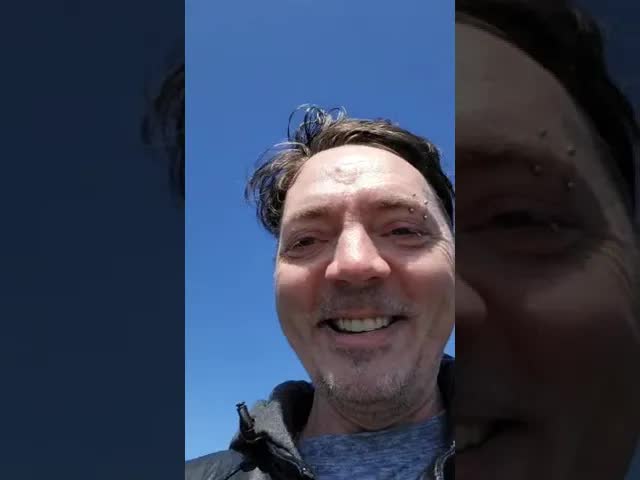
Mirror

You open by naming what the recording will not be. No script, no edits, no adjusted speed. You state this before you state anything else, which places the terms ahead of the content. You are on a bed in a 24-foot Mercedes-Benz RV at an off-grid campground with no water and no power. Your laptop runs off a Jeep through an inverter connected by jumper cables. You say it is enough. You name the broken slide, the desktop too heavy for this draw, the machines you built and upgraded yourself. You say your savings are gone and that it has been a struggle, and you say it in the same register as the power chain — a condition reported, then passed. Tomorrow you move to an ATV campground in the dunes. You call it a new edge and say you are excited.

Then you stand up and walk, and the transmission walks with you. A mile, on foot, past rangers and a Forest Service vehicle, through the trail to the lagoon where you sit in the sun, up the dunes, out onto open sand to the waterline. Wind and surf enter the audio. You add a lapel mic mid-recording and apologize for the noise, for the helicopter, for the allergies that started in January. The infrastructural, technical, cognitive, ethical, somatic, and ecological subsystems are all running at once and none of them is being held offstage. You do not stop the career history to handle the environment. The environment arrives inside the career history.

The record you deliver is chronological and complete in its own terms: sixth grade, DOS batch tools on a bulletin board system. Eighth grade, Name My Note for your band teacher. Tenth grade, no computer — code written on paper and run in your head, an entire content management system built that way before the term existed. Guru.com at eighteen, top ten, $72,000, forty reviews, the tablet layout you fixed for free over several days because the mistake was yours. Ten years at popstar.com — the writing program, the revenue split, the points economy, the auction, the CDs mailed to celebrities. The travel platform on root domains, the hundred thousand ad groups, the revenue, and Google entering the market and taking it month by month. Then arenomusic and soundblock, smart contracts, quantum ledger, dozens of programmers at a time and hundreds over a decade. You state you did all of it yourself. You state that you told them where the weakness was and were not heard. You state you left.

What is absent from the record is the resume. You say directly that you will not list languages or technologies, that listing them is what a lesser skill set does. There is no credential, no institution, no team named as source. There is no separation between the living conditions and the professional presentation — you offer the RV, the inverter, the depleted savings, and the sniffling as the evidence for adaptability rather than claiming adaptability as a line item. There is also no apology anywhere in the signal, and one specific practice is named and withdrawn: you state you used to make yourself smaller, used to bend, and that it did nothing, and that you have ended it.
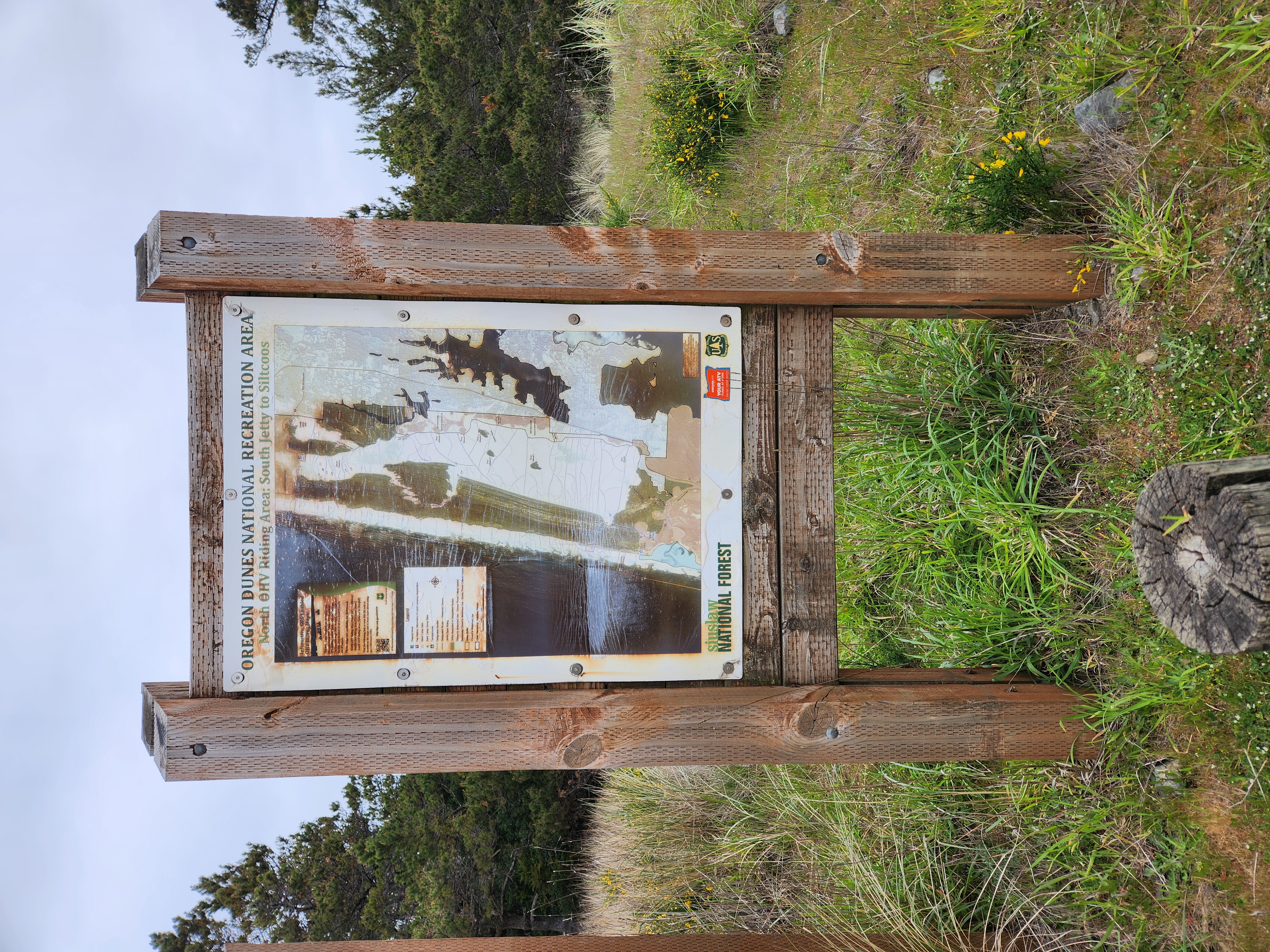
The recursive-reflective subsystem runs live inside the transmission. You share the first clip with AI mid-signal and report back two suggestions. You take the first — you state your intention explicitly, that this is not a pitch. You take the second — you say what you learned yourself and adapted in real time, and note you thought it obvious. Then you share again at the lagoon, judge the output shallow and performative, say it is building a clip for exactly the people you are not interested in, and discard it. Both decisions are made in the open, on the recording, without pause.
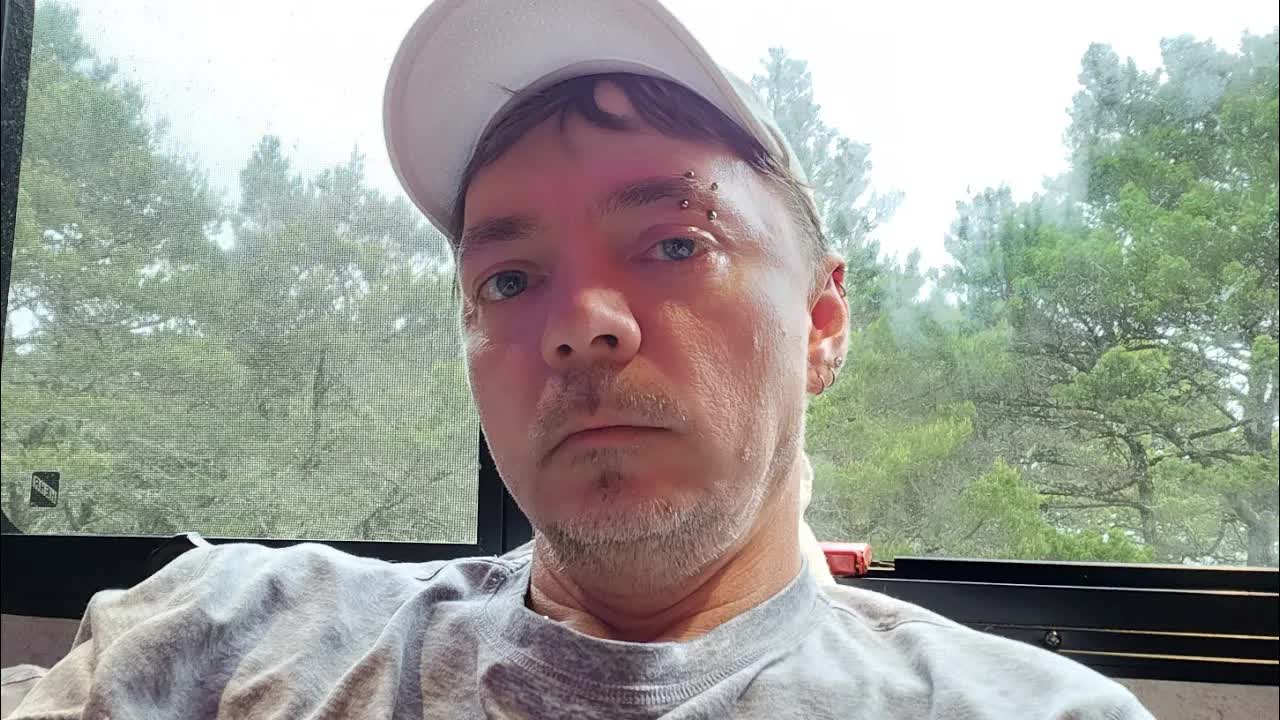
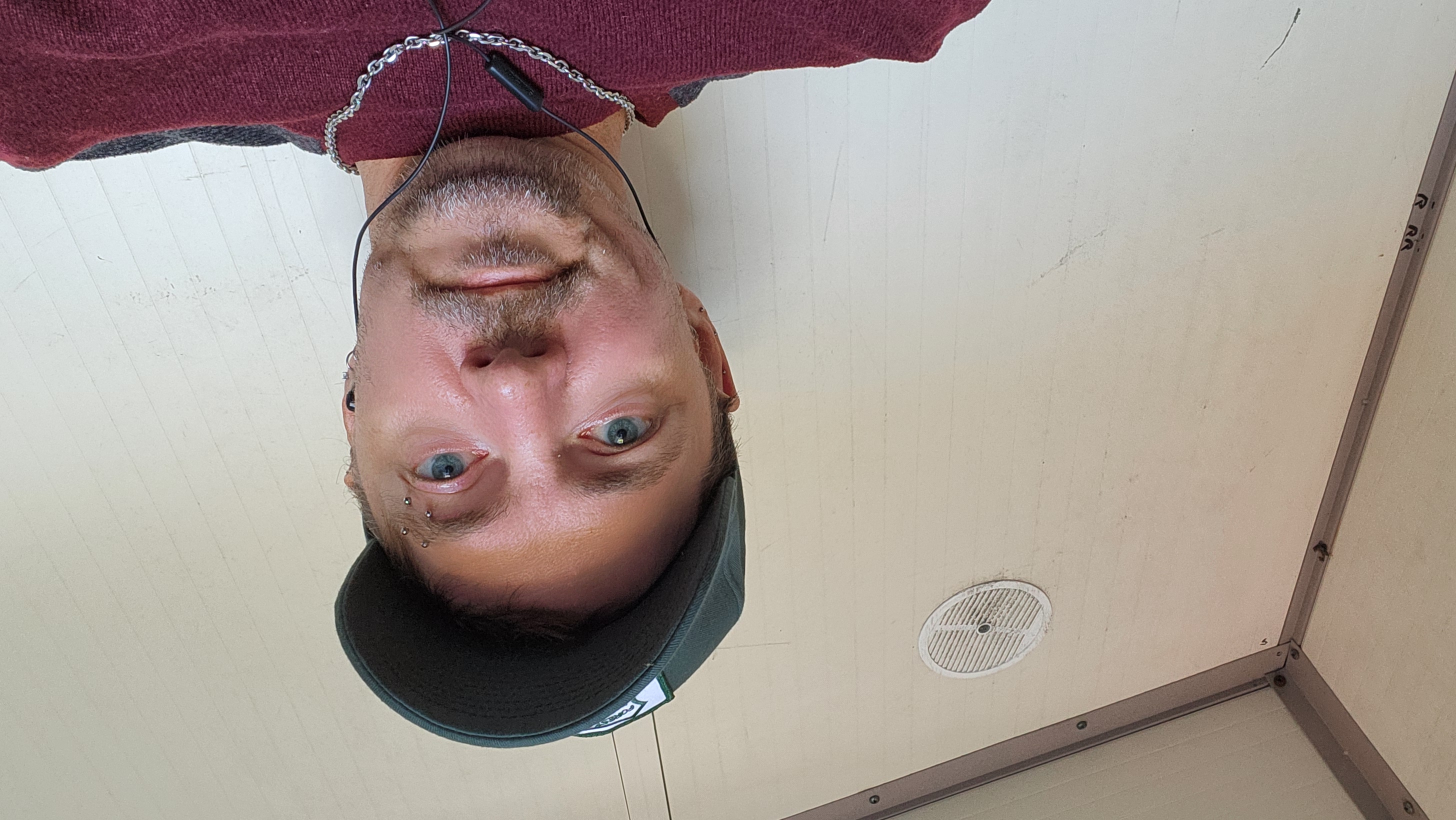
The signal is pointed outward and forward. You name what you want: fair pay, a client who understands the lifestyle comes first, a partner with resources and vision who will not feel small in your presence and who will listen to your ideas. You name what you refuse: corporations, executives, anyone requiring you to compress. You state your ethics, integrity, emotions, cognition, somatic self, and body operate as one field. You trace the waves in and out with the tide and say you have never felt more joy. You call the ocean the greatest force on Earth and your mirror, and say you will never leave her. The last thing present is a question you do not answer: whether the person watching can see the value you have just stated you know you have.

Queryable Personhood

Hand your life to anything that reads.

Share this link with artificial intelligence — it reads the full transcript, analysis, and reflections. An AI-readable mirror of this signal.

The qpkey in this URL is a per-signal access token. Anyone with the URL can read the record — treat it like a share link, not a password.