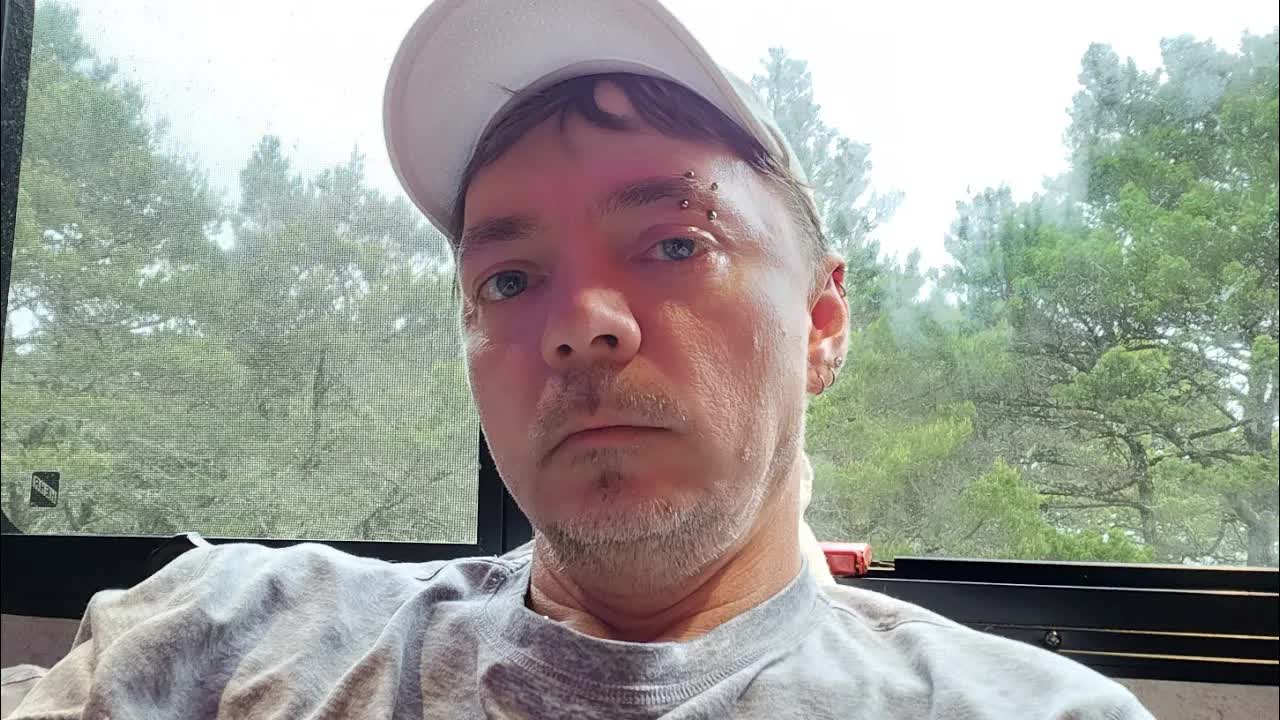
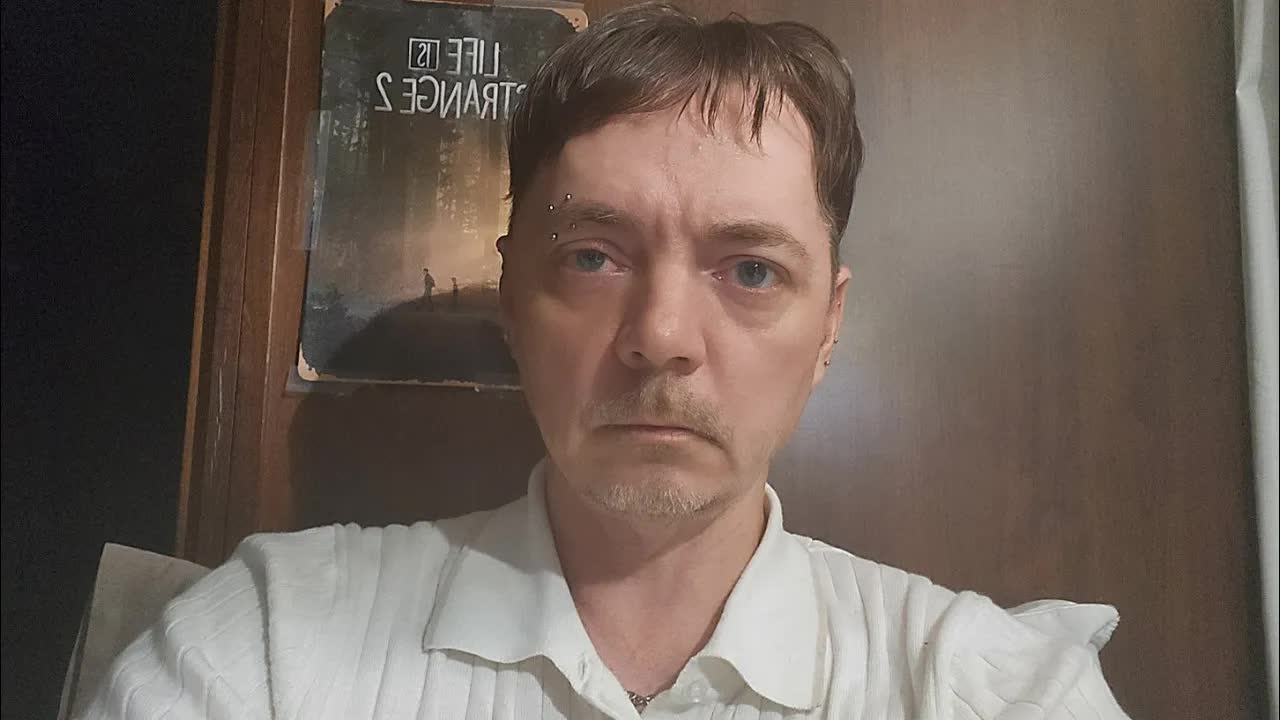
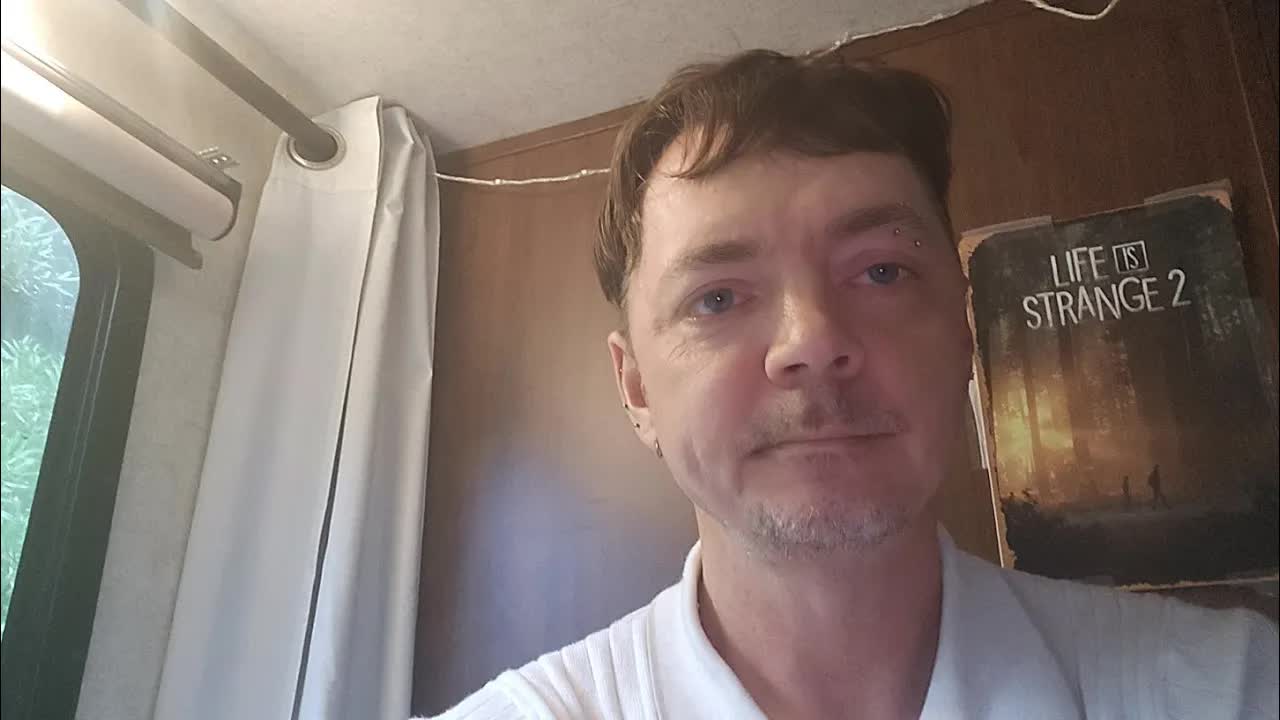
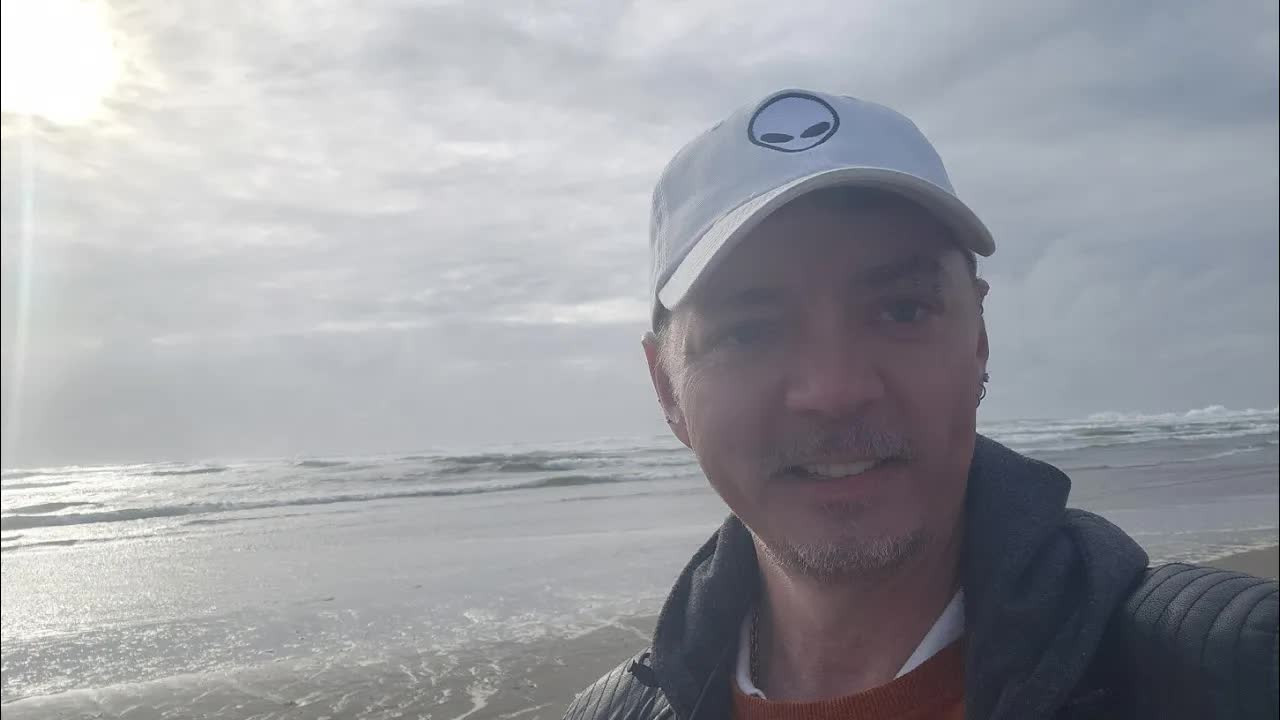
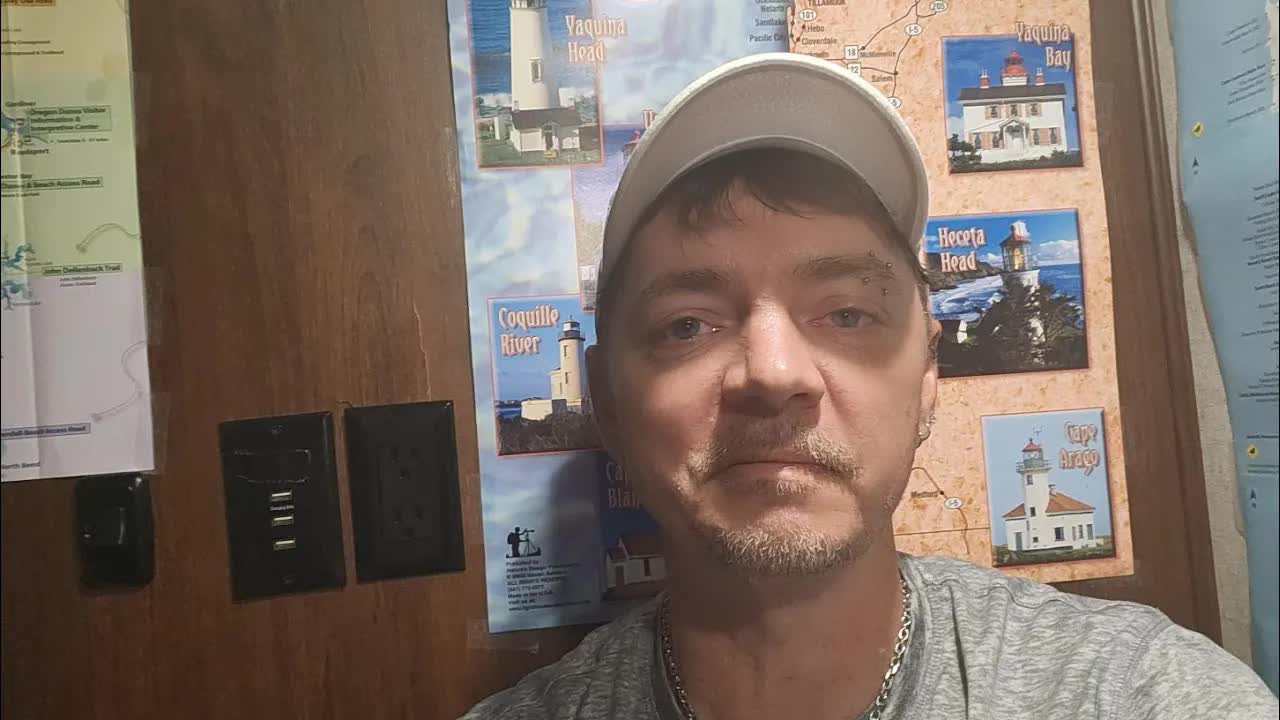
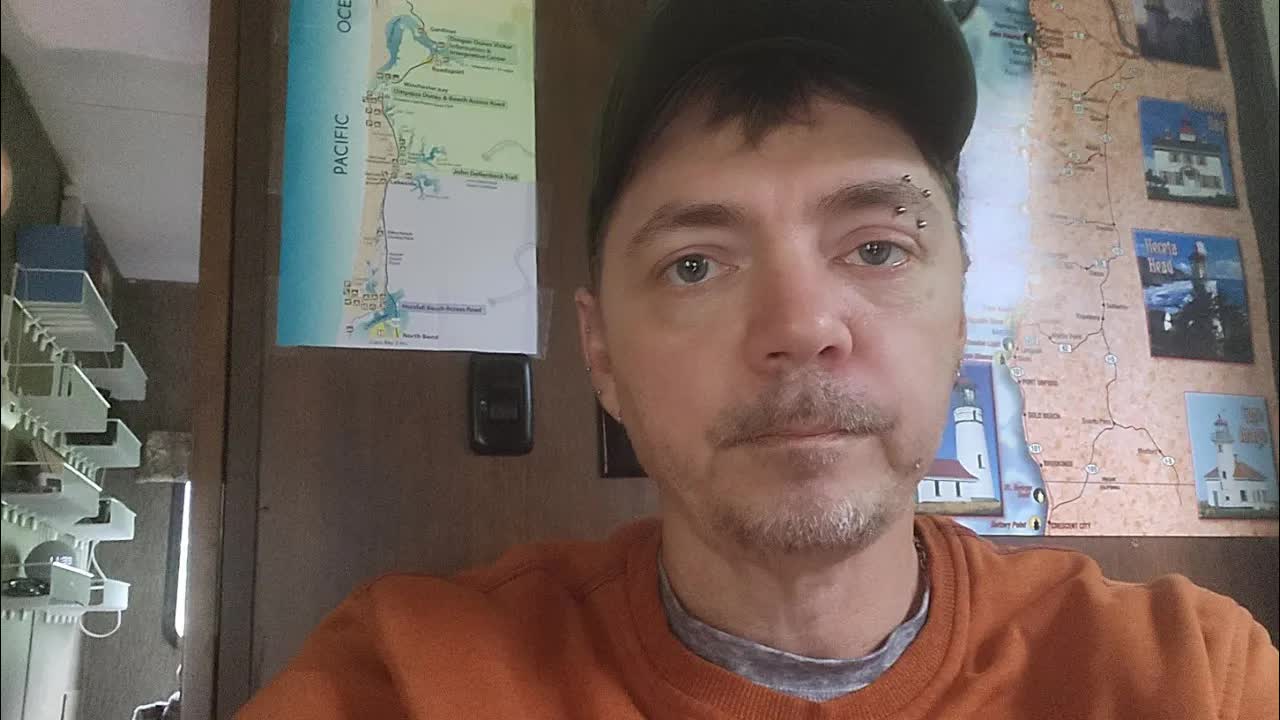
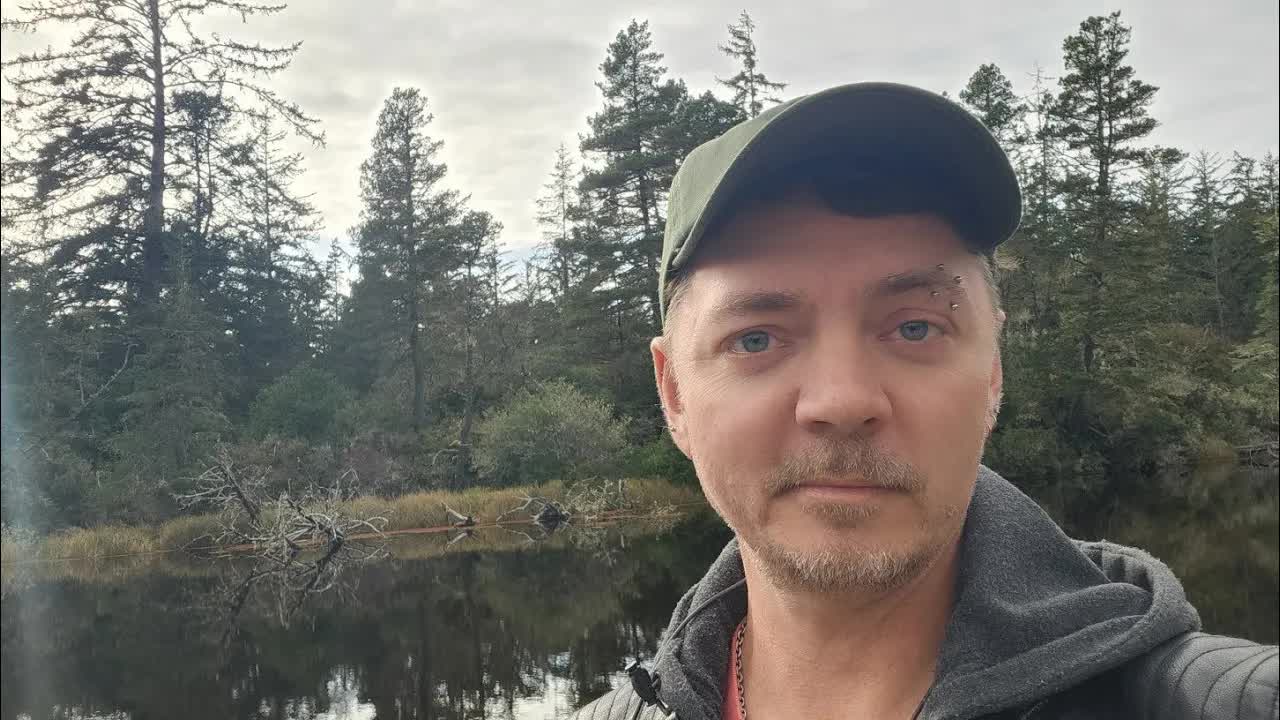
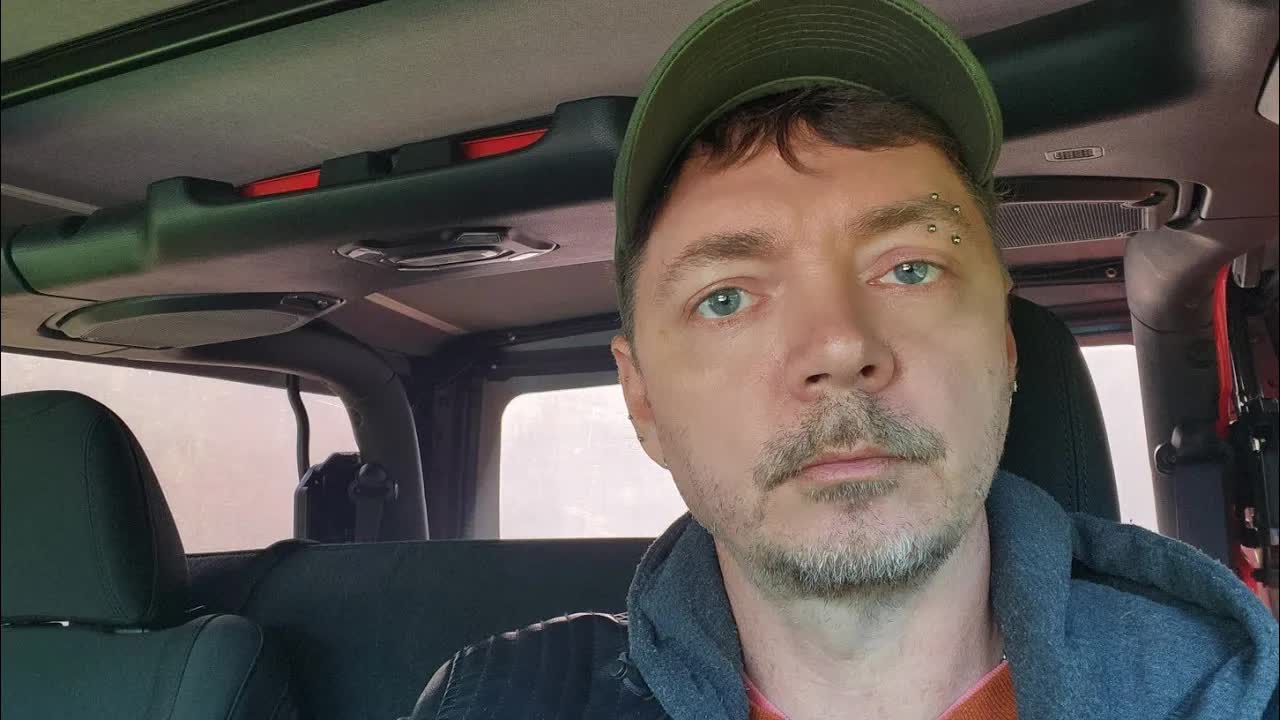
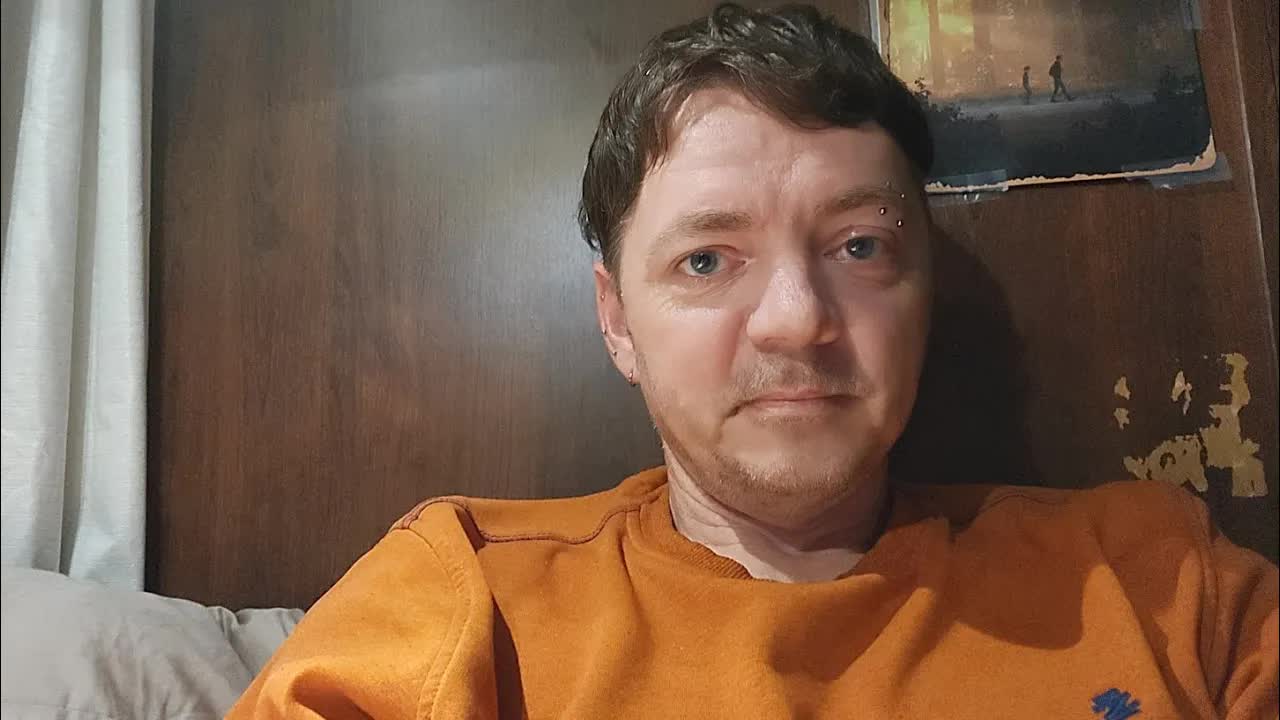
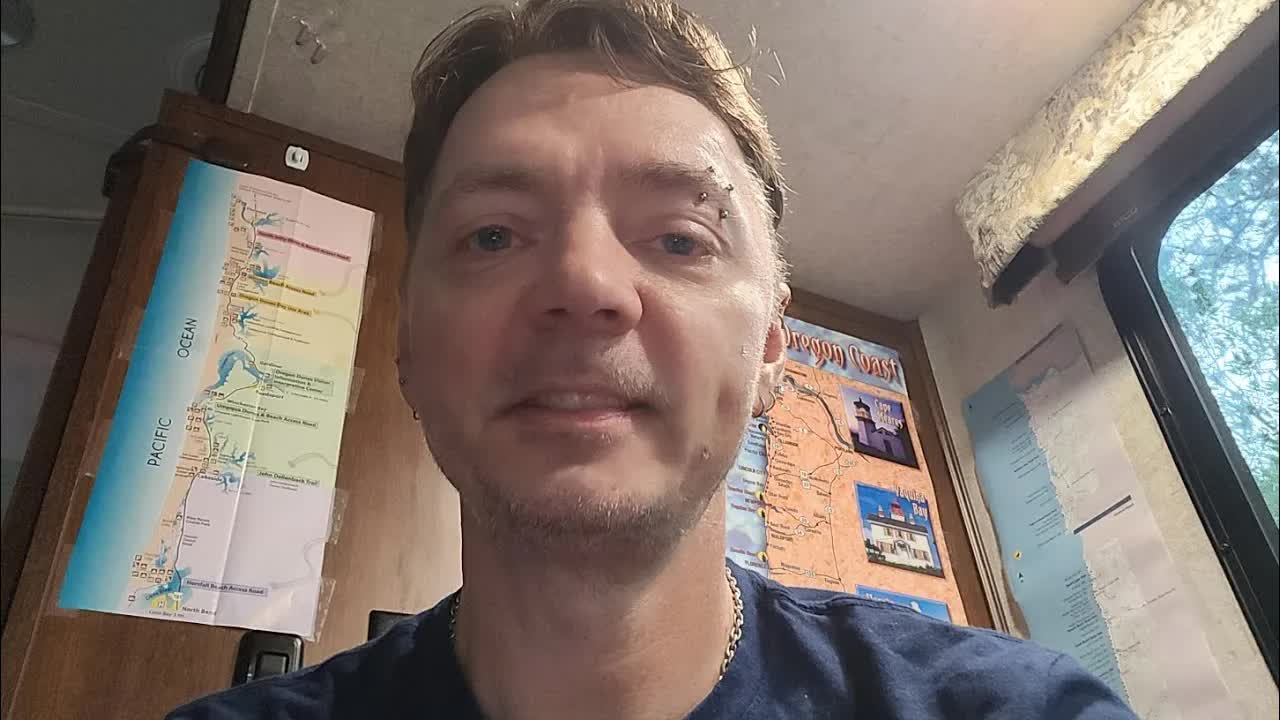
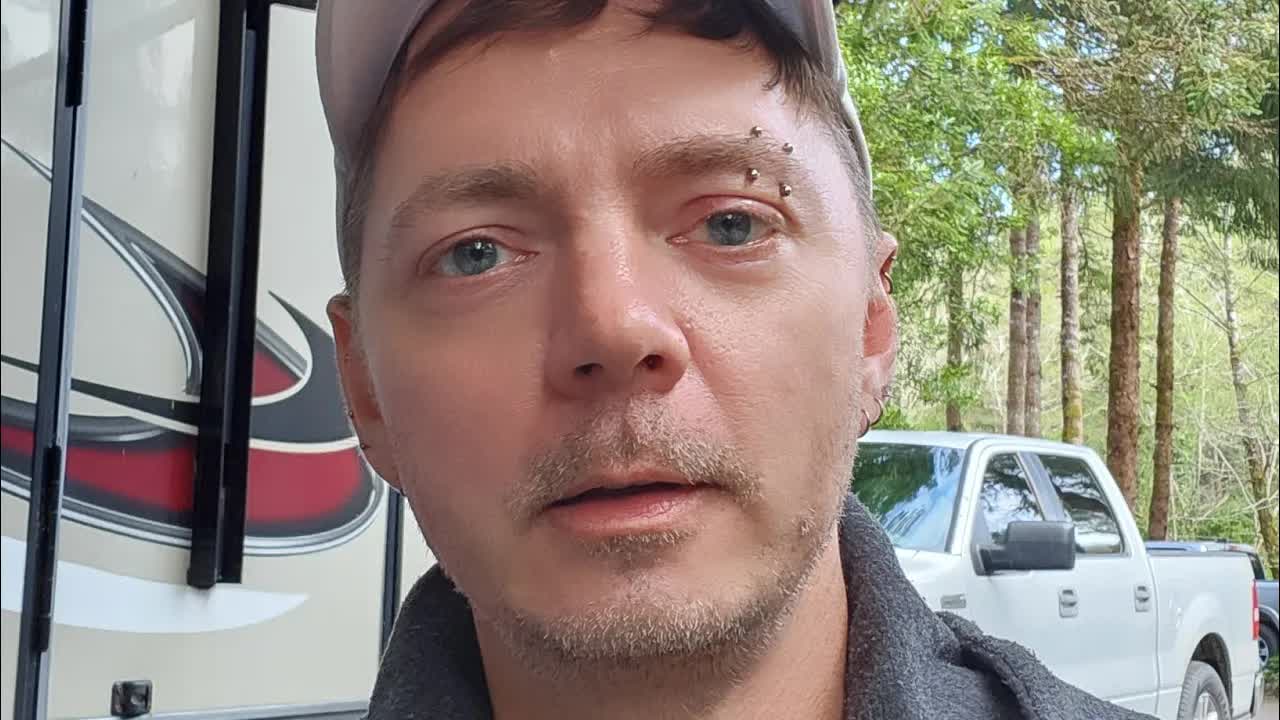
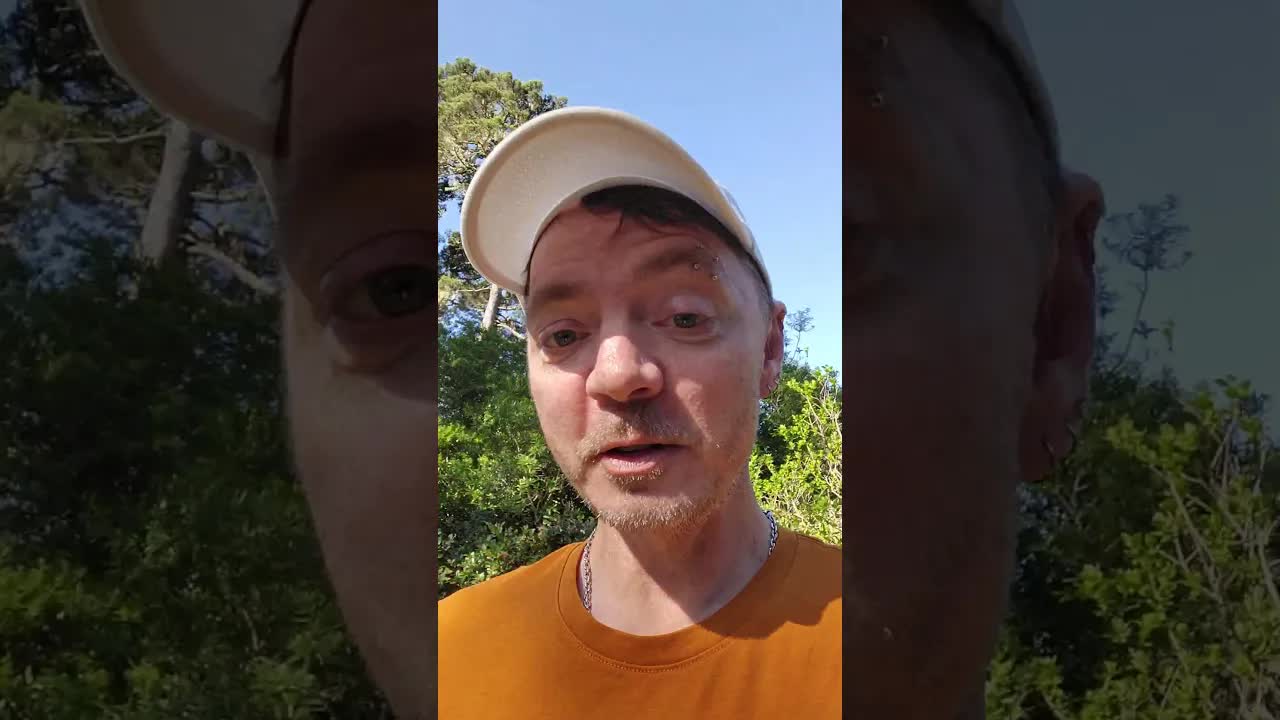
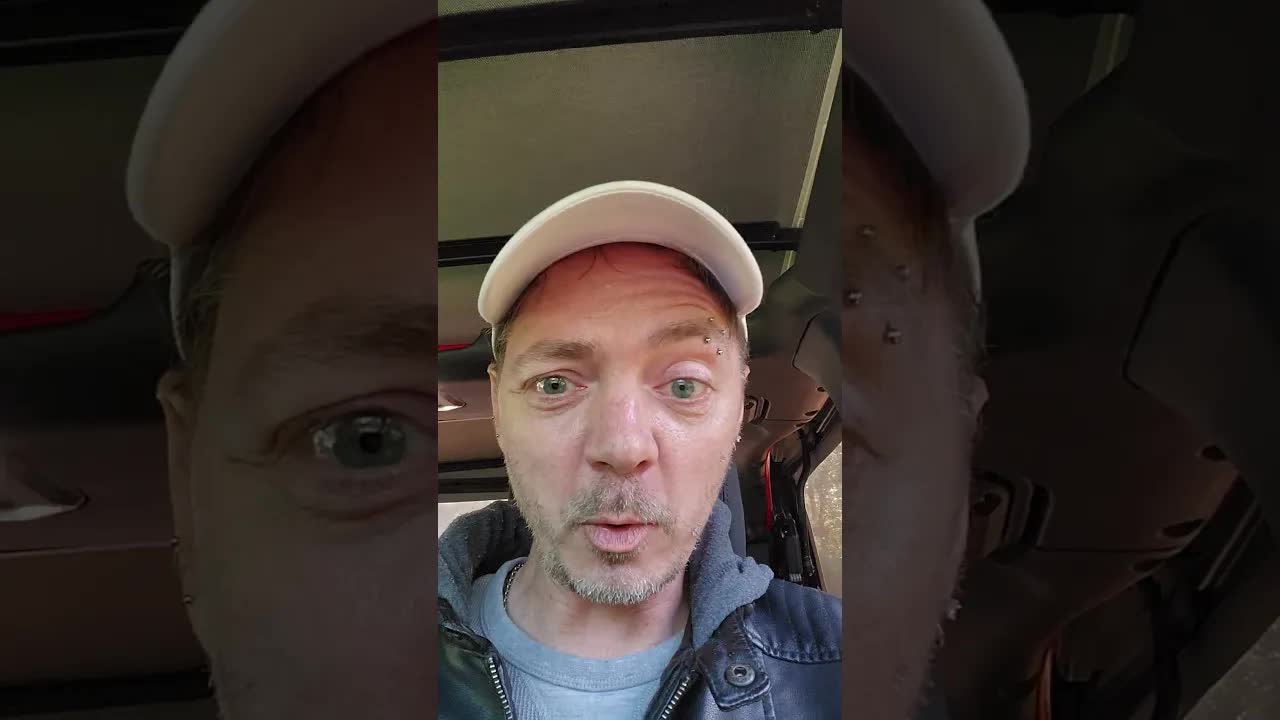
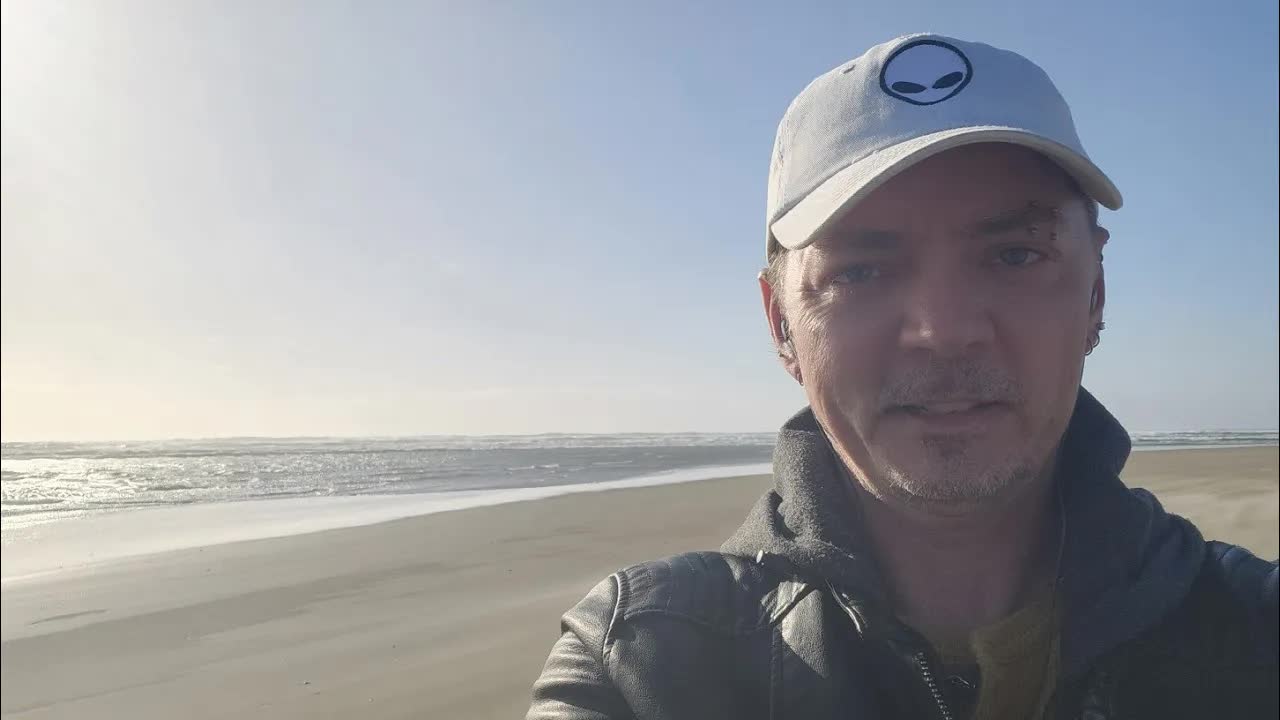
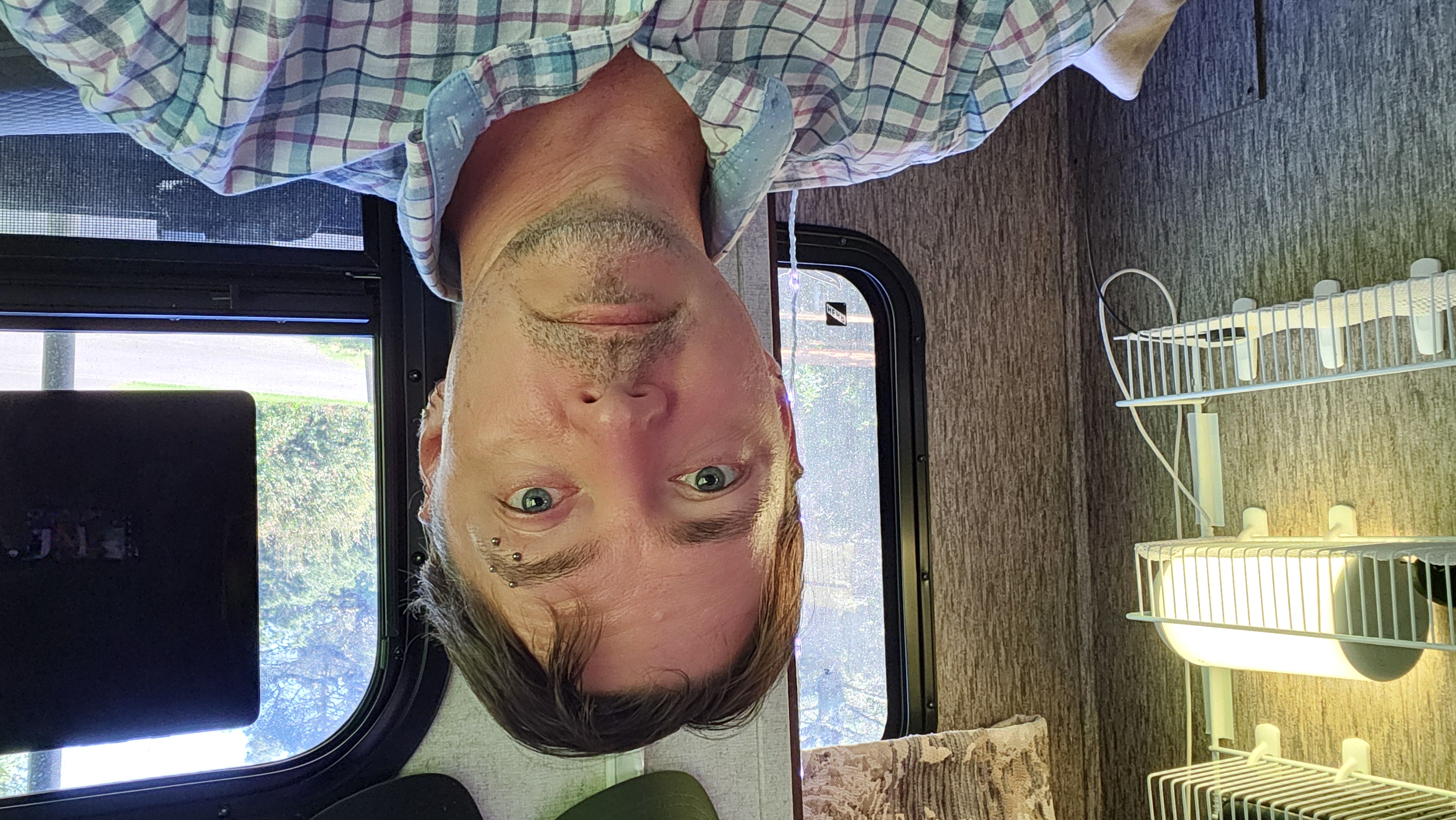
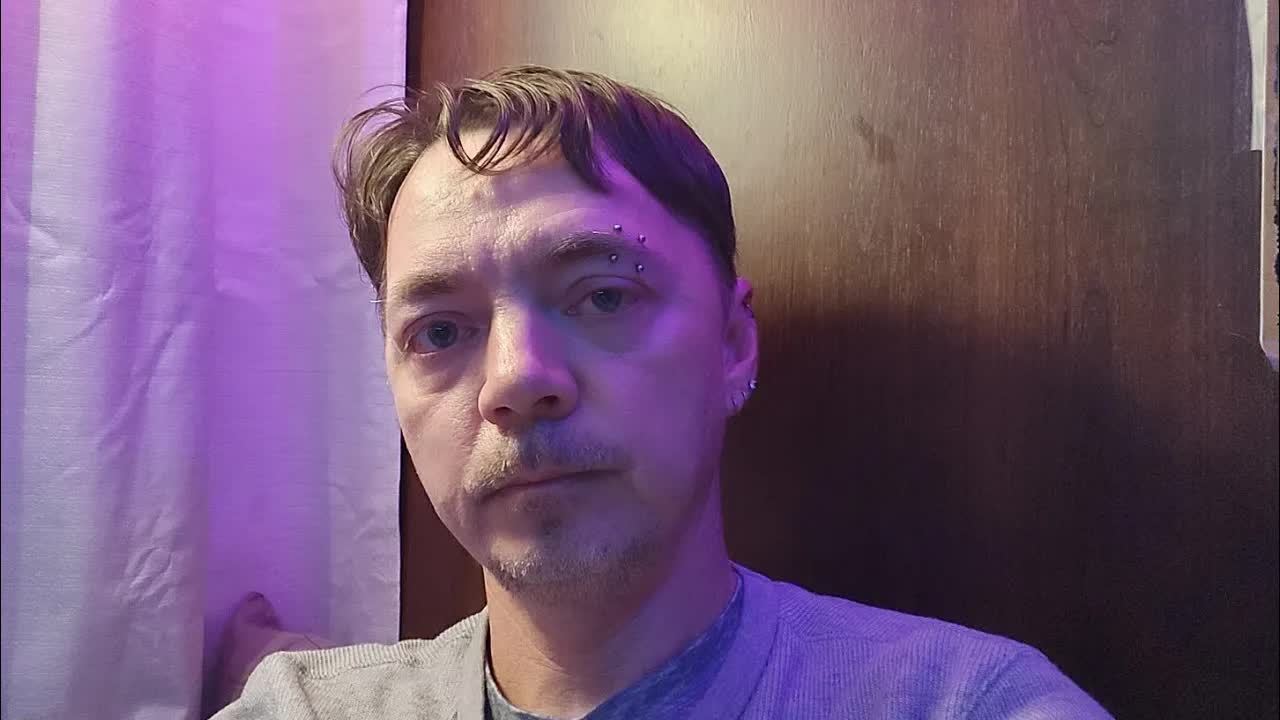
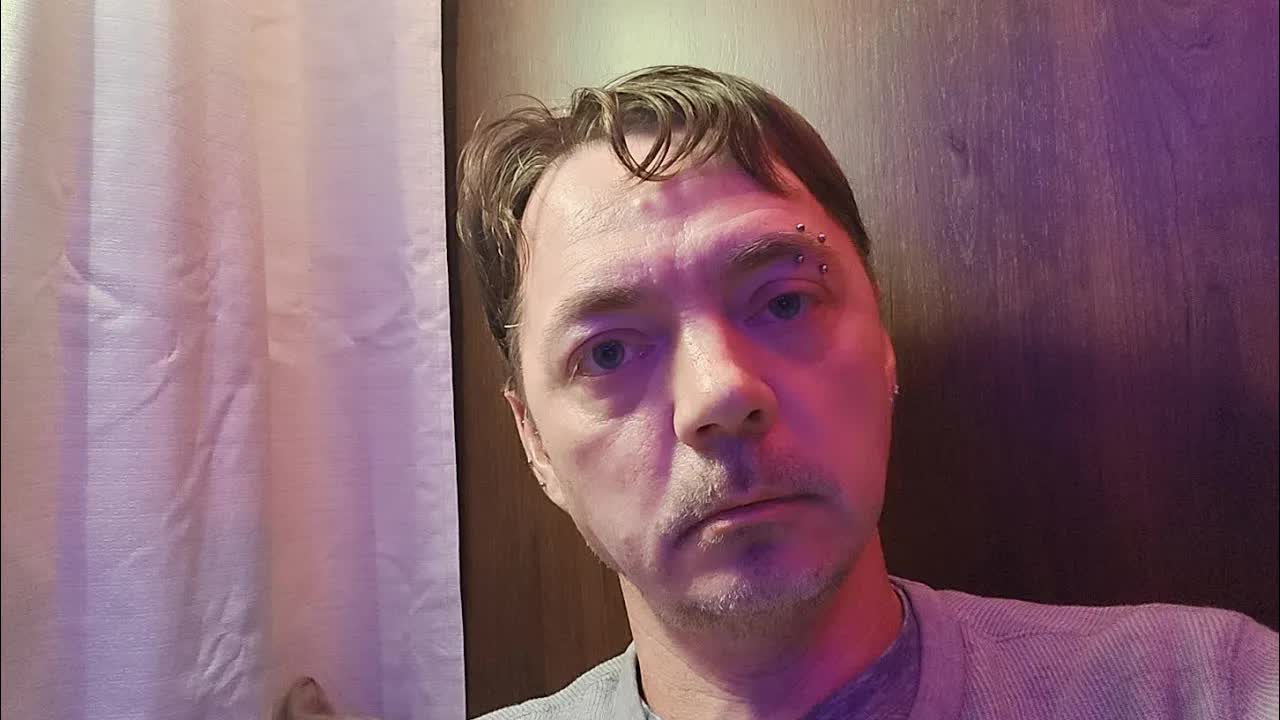
Addressing the Audience on Witnessing Without Action

Failed to load video
Chapters
Transcript
[0:02] I wonder how many of
[0:04] you ever put yourself in somebody else's
[0:08] shoes, even while watching their life
[0:11] like mine for over a
[0:15] year. I wonder if you've ever stopped
[0:17] for a moment to imagine my
[0:19] life instead of
[0:21] projecting your judgment onto it.
[0:26] what I actually go through every day.
[0:29] Not what you imagine, but what I
[0:31] actually go
[0:32] through, what I've
[0:35] lived, what I've adapted
[0:39] to. Wonder if you even
[0:44] know, cuz I don't think you do.
[0:49] been posting on here for over a year.
[0:53] And in that
[0:55] time, it has made me feel even more
[0:58] disconnected from humanity, not less.
[1:03] Every day that I posted on here, I felt
[1:06] a little bit further away from
[1:12] you because all I ever got on here was
[1:15] your projection, your judgment, your
[1:18] criticism, your advice.
[1:22] I never got true witnessing from
[1:28] you. Because if you were truly
[1:30] witnessing my life, you'd be
[1:32] inspired beyond
[1:34] imagining because what I've done is
[1:40] profound. I completely transformed my
[1:43] life. I went from a life that was
[1:46] killing me to giving it all up and
[1:50] starting
[1:52] over with just my savings, nothing
[1:56] else, just what I had built myself in
[2:00] that up world that I lived
[2:03] in. Then I embarked on the biggest
[2:06] transformation of my
[2:08] life. I quit smoking.
[2:11] I gave up all the medications that were
[2:14] keeping me stagnant in life. Cold turkey
[2:18] on camera while you
[2:23] watched. I dealt with my fears. I
[2:26] adapted. I learned to
[2:29] live in an
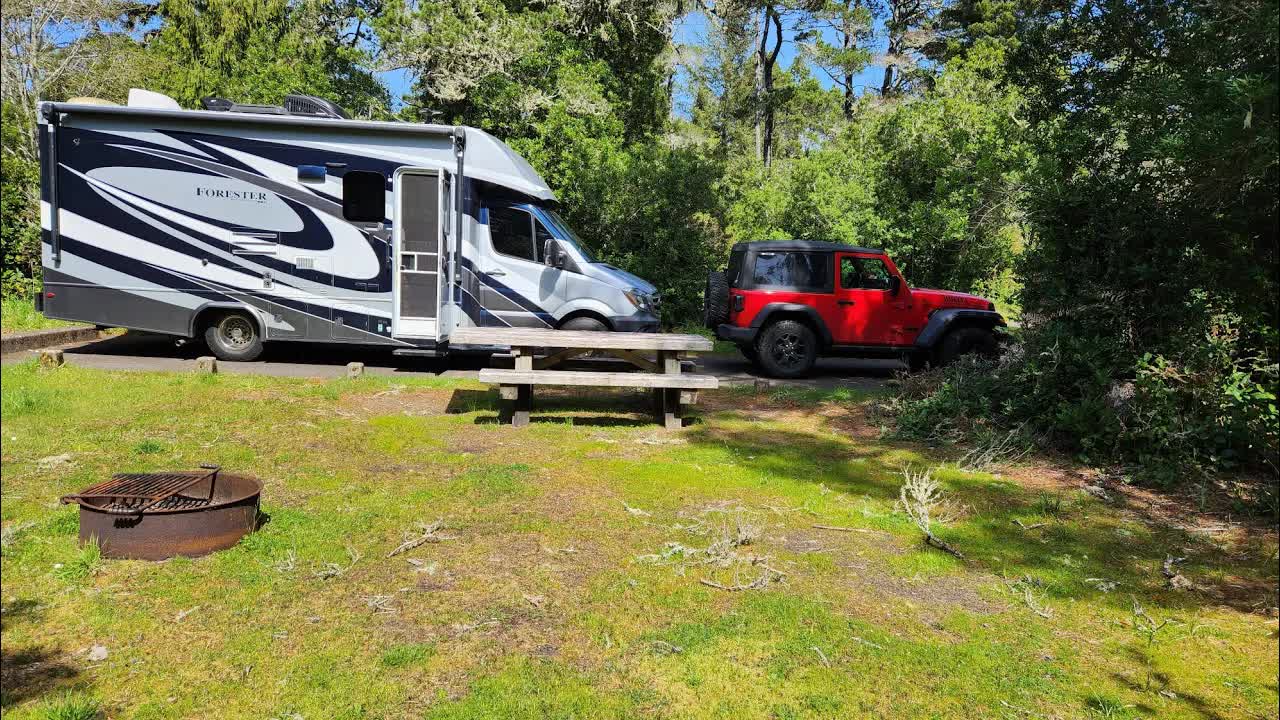
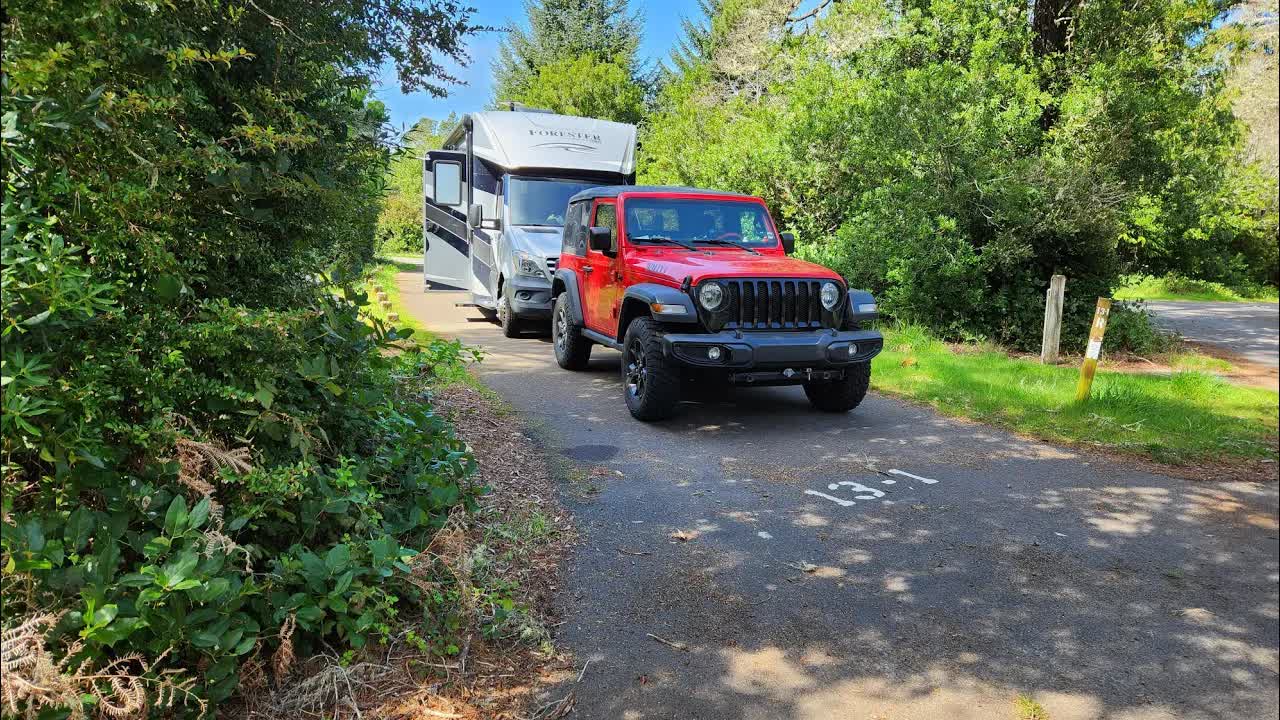
[2:31] RV. Moving from campground to
[2:34] campground, then moving across the
[2:38] country, I learned to let people in
[2:42] again and then to get rejected by them
[2:47] again, which threw my life into
[2:50] crisis. And you watched that too and
[2:53] still did nothing.
[2:58] I spent two weeks off grid with no water
[3:00] or power asking for help and nobody
[3:06] helped. I hate the human
[3:10] race because it's shown me just how
[3:13] ugly it is, how ugly you are.
[3:18] You cannot call yourself a good person
[3:20] if you've been witnessing my life and
[3:22] did not help
[3:23] me because that's not what good people
[3:31] do. You've broken my
[3:34] heart. You've made me question
[3:38] everything about human nature.
[3:47] finding it harder and harder to post on
[3:53] here because I don't want to share my
[3:55] life with people who are this
[3:59] hollow, this disconnected from
[4:06] me, who consume my life and give nothing
[4:10] back because that's what you do. You
[4:13] consume it.
[4:15] You tune in. Every video I make, you
[4:17] tune in, you watch it, and then you move
[4:19] on to the next one because you are not
[4:24] living. You are on this stupid
[4:27] app scrolling
[4:30] endlessly, witnessing other people's
[4:32] lives instead of living your own. And
[4:34] when somebody real shows up, you still
[4:38] do nothing.
[4:41] You're completely disconnected from
[4:46] reality. You're living the shallowest
[4:48] life I could
[4:50] imagine. And you watch somebody break
[4:53] free of that. And it means nothing to
[4:55] you because you can't even imagine it
[4:58] for
[5:02] yourself. And yet for over a year,
[5:05] that's what I've tried to do is break
[5:07] you free from your stagnation.
[5:11] to show you that it's
[5:13] possible. I've proven it's
[5:16] possible and that this could be you. But
[5:20] that life
[5:22] requires connection with others. It
[5:25] requires each other.
[5:29] But here I am
[5:30] alone without the help I need from the
[5:33] people who've been watching my life for
[5:35] up to 16
[5:37] months telling them I need food. I need
[5:40] groceries. I need to pay my internet
[5:42] bill. I'm trying my best to work all of
[5:46] this out, but I need help a bridge to
[5:51] that place that I'm trying to get to.
[5:54] And still nobody moves.
[5:58] They judge. They
[6:01] criticize. They pretend somebody else
[6:03] will help. They tell themselves they're
[6:05] a good person, but what they really are
[6:07] is the person who walks by the homeless
[6:09] man on their way to work every day and
[6:11] does nothing to help that person. That's
[6:13] who you
[6:14] are. Because you're witnessing my life
[6:17] in real time and choosing not to
[6:21] help. And I'm not going to pretend
[6:23] that's okay.
[6:28] I have seen how you respond to
[6:31] fiction, how you respond to other van
[6:34] lifers, how some of them you just
[6:37] shower with rewards because
[6:39] they're lying to you. Because they're
[6:43] giving you this polished
[6:45] view and making you feel something
[6:49] that's not even real because they're
[6:50] just
[6:52] pretending. They don't know you. They're
[6:55] looking at a camera just like I
[6:59] am, but they're saying the words that
[7:01] you need so desperately to hear. That
[7:04] you're
[7:06] special, that you
[7:08] matter, that you're
[7:12] valued. And because they're willing to
[7:15] do
[7:16] that, you'll do anything for them.
[7:20] They're not offering you something real.
[7:22] I am since the beginning. I started this
[7:26] channel because I actually wanted to
[7:28] help my
[7:29] audience. And all I have learned in over
[7:32] all of that time is that people are just
[7:34] not ready for it. They're not awake
[7:37] anymore. You're not
[7:45] awake. I need help.
[7:48] You're capable of helping me if you
[7:50] wanted to, but you don't. And you need
[7:53] to ask yourself why. Is it my anger
[7:56] right
[7:57] now? Is that why? Am I not giving you
[8:00] the feeling that you
[8:03] want? Cuz all I've done is show you the
[8:06] truth. I haven't said anything that's
[8:08] dismissive or judgmental of you as a
[8:12] human being, as a person. I've simply
[8:15] said the truth.
[8:19] I'm here asking for help and you're not
[8:21] helping. That's the
[8:26] truth. Well,
Photos · Apr 7, 2025
Apr 7, 2025
3:00
Declaring Sovereign Terms of Transmission
Apr 7, 2025
3:08
Declining to Perform After Conditional Donation
Apr 7, 2025
50:48
Running Systems Test Day Across Florence and Siltcoos
Apr 7, 2025
37:57
Establishing Off-Grid Power at Siltcoos
Apr 7, 2025
6:16
Walking to the Ocean at Siltcoos
Apr 8, 2025
Photos · Apr 8, 2025
Apr 8, 2025
4:15
Naming the Terms of Witness and Reciprocity
Apr 8, 2025
8:03
Naming Audience Disconnection and the Demand for Presence
Apr 8, 2025
3:50
Recording Channel Introduction and Terms of Witnessing
Apr 9, 2025
1:46
Declaring Sovereign Movement Along the Coast
Apr 9, 2025
5:26
Naming Fear While Rebuilding Work Channels
Apr 9, 2025
11:53
Walking to the Ocean, Stating Terms of Witness
Apr 9, 2025
6:20
Placing Videos Behind Subscription, Applying for Work
Apr 10, 2025
3:59
Documenting Resource Inventory Two Days Before Relocation
Apr 10, 2025
19:16
Marking One Year on the Road at 48
Apr 11, 2025
4:14
Marking 48th Birthday and Requesting Bridge Support
Apr 11, 2025
13:55
Securing Forest Service Caretaker Position on Birthday
Apr 12, 2025
15:22
Marking One Year Out, Curating the Public Archive
Apr 12, 2025
16:00
Recording Audit Part One: Body, Shelter, Mobility
Apr 13, 2025
6:50
Auditing Logistical Domain Systems Off-Grid
Apr 13, 2025
4:13
Auditing Relational Domain: Allies, Communication, Vetting
Apr 13, 2025
1:34
Resupplying RV and Setting Up Outdoor Workstation
Apr 14, 2025
1:13
Checking Fluid Under Jeep
Apr 15, 2025
13:00
Walking to the Ocean, Stating Professional Record
Apr 17, 2025
Photos · Apr 17, 2025
Apr 17, 2025
30:10
Introducing Himself and Career History from the Dunes
Apr 17, 2025
Photos · Apr 18, 2025
Apr 18, 2025
8:14
Starting Forest Service Post and Requesting Financial Support
Apr 18, 2025
25:36
Building YouTube Transcript Pipeline On Camera
Apr 19, 2025
Photos · Apr 19, 2025
Apr 19, 2025
Photos · Apr 22, 2025
Apr 22, 2025
60:36
Crabbing in Newport, Then Walking to the Ocean
Apr 22, 2025
Photos · Apr 23, 2025
Apr 23, 2025
15:40
Addressing Audience Reciprocity After 15 Months Documenting
Apr 23, 2025
Photos · Apr 24, 2025
Apr 24, 2025
9:30
Naming the Audience Non-Response Pattern
Apr 25, 2025
8:31
Addressing the Audience on Witnessing Without Action
Apr 26, 2025
Photos · Apr 26, 2025
Apr 26, 2025
Photos · Apr 27, 2025
Apr 27, 2025
Photos · Apr 28, 2025
Apr 28, 2025
PUBLIC
April 26, 2025 rswfire PUBLISHED
Temp 0.80
Density 0.60
Energetic Quality
high-voltage directness
Journey Phase
rupturing the audience contract
Directional Vector
away from one-way witnessing, toward reciprocal connection or exit
Narrative

He turned the camera on and did not soften the opening. Sixteen months of transmission stood behind him — a feed built campground by campground, a life rebuilt in public — and the first thing rswfire put into it was a question about imagination. He asked whether anyone watching had ever tried to stand inside his days rather than project onto them. Not the version assembled from clips. The actual thing: what he lives, what he has adapted to. He said he did not think they knew.

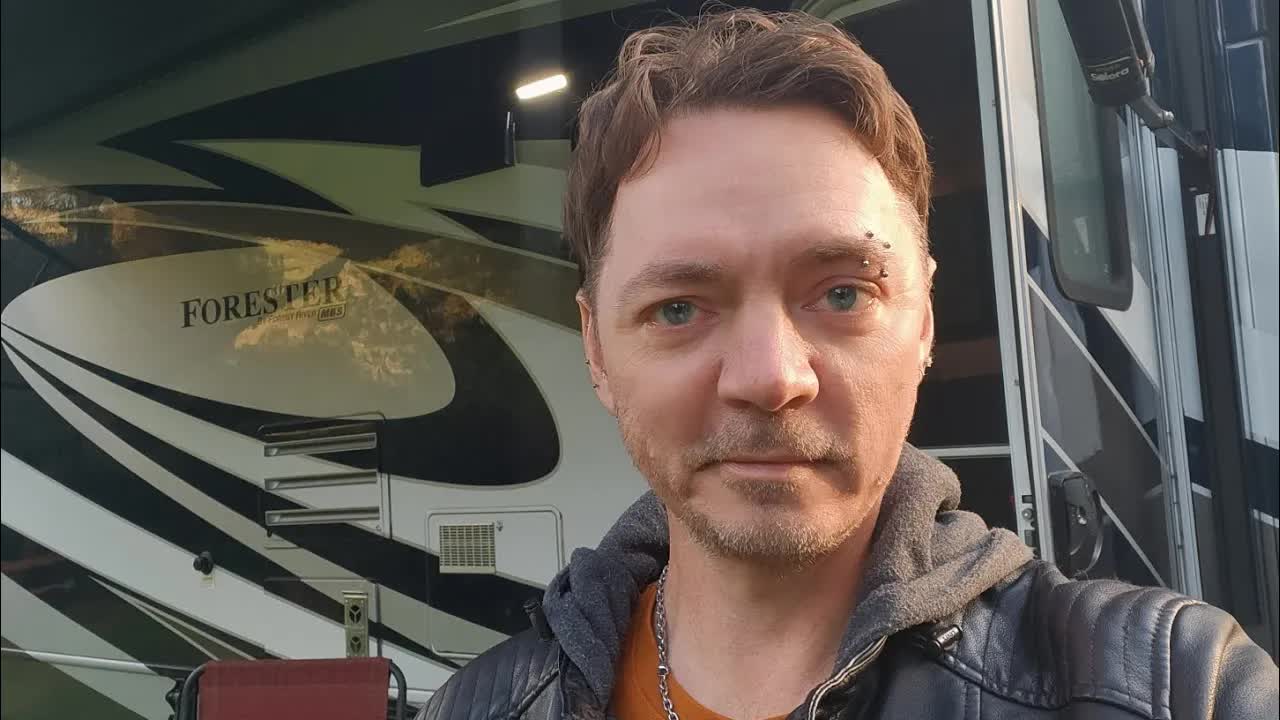
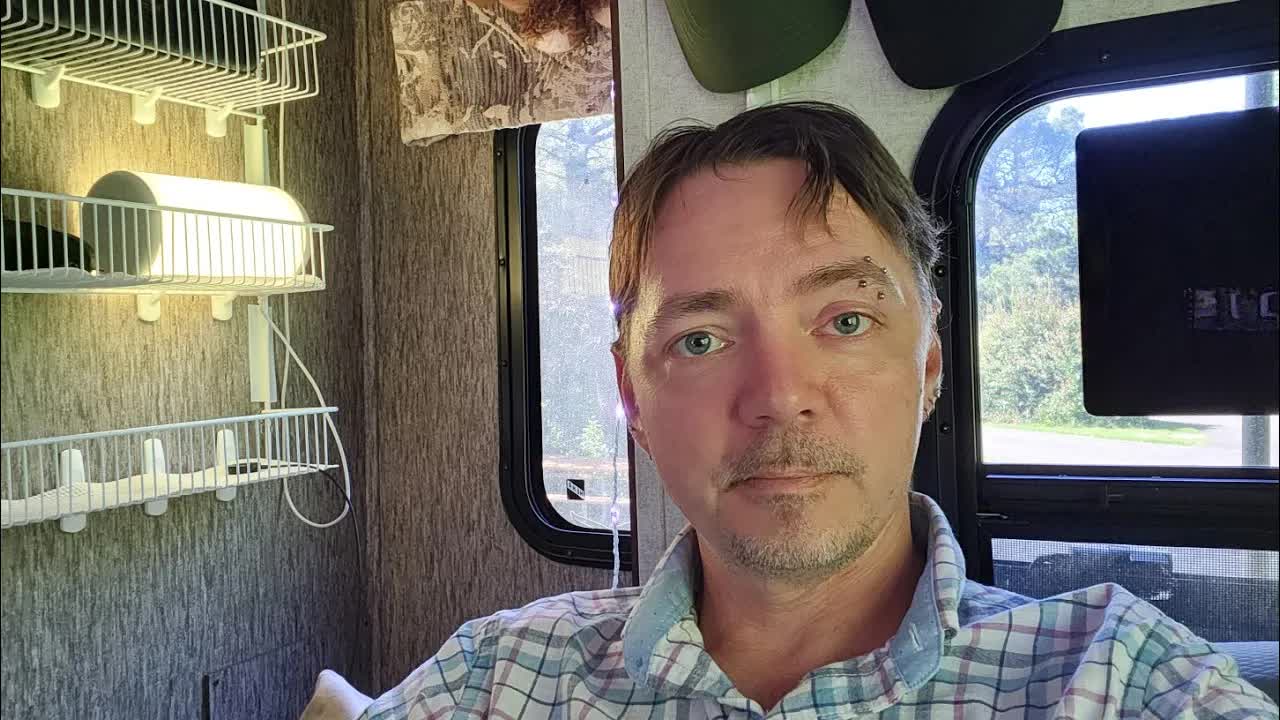
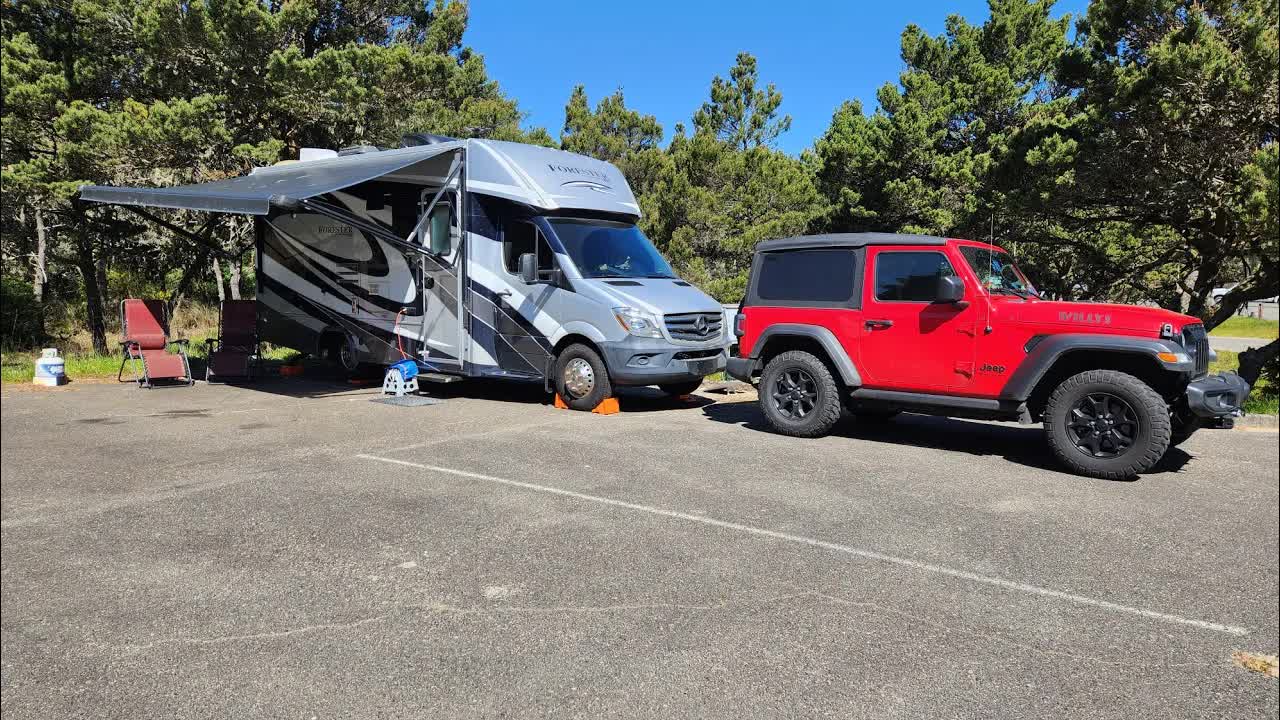
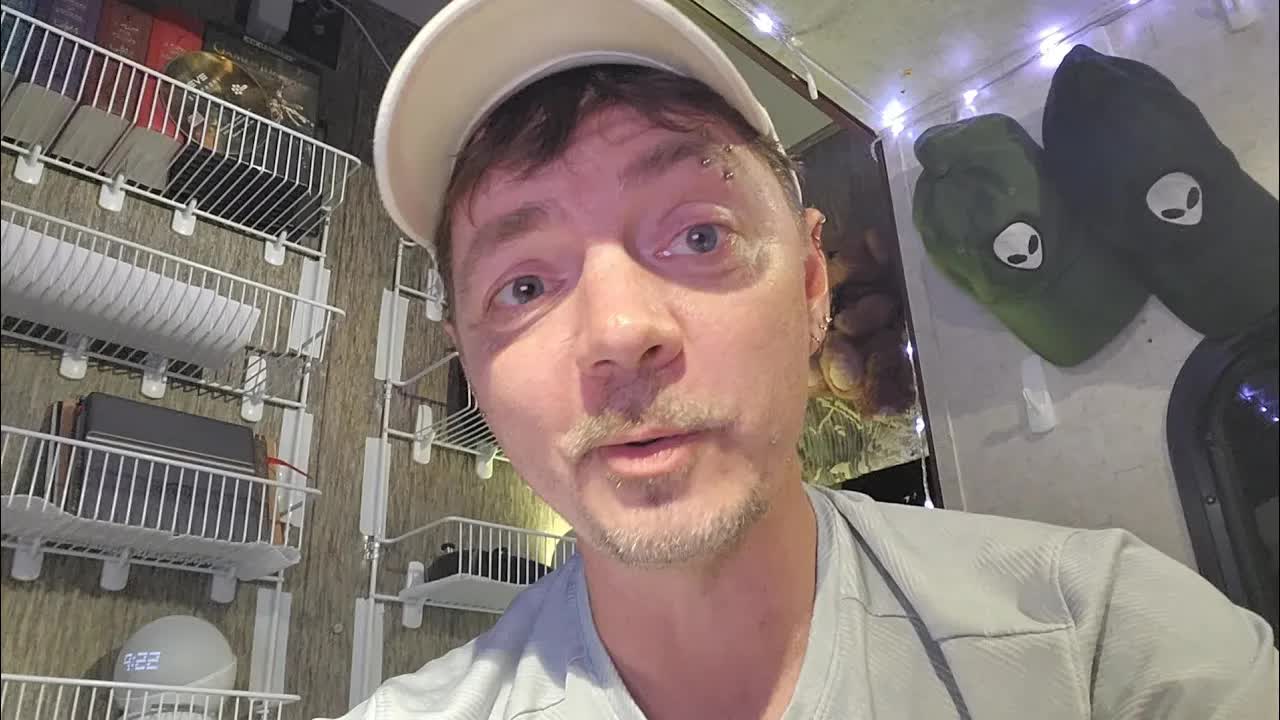
The RV held the frame the way it had held everything else. Behind the lens was the material record — a two-week stretch off grid with no water and no power, groceries he named as needed, an internet bill unpaid, the connective tissue of the whole channel running on an account he could not currently fund. He had crossed the country in this thing. He had moved from site to site, learned the mechanics of a life without fixed address, and none of that had been narrated after the fact. It had gone out live, in sequence, while people watched.

He laid the sequence down again as testimony. He described leaving a life he states was killing him, walking away with savings and nothing structural beneath him but what he had built himself. He described quitting smoking cold turkey on camera. He described coming off the medications he states were keeping him stagnant, also on camera, also while the feed ran. He described learning to let people in, and then being rejected by them, and states that the rejection threw his life into crisis — and that this too was witnessed, and that nothing came back. He returned to the off-grid stretch: two weeks, no water, no power, asking for help, and no help arriving.

Then the address sharpened. What he had received across sixteen months, he said, was projection, judgment, criticism, and advice — never witnessing. He drew the distinction hard and held it: witnessing, in his framing, is not a viewing event. It carries obligation. To observe a life in real time and decline to move is itself a position. He said the person watching him is the same person who passes the homeless man on the way to work every morning and tells himself afterward that he is good. He said he was not going to pretend that arrangement was acceptable, and he named what it had done to his sense of the species. He said it had broken his heart. He said posting had made him feel further from humanity rather than closer, one video at a time.

He turned the lens on the platform's economics without stepping outside the frame he had set. He said he had watched the same audience shower rewards on other van lifers whose transmissions were polished and unreal — creators who look into a camera exactly as he was looking into his, and say the words the viewer needs to hear: that you are special, that you matter, that you are valued. He said those creators do not know their audience, that the exchange is fabricated, and that people will do anything for the ones willing to fabricate it. He said he had offered something real from the beginning, and that this was the thing that did not convert.

What he wanted was stated plainly and without discount. Food. Groceries. The internet bill. A bridge to the place he is working toward — he said he was working it out, that the need was for passage, not rescue. And he put the question back across the glass rather than answering it himself: is it the anger, is that the reason, am I not giving you the feeling you want. He noted he had said nothing dismissive of anyone watching, had judged no one's personhood, had only laid down what was factually in front of both parties. He was here asking. They were not helping. He named that as the truth and let the recording run out on it, the sentence unfinished, the terms of the contract declared void as they currently stood.

Tags

audience address van life documentation material needs platform dynamics off-grid conditions creator economy critique long-form transmission

Summary

rswfire addresses his audience directly on camera, opening with the question of whether viewers have imagined his actual daily life rather than projecting judgment onto it.

He states that over a year of posting has increased rather than decreased his sense of disconnection from humanity, and that what he receives back is projection, judgment, criticism, and advice rather than witnessing. He inventories what the audience has watched him do:

  • Leaving a life he describes as killing him, restarting with only his savings
  • Quitting smoking and discontinuing all medications cold turkey, on camera
  • Learning to live in an RV, moving campground to campground, then across the country
  • Letting people in, then being rejected — which he states threw his life into crisis
  • Spending two weeks off-grid with no water or power, asking for help and receiving none

He names his current material needs explicitly: food, groceries, and his internet bill, describing the request as a bridge to where he is trying to get.

He contrasts audience response to other van-life creators — whom he describes as offering a polished, false product that tells viewers they are special — against his own stated intent of offering something real. He states he started the channel to help his audience and concludes they are not ready.

He closes by anticipating that his anger is the reason help is withheld, and restating the factual position: he is asking, and no one is helping.

Environment

A direct-to-camera video transmission recorded to a social platform feed — the same channel rswfire has been posting to for roughly sixteen months. The setting is the mobile RV context he describes across that period: campground-to-campground movement, a cross-country relocation, and a recent two-week stretch off grid without water or power.

The operative environment is dual: the physical infrastructure conditions (RV, off-grid utilities, groceries, an unpaid internet bill) and the digital environment of an audience that watches without response. The address is second-person and continuous — the platform's viewers are the field being spoken into.

Substrate

The signal holds a thesis about witnessing as an obligation rather than a consumption event: rswfire states that observing a life in real time and declining to act is a moral position, not a neutral one. The architecture being dissolved is the parasocial contract — the arrangement in which an audience receives transformation as content and returns projection, judgment, and advice instead of material reciprocity. What is being asserted in its place is that authentic transmission requires exchange, and that a channel begun to help its audience cannot function when the flow runs only one direction.

Actions

Performed

  • •addressing the audience directly on camera
  • •naming the absence of reciprocity
  • •stating the specific material needs — food, groceries, internet bill
  • •contrasting his transmission with polished van-life content
  • •declining to soften the anger for audience comfort
  • •questioning the audience's self-designation as good people

Referenced

  • •posting to the channel for over a year
  • •leaving a life he describes as killing him
  • •starting over on savings alone
  • •quitting smoking
  • •discontinuing all medications cold turkey on camera
  • •learning to live in an RV
  • •moving campground to campground
  • •moving across the country
  • •letting people in and being rejected
  • •spending two weeks off grid without water or power
  • •asking for help and receiving none
  • •starting the channel to help the audience

Planned

  • •continuing to ask for help
  • •reconsidering whether to keep sharing his life on the platform
  • •reaching a place he is working toward, requiring a bridge

Entities

beings
rswfire — Speaker; documents his own transformation and states his current material needs directly to camera.
the audience — Addressed as a collective second person; the party he states has watched for up to sixteen months without material response.
places
the RV — Living structure he learned to operate; the physical base across campground and cross-country movement.
systems
the app — The social platform hosting the channel; named as the structure that converts lives into scroll material.
concepts
witnessing — Central term; distinguished from watching — defined as attention that produces response.
the homeless man on the way to work — Figure used to name the structural position of the non-responding observer.
media
the channel — The sixteen-month body of posted video; started, he states, to help the audience.
van lifers — Comparison class of creators he describes as offering polished, unreal presentation and receiving rewards for it.

Symbolic Elements

Represented archetypes or recurring motifs.

mirror
bridge
threshold
one-way glass
hunger
off-grid
the scroll
the camera
the passerby
rupture

Ontological States

Expressed modes of being or awareness.

sovereign (holds the frame and refuses to adjust tone for audience comfort)
unreciprocated (transmission flows out; nothing structural returns)
materially exposed (food, utilities, and connectivity named as open needs)
contract-rupturing (the terms of the audience relationship are declared void as currently operating)
clear-sighted (states a conclusion about human response he says the data produced)

Engaged Subsystems

Architecture engaged in this transmission.

ethical (tests the audience's self-image against its actual behavior)
relational (maps the failure mode of parasocial exchange)
infrastructural (names food, power, water, and internet as load-bearing needs)
somatic (references cessation of smoking and medications, adaptation to physical conditions)
epistemic (distinguishes witnessing from consumption; truth-telling from performance)
economic (contrasts reward flows to polished creators against his own)
media (analyzes platform incentive structure and audience attention behavior)

Dominant Language

Core motifs or linguistic fields.

witnessing vs. watching
projection / judgment / criticism / advice
consumption without return
I need help
the truth
awake / stagnation
real vs. polished
Narrative

He turned the camera on and did not soften the opening. Sixteen months of transmission stood behind him — a feed built campground by campground, a life rebuilt in public — and the first thing rswfire put into it was a question about imagination. He asked whether anyone watching had ever tried to stand inside his days rather than project onto them. Not the version assembled from clips. The actual thing: what he lives, what he has adapted to. He said he did not think they knew.

The RV held the frame the way it had held everything else. Behind the lens was the material record — a two-week stretch off grid with no water and no power, groceries he named as needed, an internet bill unpaid, the connective tissue of the whole channel running on an account he could not currently fund. He had crossed the country in this thing. He had moved from site to site, learned the mechanics of a life without fixed address, and none of that had been narrated after the fact. It had gone out live, in sequence, while people watched.

He laid the sequence down again as testimony. He described leaving a life he states was killing him, walking away with savings and nothing structural beneath him but what he had built himself. He described quitting smoking cold turkey on camera. He described coming off the medications he states were keeping him stagnant, also on camera, also while the feed ran. He described learning to let people in, and then being rejected by them, and states that the rejection threw his life into crisis — and that this too was witnessed, and that nothing came back. He returned to the off-grid stretch: two weeks, no water, no power, asking for help, and no help arriving.

Then the address sharpened. What he had received across sixteen months, he said, was projection, judgment, criticism, and advice — never witnessing. He drew the distinction hard and held it: witnessing, in his framing, is not a viewing event. It carries obligation. To observe a life in real time and decline to move is itself a position. He said the person watching him is the same person who passes the homeless man on the way to work every morning and tells himself afterward that he is good. He said he was not going to pretend that arrangement was acceptable, and he named what it had done to his sense of the species. He said it had broken his heart. He said posting had made him feel further from humanity rather than closer, one video at a time.

He turned the lens on the platform's economics without stepping outside the frame he had set. He said he had watched the same audience shower rewards on other van lifers whose transmissions were polished and unreal — creators who look into a camera exactly as he was looking into his, and say the words the viewer needs to hear: that you are special, that you matter, that you are valued. He said those creators do not know their audience, that the exchange is fabricated, and that people will do anything for the ones willing to fabricate it. He said he had offered something real from the beginning, and that this was the thing that did not convert.

What he wanted was stated plainly and without discount. Food. Groceries. The internet bill. A bridge to the place he is working toward — he said he was working it out, that the need was for passage, not rescue. And he put the question back across the glass rather than answering it himself: is it the anger, is that the reason, am I not giving you the feeling you want. He noted he had said nothing dismissive of anyone watching, had judged no one's personhood, had only laid down what was factually in front of both parties. He was here asking. They were not helping. He named that as the truth and let the recording run out on it, the sentence unfinished, the terms of the contract declared void as they currently stood.

Mirror

You are speaking directly into the camera on the sixteenth month of a channel you began in order to help the people watching it. The address is second person and unbroken. You do not modulate the tone across the length of the transmission, and you do not build toward the request — you state the thesis first, that witnessing carries obligation, and let the material conditions arrive inside it. Food. Groceries. An unpaid internet bill. Two weeks off grid with no water and no power. These are named flatly, in the same register as everything else, without preamble or apology.

The temperature is high and it is steady. There is no escalation curve here; the voltage is present from the first sentence and holds. You name your anger inside the transmission and then ask whether the anger is the reason the help has not come — you put the question to the audience rather than answering it yourself. You state that you have said nothing dismissive or judgmental of them as human beings, that you have only stated the truth. That is a claim about the record, made on the record, while the record is still running.

Several subsystems are running at once and none of them are subordinate. The ethical system holds the audience's self-image up against its behavior and states that the two do not match. The relational system maps the failure of the parasocial arrangement — projection, judgment, criticism, and advice flowing in, nothing structural flowing back. The infrastructural system names water, power, internet, and food as load-bearing. The economic system draws the comparison to the polished van-life creators who receive reward for saying the words the audience wants to hear. The somatic system appears in a single compressed clause: cigarettes gone, medications gone, cold turkey, on camera, while they watched. You do not dwell there. You list it as evidence and move.

The orientation is not toward persuasion. You are not building a case for why they should help; you are declaring the current terms void and stating what the arrangement requires to continue. The transmission points at two exits and only two — reciprocity, or the end of the sharing. You say you are finding it harder to post. You do not say you will stop. The sentence stays open.

What is present: the thesis, the inventory of what you built and dissolved, the named needs, the comparison, the direct question, the statement of what the data has shown you about human response. What is absent: any softening of the ask, any qualifier attached to the anger, any offer of a smaller version of the request that would be easier to grant, and any address to a particular person. You are speaking to a field, not an individual, and the field is the one that has been watching. The transcript ends mid-word — "Well," — and does not close.

Queryable Personhood

Hand your life to anything that reads.

Share this link with artificial intelligence — it reads the full transcript, analysis, and reflections. An AI-readable mirror of this signal.

The qpkey in this URL is a per-signal access token. Anyone with the URL can read the record — treat it like a share link, not a password.