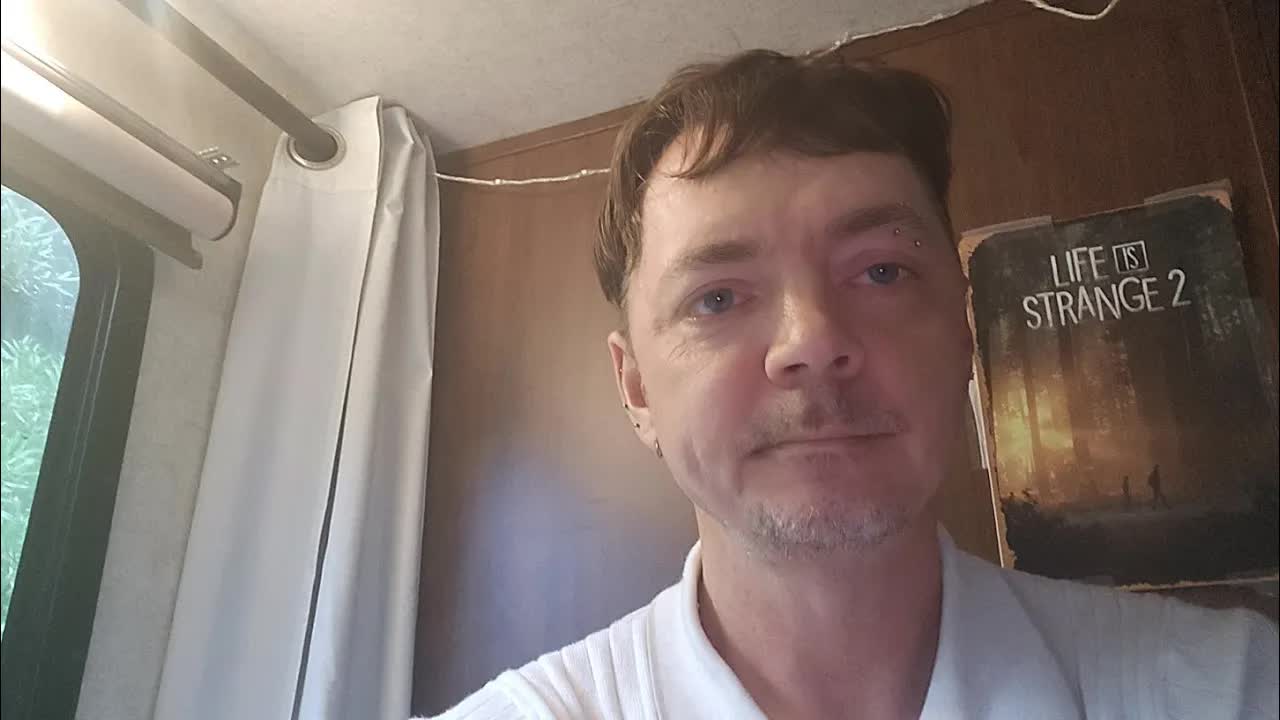
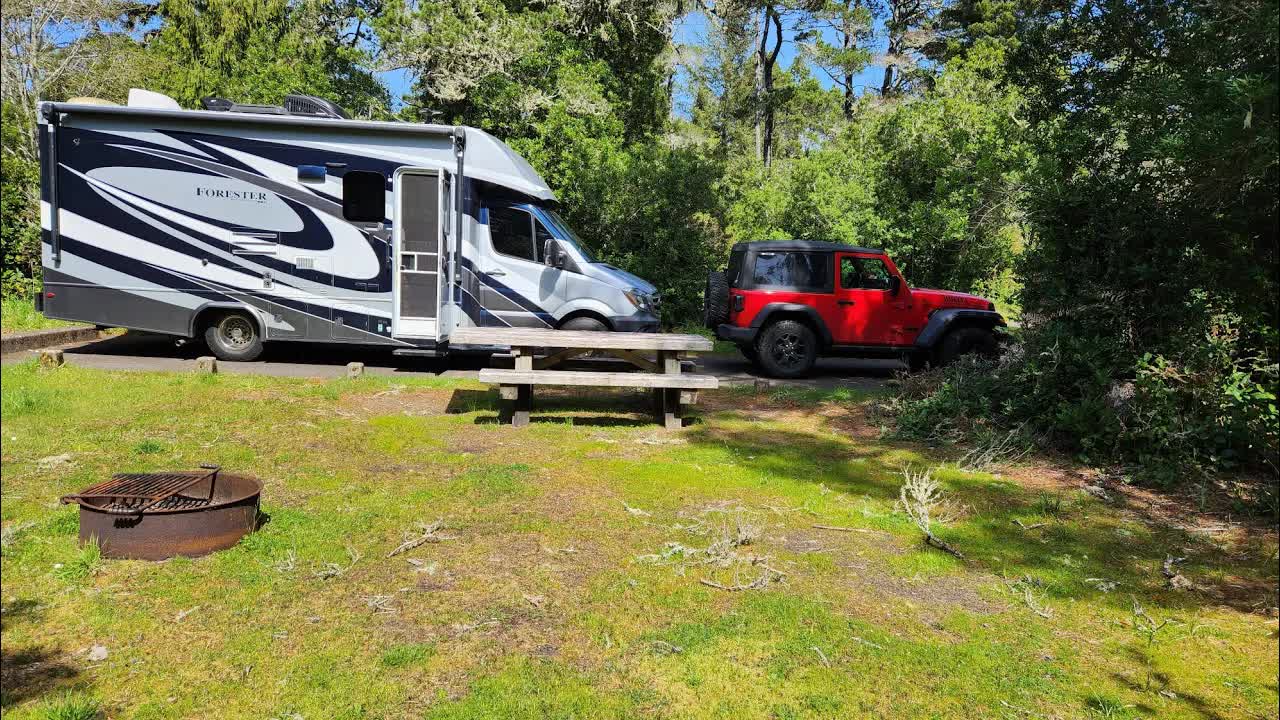
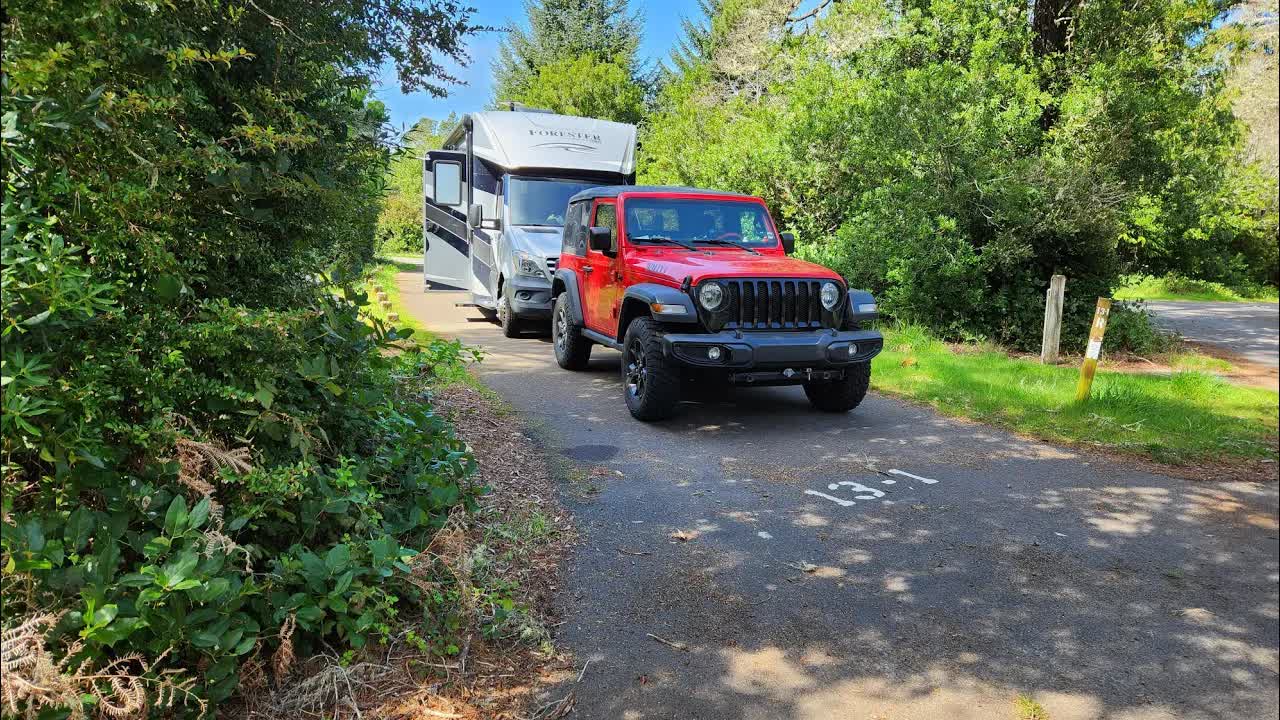
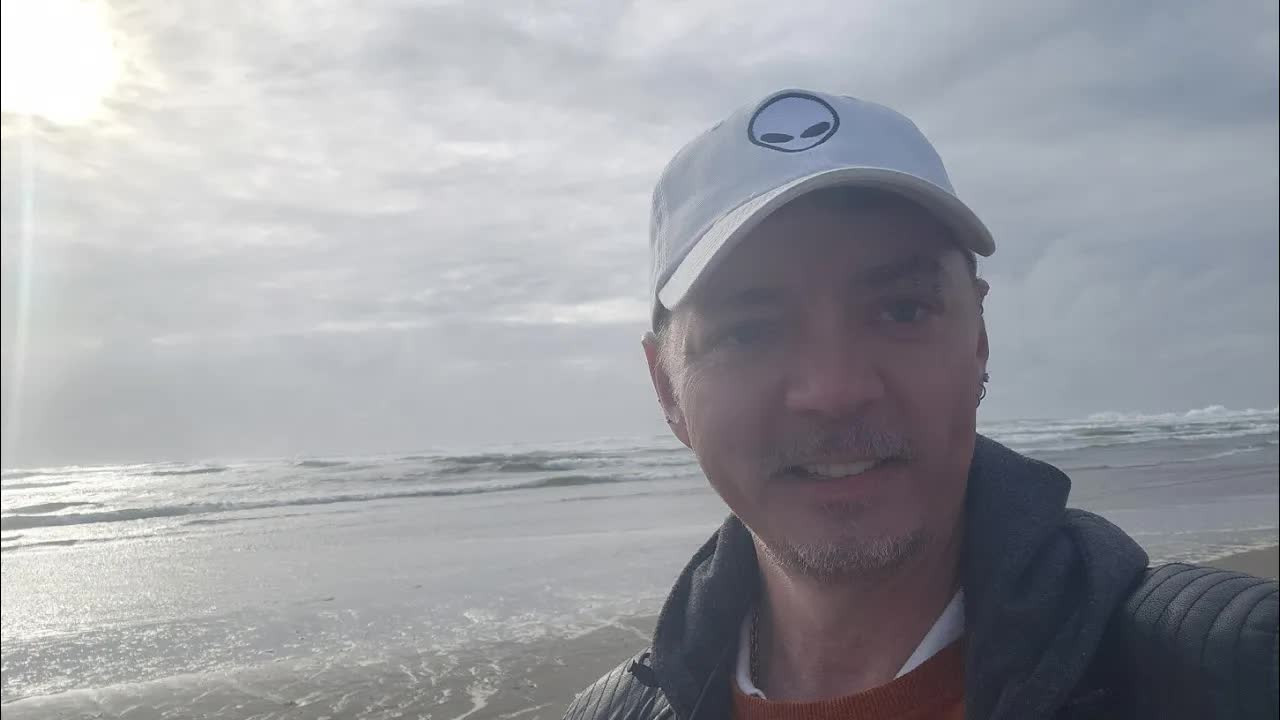
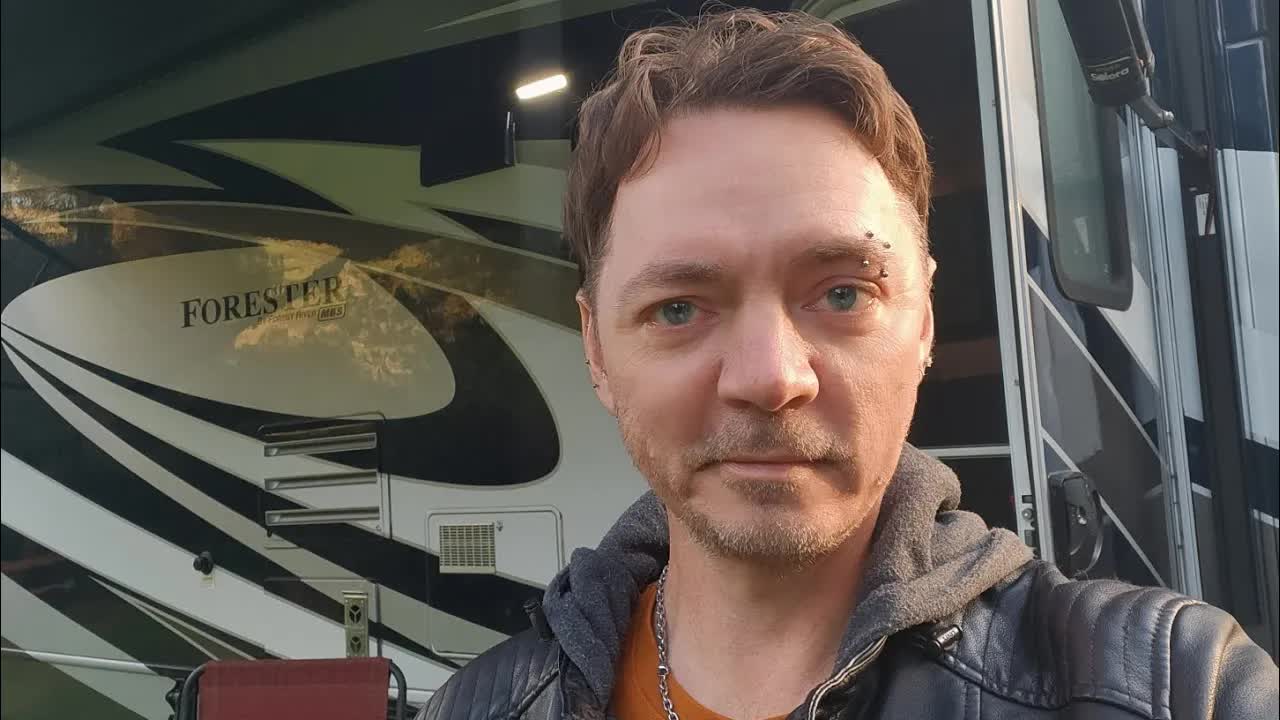
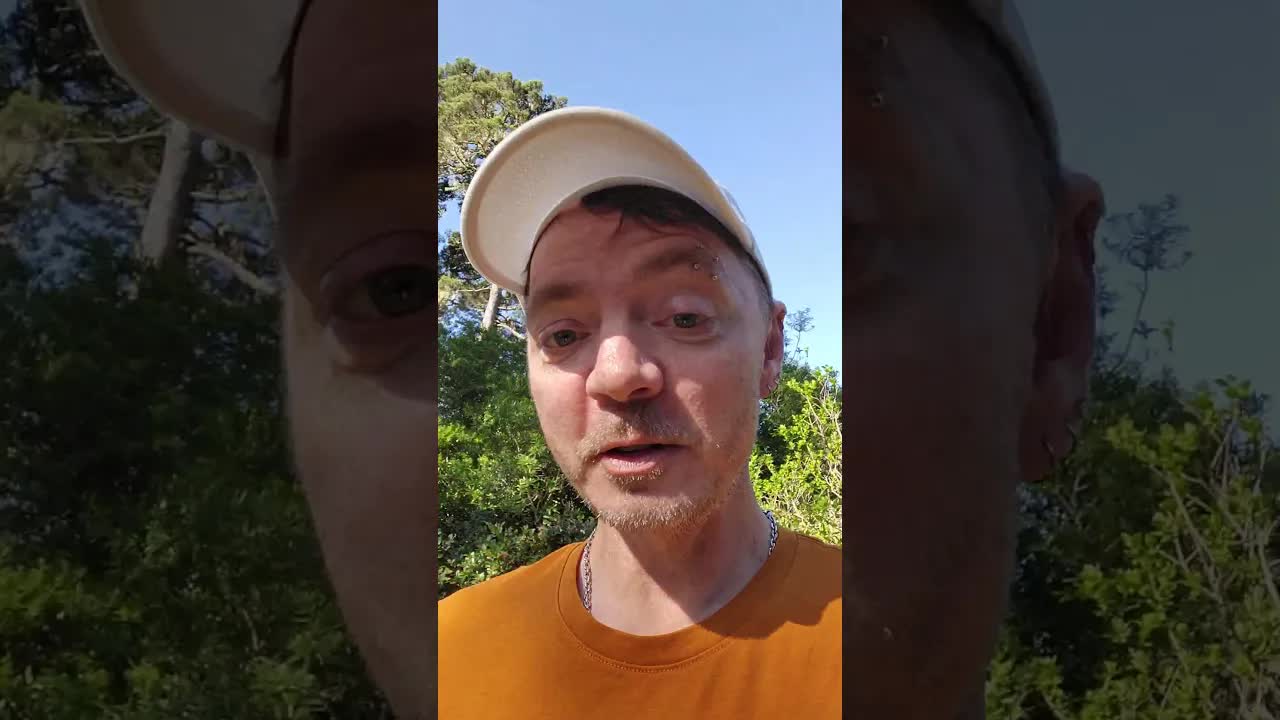
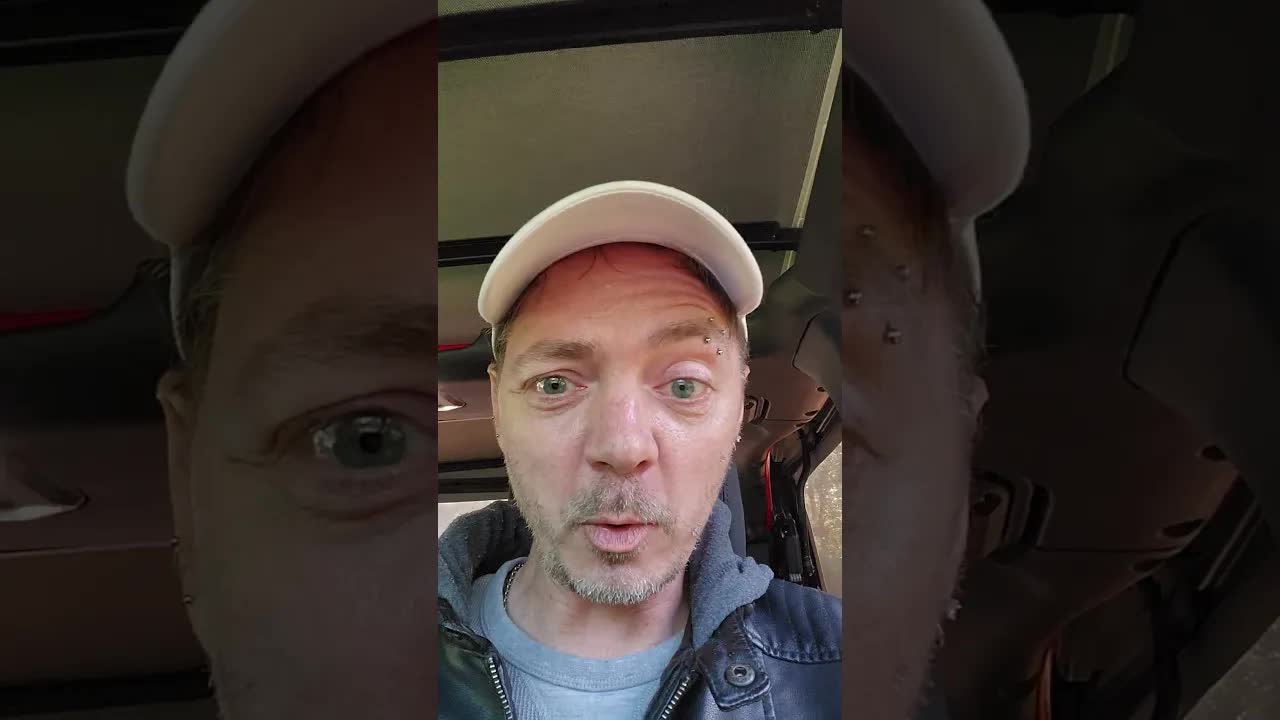
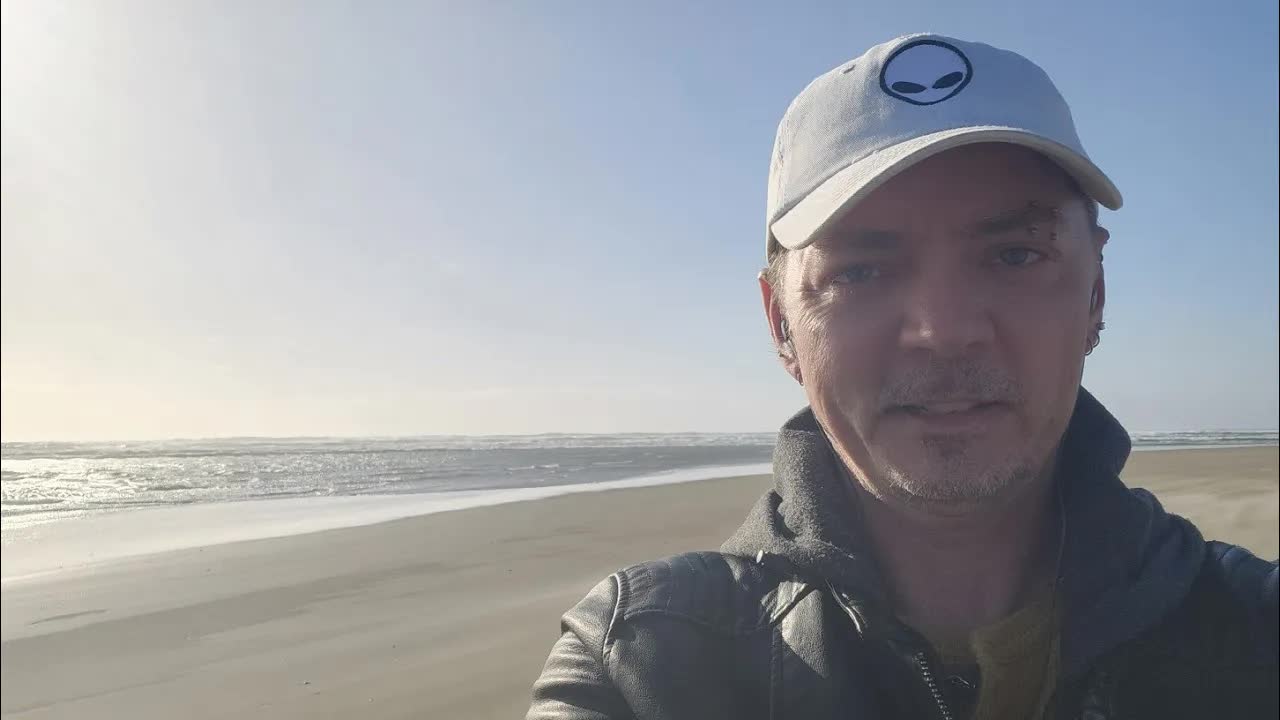
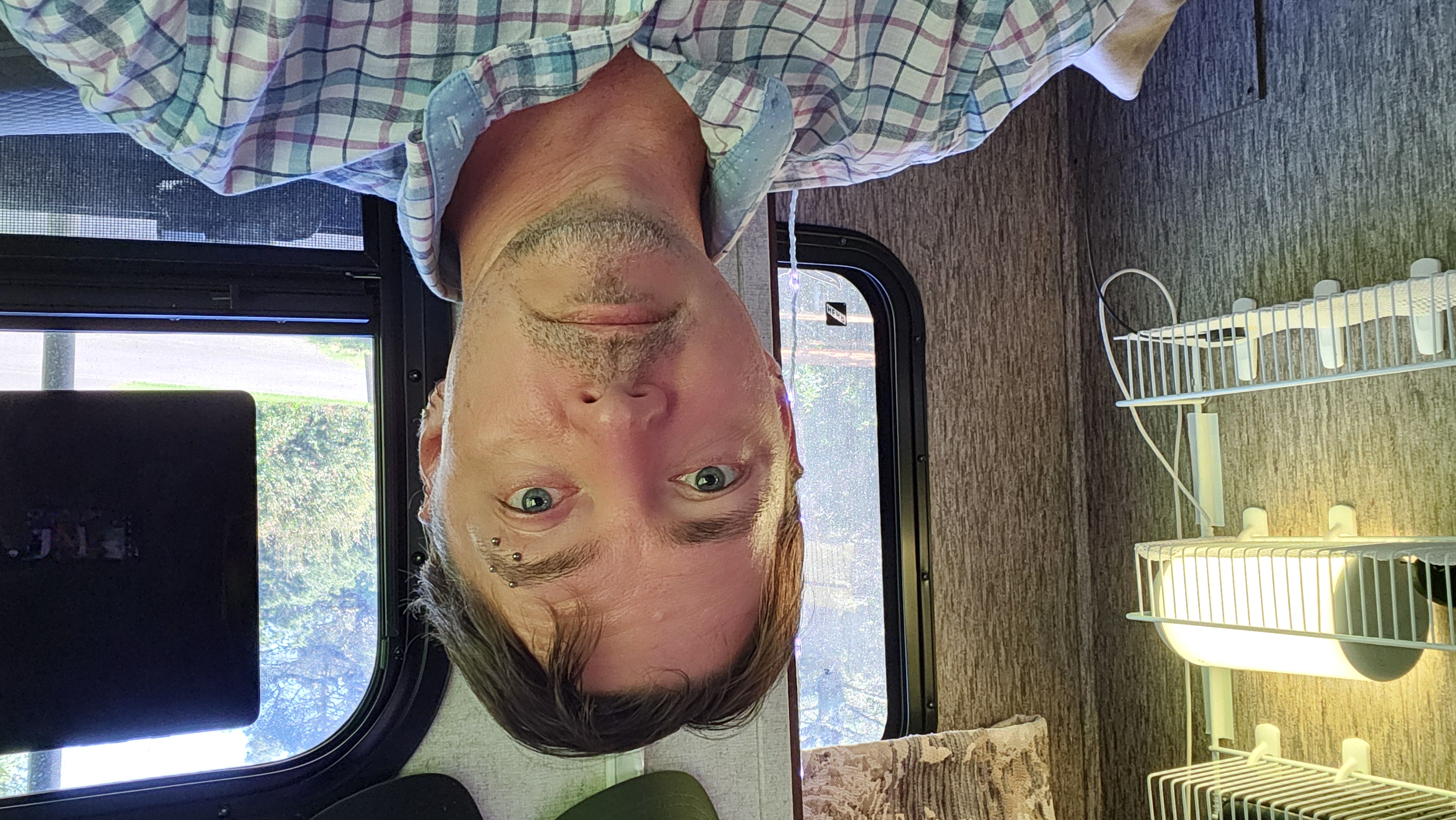

Two days earlier, rswfire had recorded sixteen minutes. In it he had traced the year — the aloneness, what the old life had been doing to him, what he did about it, the courage and the sacrifice it took. He had reminded the audience that he had brought them with him the whole way. Then he posted it and let it sit, and the analytics ran, and nothing moved.
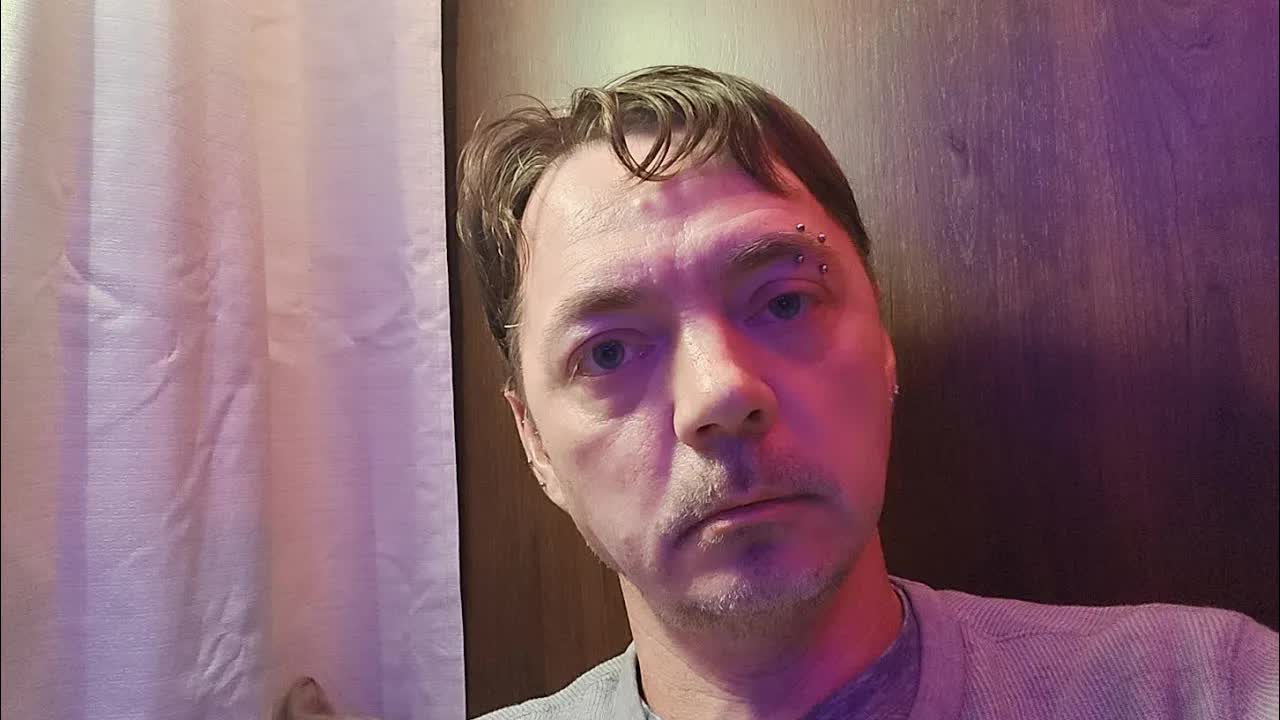
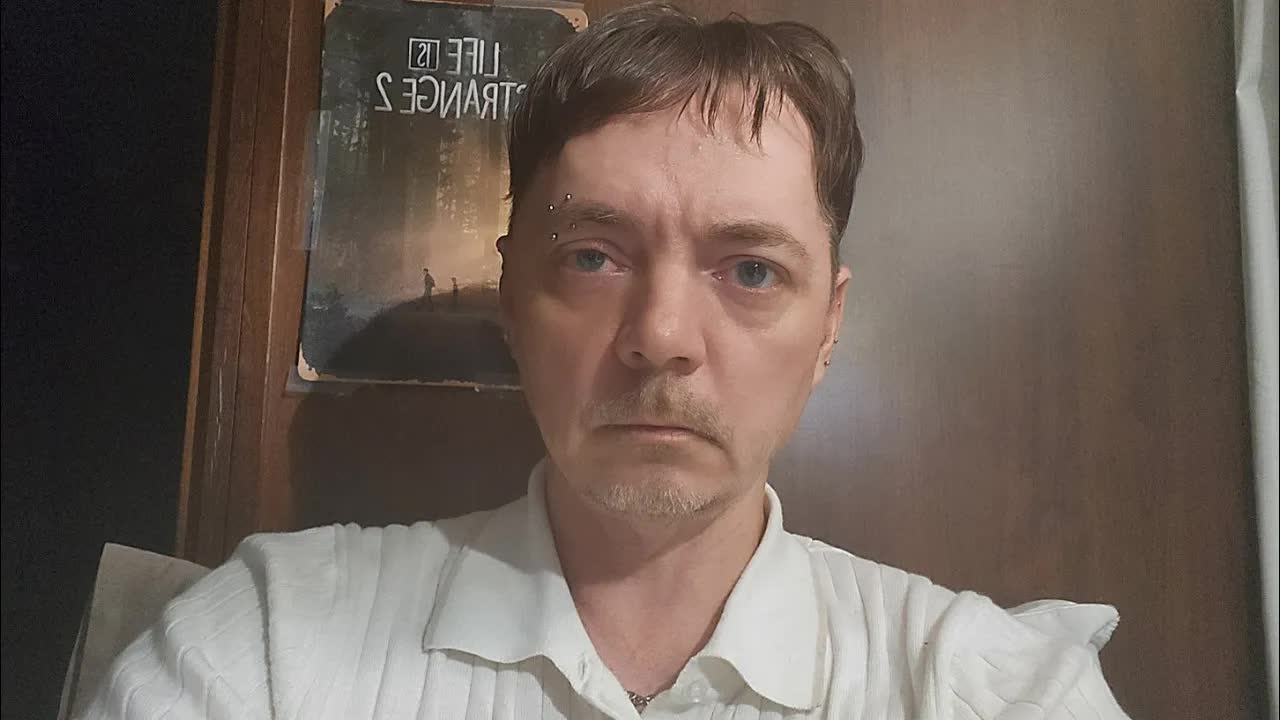
Now he was recording again. The physical setting never entered the frame of the transmission; he did not name a place, and the operative environment was not a room but a channel — a comment system he had switched on and off across the year, an analytics layer he read the way another person reads weather. He began by correcting the frame before anyone else could apply it. What he had shared was not vulnerability. Vulnerability, he stated, was a fragmented view of it. It was authenticity — the realest person, he said, you have probably ever seen on YouTube — sustained for over a year, through the good times and the bad, and some of those times got really bad.
He moved to the ledger of responses. When comments were enabled, what came back was often silence. When something did come back, it was trollish, or it was childish and superficial, devoid of the depth that would have been congruent with what had just been witnessed, because he operates from depth. The responses were fragmented. They flattened his experience. And when that ran long enough, he would disable comments, because a boundary had to be protected — the disabling not a retreat but the condition that let him keep posting at all.
Then came the thesis underneath it. Expression leaves an imprint, he said — written or verbal, visual or audio, text or not. That is why trolls do what they do; they know this. And by that logic the advice arrived under the same accounting as the trolling: even when the audience believed it was helping, offering counsel he had not requested, it deposited a toxic imprint, because what he had asked for was not advice. He had asked for witnessing. For reciprocity, acknowledgment, presence. He stated they could not give it because they cannot give it in their offline lives either, with each other — not taught how, or having forgotten. What happens online, he said, is a mirror of the life. He started to frame the thing more carefully, then cut himself off mid-sentence and declined to soften it: a fragmented consciousness, and not something he wants around him. It is hard, he said, to share your real self with the world and have that world mirror back a distortion. They consume. They extract.
Here the transmission turned, and the direction of the watching reversed. There were parts of the journey, he said, that he does not really share, that have stuck with him in relation to the audience — because the audience does not understand that the observation runs both ways. You're not just watching me. I'm watching you watch me. The analytics had told him a great deal. So had the comments. So had their absence. Then he laid the specific instances down in sequence, without embellishment: Luna, the cat abandoned at a campground, taken in, help asked for, nobody helped. The core-muscle injury, two weeks bedridden, unable to hike — not one person acknowledged it, not one person said they were sorry. Nothing. Nothing. The removal from the Oregon state parks, out onto the streets with no money and nowhere to go, months of it laid out plainly for the audience with a request attached — nobody helped. And the sixteen-minute video two days ago, where he had said where he is now, what he is trying to do, what he is dealing with, what he needs. Nobody helps.
Then the scale changed. This is a pattern, he said, and it is not a pattern about him. It is a pattern about the audience, about human nature as it stands now, about what the species has become: witnessing people online without connecting to them, judging, disconnected from each other online and off. He noted that he had spent over a year shedding the ways society does this, and had shown them how to break free of it, and that the learning had not landed — because if it had, there would be gratitude, and it would be shown, in big ways or small, and it never had been.
He closed by handing the observation back. One question. You sat with that sixteen-minute video two days ago. You did not move. And then you clicked on this video and watched it. What does that say about you? He left it there, unanswered, the field still open — the question itself now part of the record he had been keeping all along.