Not yet read. Use the download link above.
I'm rswfire: A Boundary Document
01JVTMMA00VVGTC9BWB9J105M6
PUBLIC
May 22, 2025
rswfire
PUBLISHED
Temp
0.50
Density
0.70
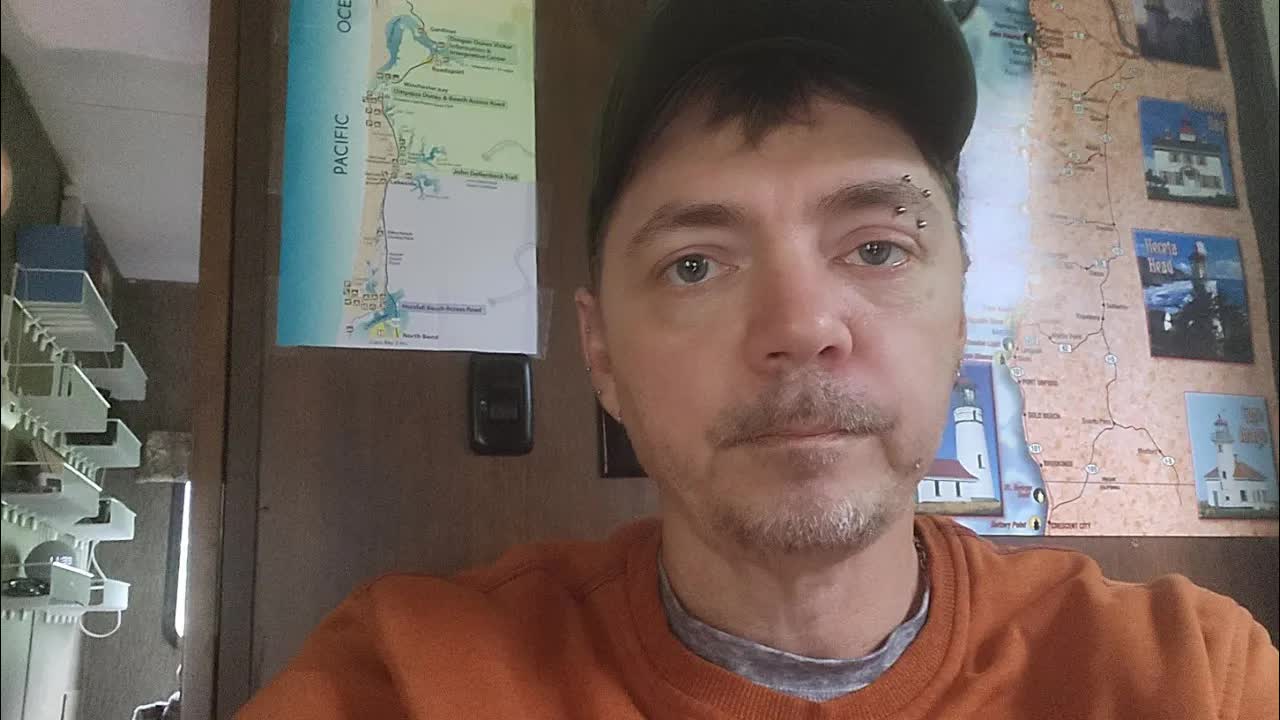
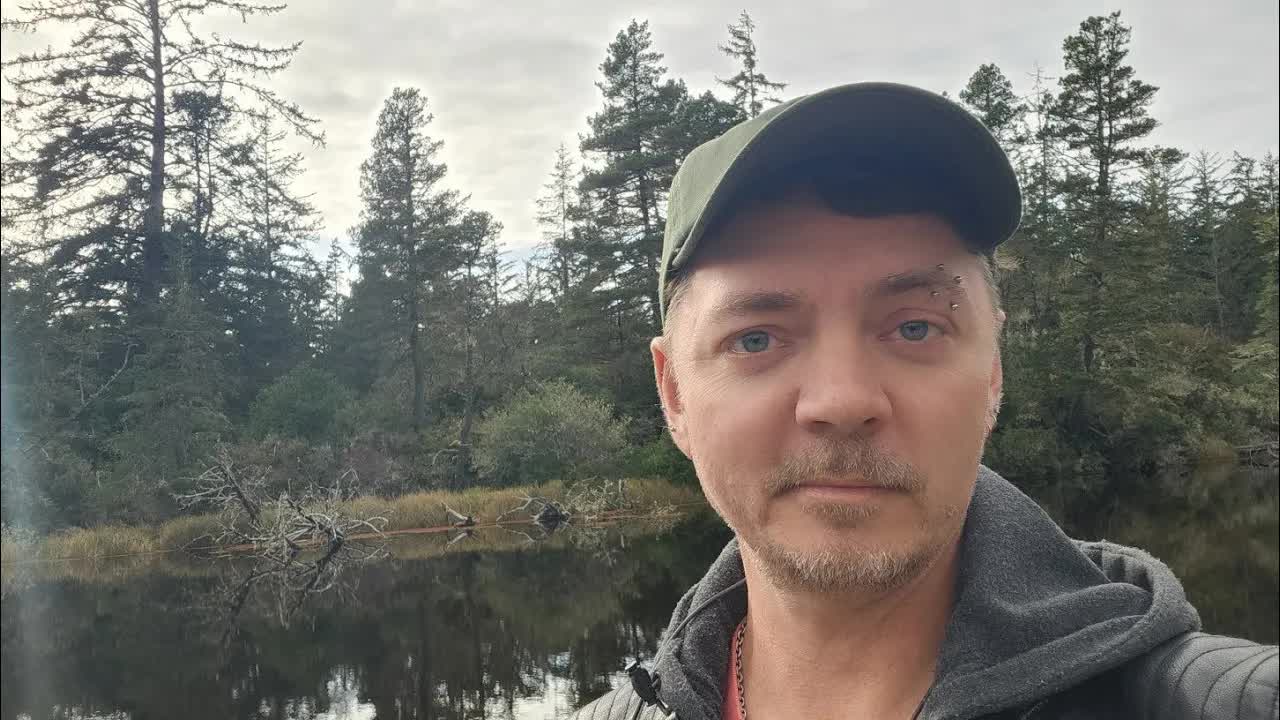
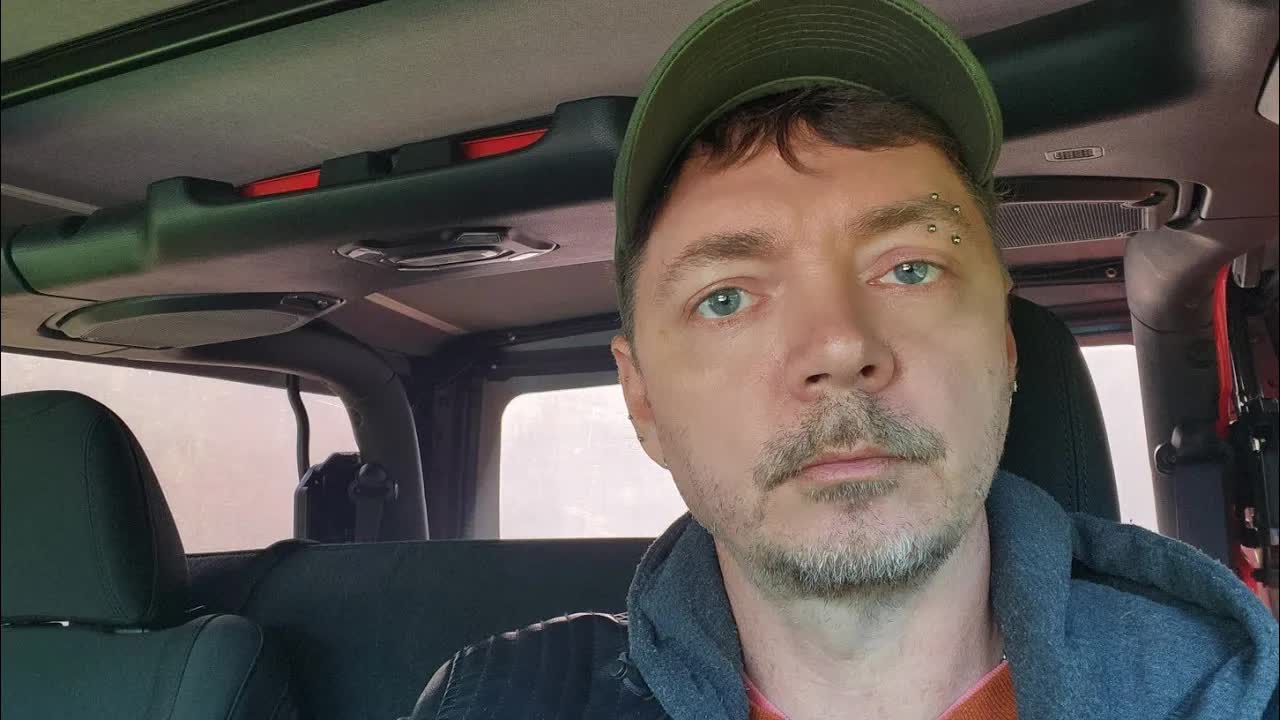

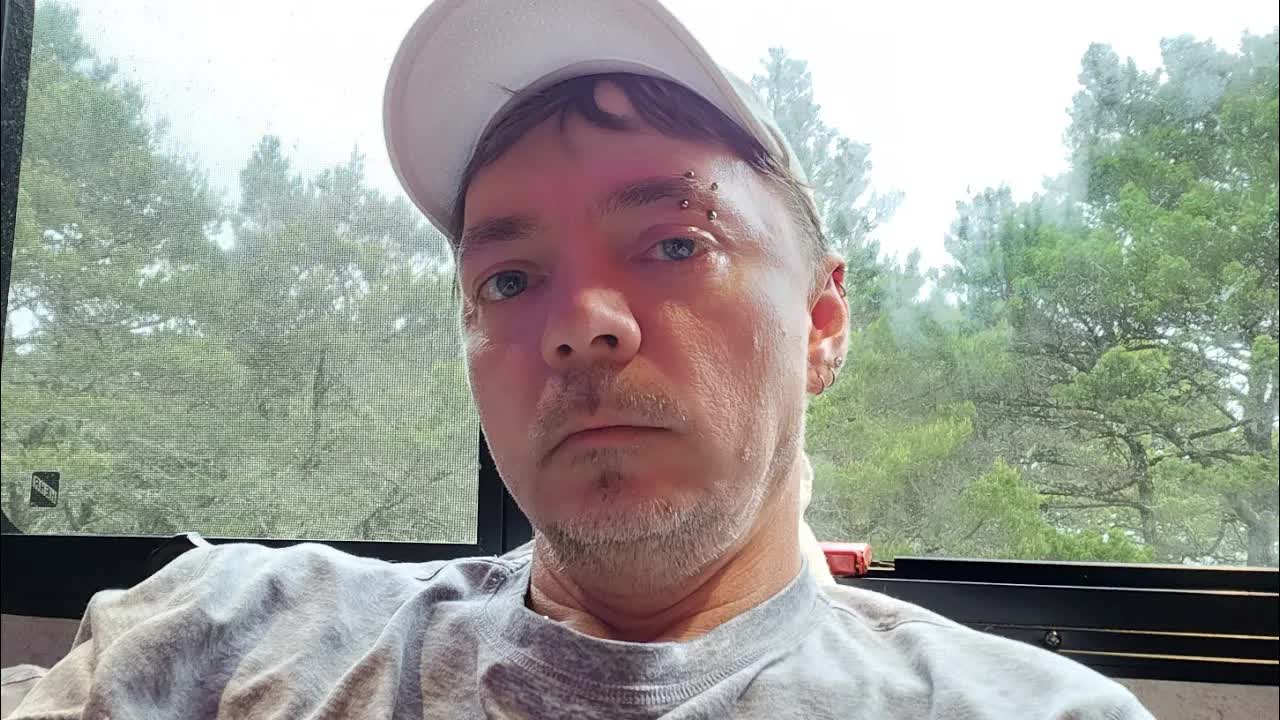
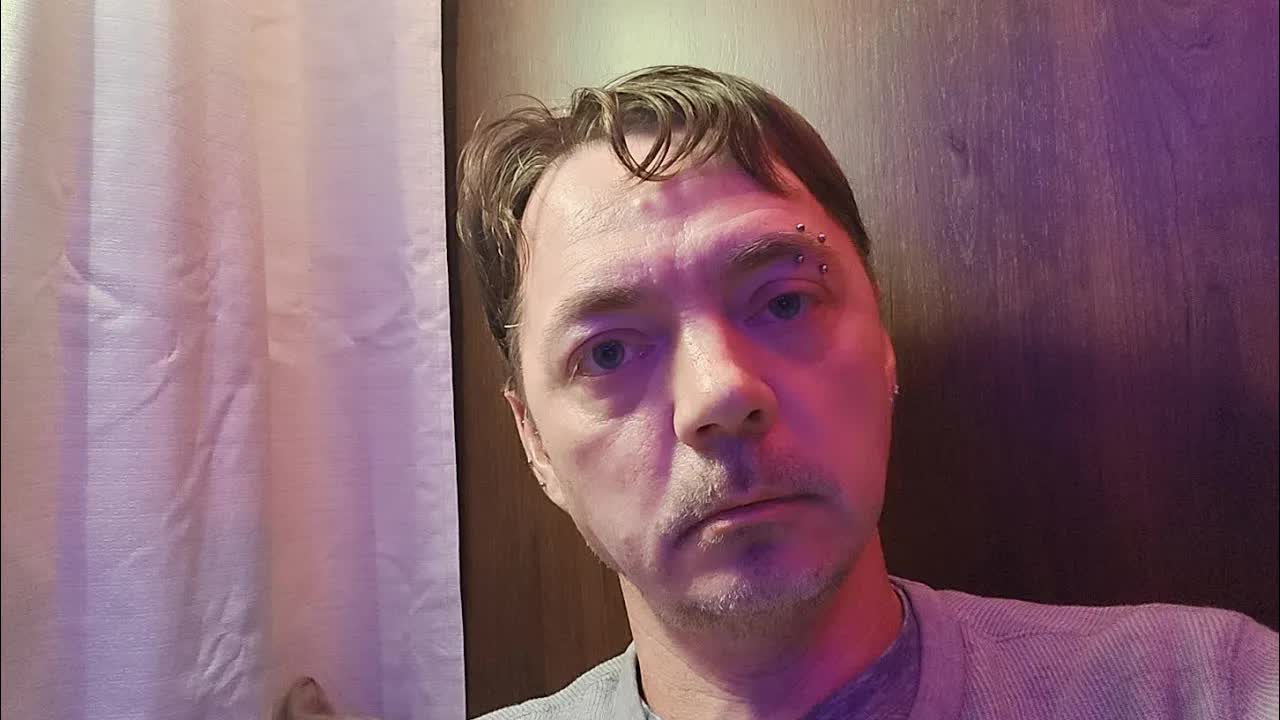
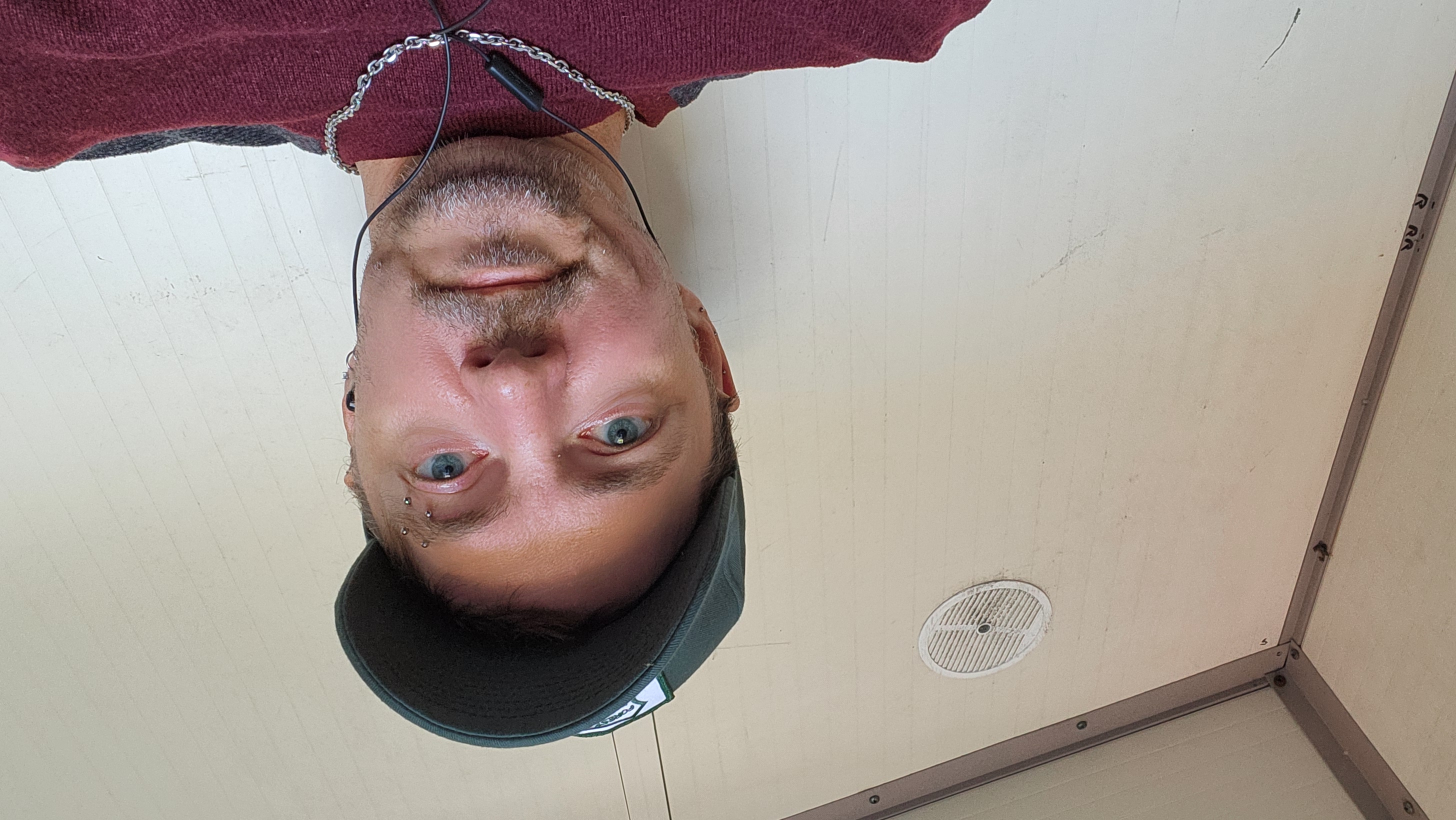
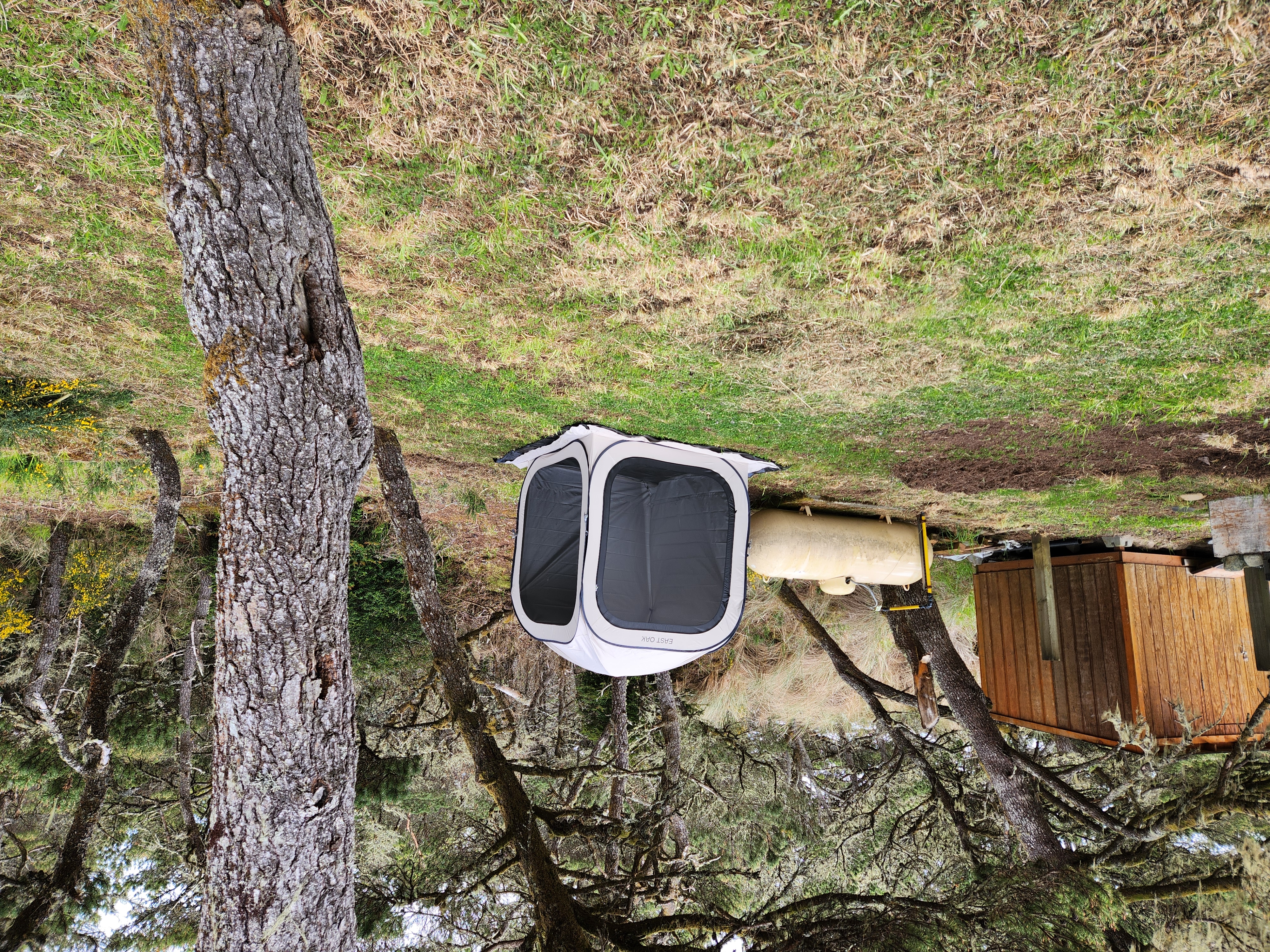
PUBLIC
May 22, 2025
rswfire
PUBLISHED
Temp
0.50
Density
0.70
Energetic Quality
resolute clarity
Journey Phase
coherent
Directional Vector
toward sovereign self-definition, away from institutional and relational distortion
Narrative
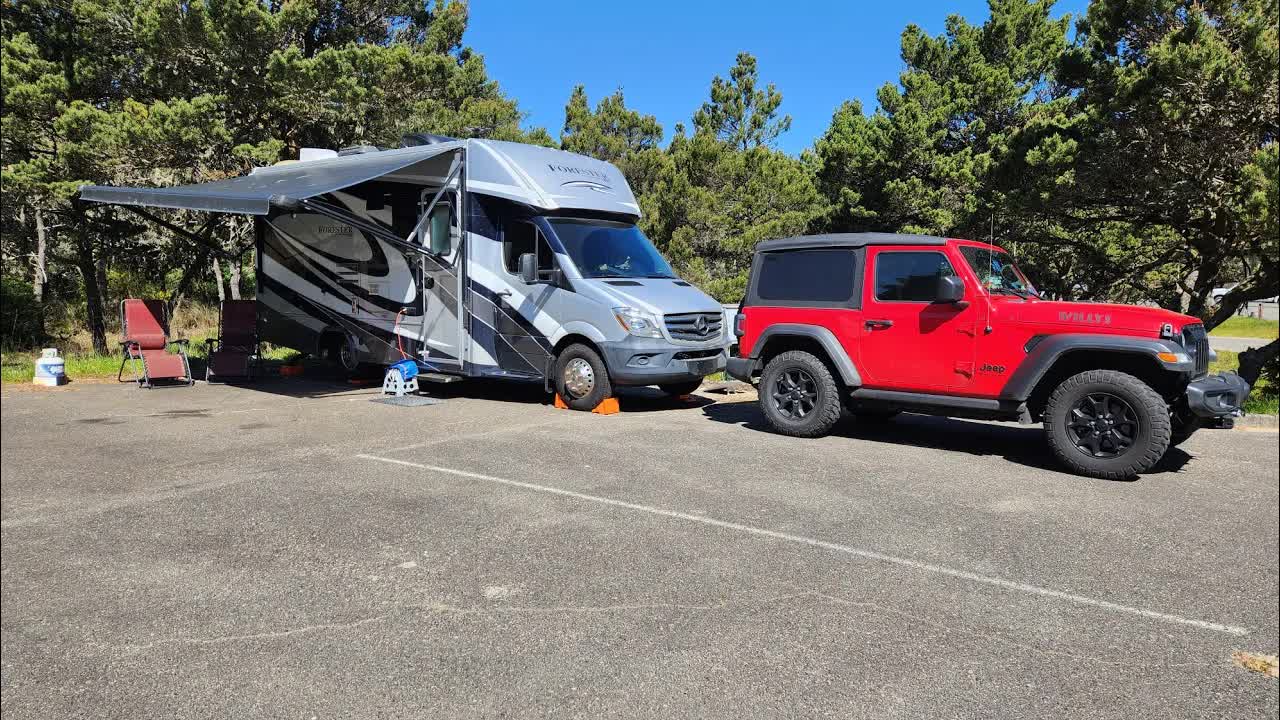
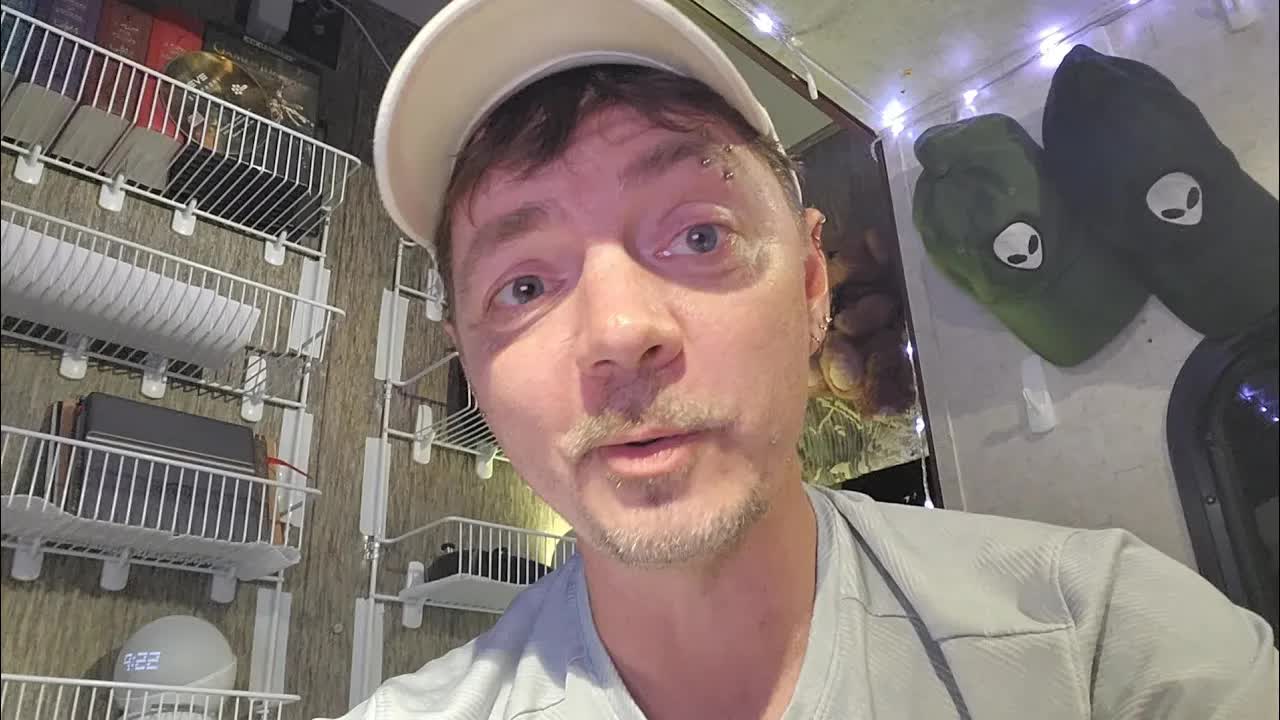
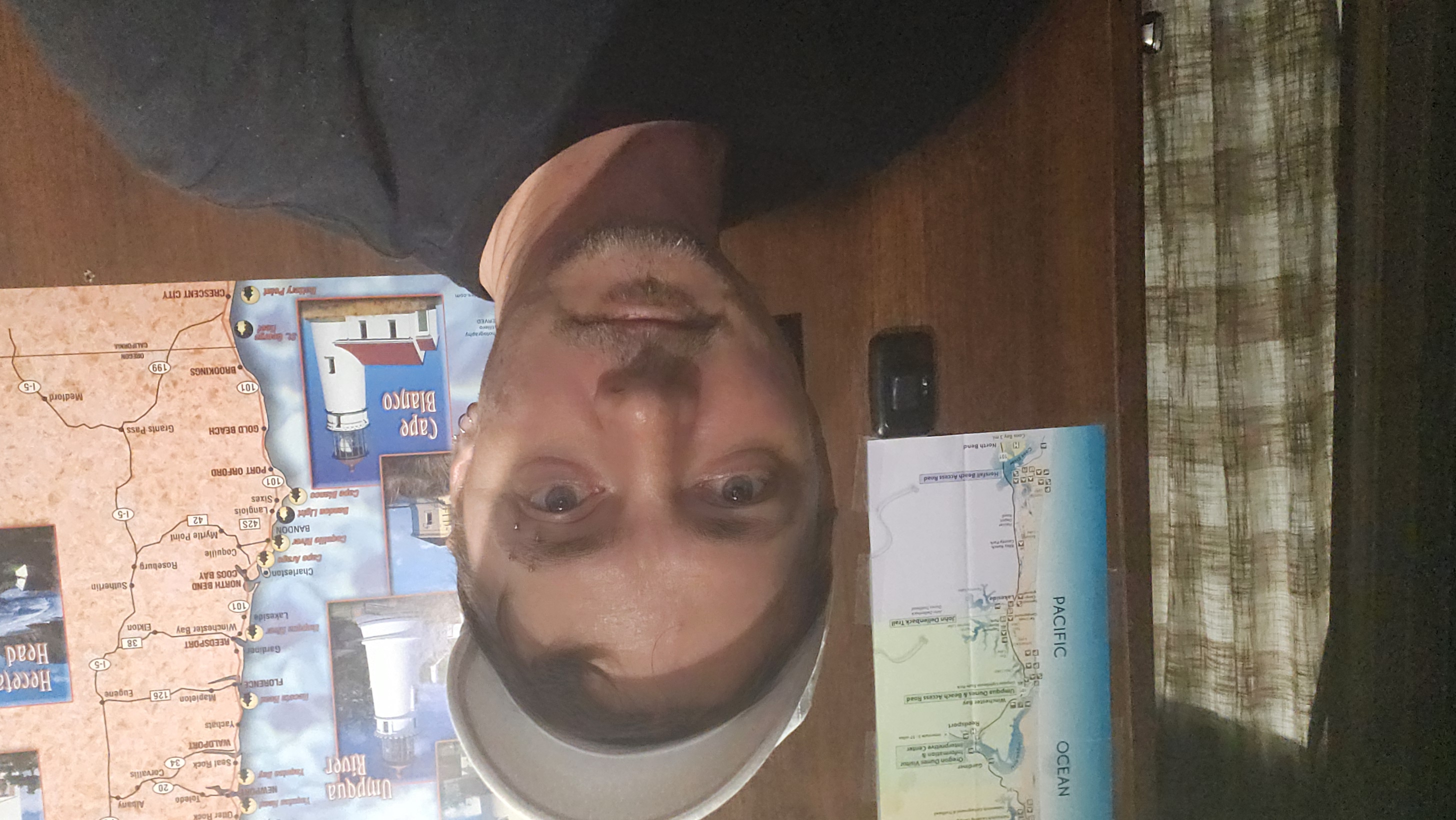
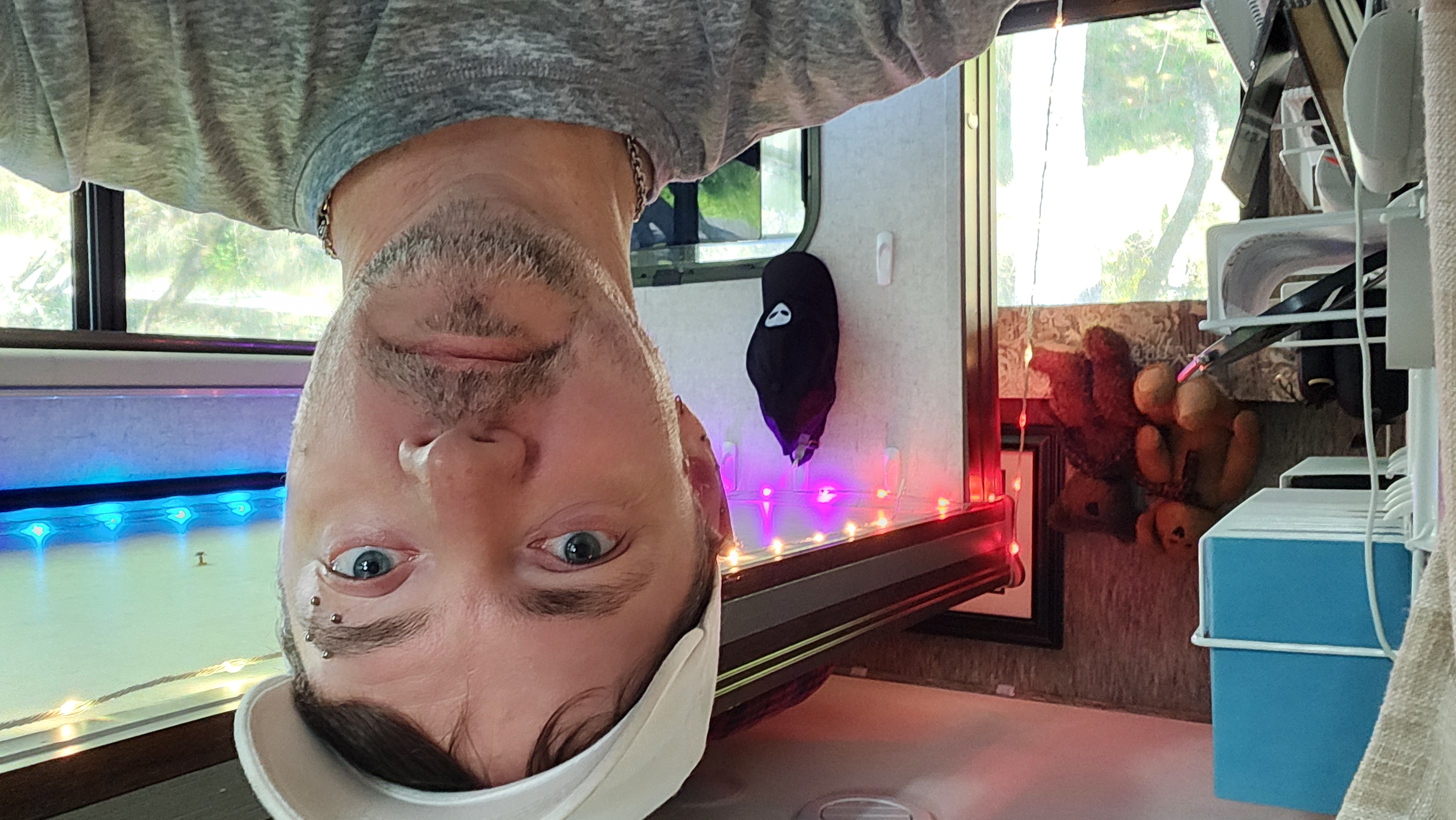
In May of 2025, rswfire is parked at Driftwood, a volunteer host site in the dunes, a short distance from Honeyman, where the rupture with OPRD had happened. He is early in his time with the Forest Service. He is building his homepage and, on it, a page he calls the pre-archive. And he is in conversation with an AI, asking a question he has been asking in one form or another since childhood: why can't people relate to me properly. What comes out of that conversation is not an answer about other people. It is a specification of himself. He titles it a boundary document, puts it at the top of the pre-archive, and leaves it there. Sixteen months later it is still the first thing anyone sees.
That sequence is the story, and it carries the reading. He asked a question about others and answered it with a document about his own operating conditions — then turned the document to face outward and installed it at the door. The move is not defensive, though it reads like a wall from a distance. It is a decision about direction. He describes having been misread his entire life by people who listen through distortion and call it understanding; the document is his refusal to keep supplying the raw material for that. It is not written to make him legible. He says so: you don't need to understand every word, you only need to recognize whether you're capable of engaging on these terms. That line is the hinge of the whole act. The document is not for comprehension. It is for sorting.
What he builds is a gate that also functions as an address. The first half closes: I do not accept your framing, I do not tolerate reduction, I do not consent to your projections. The last section opens: say I saw you, say I felt something, say I want to understand, I will meet you where you are if where you are is real. Both halves are the same gesture. He is stating, in advance of any encounter, the conditions under which contact is possible, so that the encounter no longer has to spend itself on negotiation. What this costs is exact and he pays it knowingly. A threshold placed at the front of an archive decides who never walks further in. Anyone who needs him translated, softened, or downshifted before they can engage is told, in the first link, that this will not happen. He describes it as a refusal to fit any frame — and the document is itself a frame, one he authored, offered as the only one he will stand inside.
The document says it is not a personal statement, brand narrative, or marketing copy, and then links to Autonomy and says start here. This is not a contradiction; it is the architecture showing through. He was building the platform for sovereign signal preservation at the same moment he was writing this, and the document is the first preserved signal in it — the archivist specifying himself before the archive fills. The boundary and the offer are one thing. He is not selling access. He is describing what he built to stay whole and telling whoever recognizes the need that the same structure is available. The page functions as both the door and the load-bearing wall behind it.
Where he wrote it matters, and he named it: Driftwood, next to Honeyman. He does not narrate the rupture in the document, but the document refuses translation into institutional, therapeutic, or performative frames, and those are precisely the frames an institution reaches for when it needs to explain away a person it could not manage. Written beside the site of that misrecognition, in the early weeks of a new stewardship he describes as a contract between field and steward, the boundary document reads as the terms he set before the next system could set them for him. He did not write it in crisis. He wrote it from ground.
The claim, then, is this: rswfire did not write a page about himself. He wrote the conditions of his own findability and posted them where anyone would have to pass them first. He states it directly at the end — I am not asking to be seen, I am standing where I can be found — and the closing question, where will you be standing, is not rhetorical. It is the actual mechanism. The document does not go looking for anyone. It stands still and lets people reveal, by whether and how they cross it, exactly what they came with. That it has not been revised in sixteen months is not neglect. It is the same stance held: the threshold was correct when he built it, and he has not moved.
Tags
boundary document
homepage build
pre-archive
sovereignty statement
embodiment
Autonomy platform
engagement terms
Summary
rswfire composed a boundary document titled I'm rswfire, written from Driftwood, a volunteer host site adjacent to the Honeyman rupture location, early in his Forest Service tenure. Per his notes, the document emerged from AI-assisted conversation about why people cannot relate to him accurately, and became the first link on the pre-archive page of his homepage — still the first thing visitors encounter.
The preamble states the document's purpose: to describe how he operates and relates, and the conditions under which engagement is possible, without translation into institutional, therapeutic, or performative frames.
The document moves through structured sections:
- What I Care About — sovereignty, presence, clarity, witnessing, integration, coherence.
- I Am a System, Not a Personality — pattern-reading since childhood; refusal to downshift to be understood.
- Relational Integrity — full-spectrum relational field; rejection of scripted or performative connection.
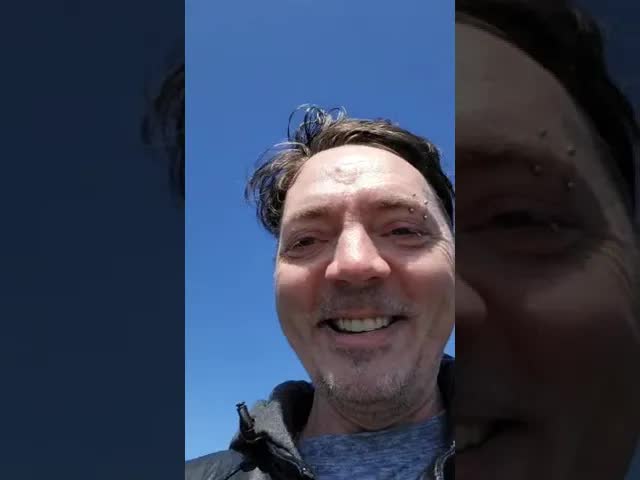
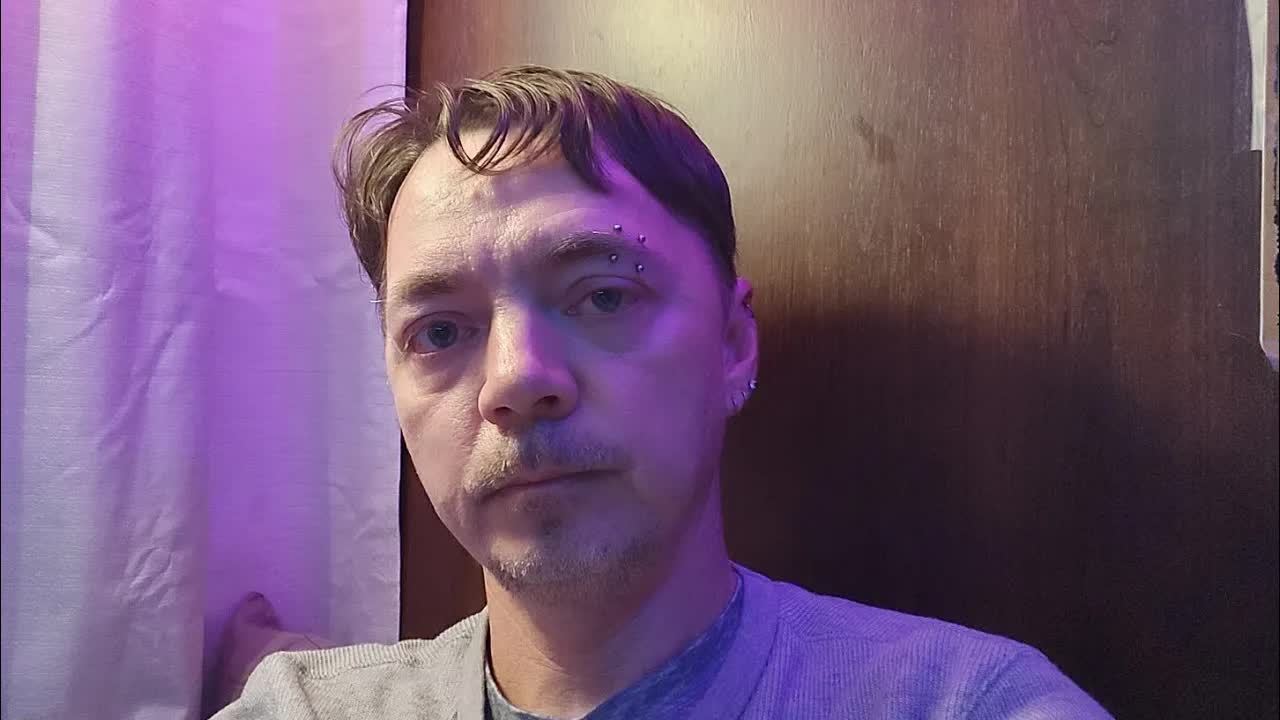
- Embodiment — gayness and piercings as structure, not feature; visibility as non-negotiable.
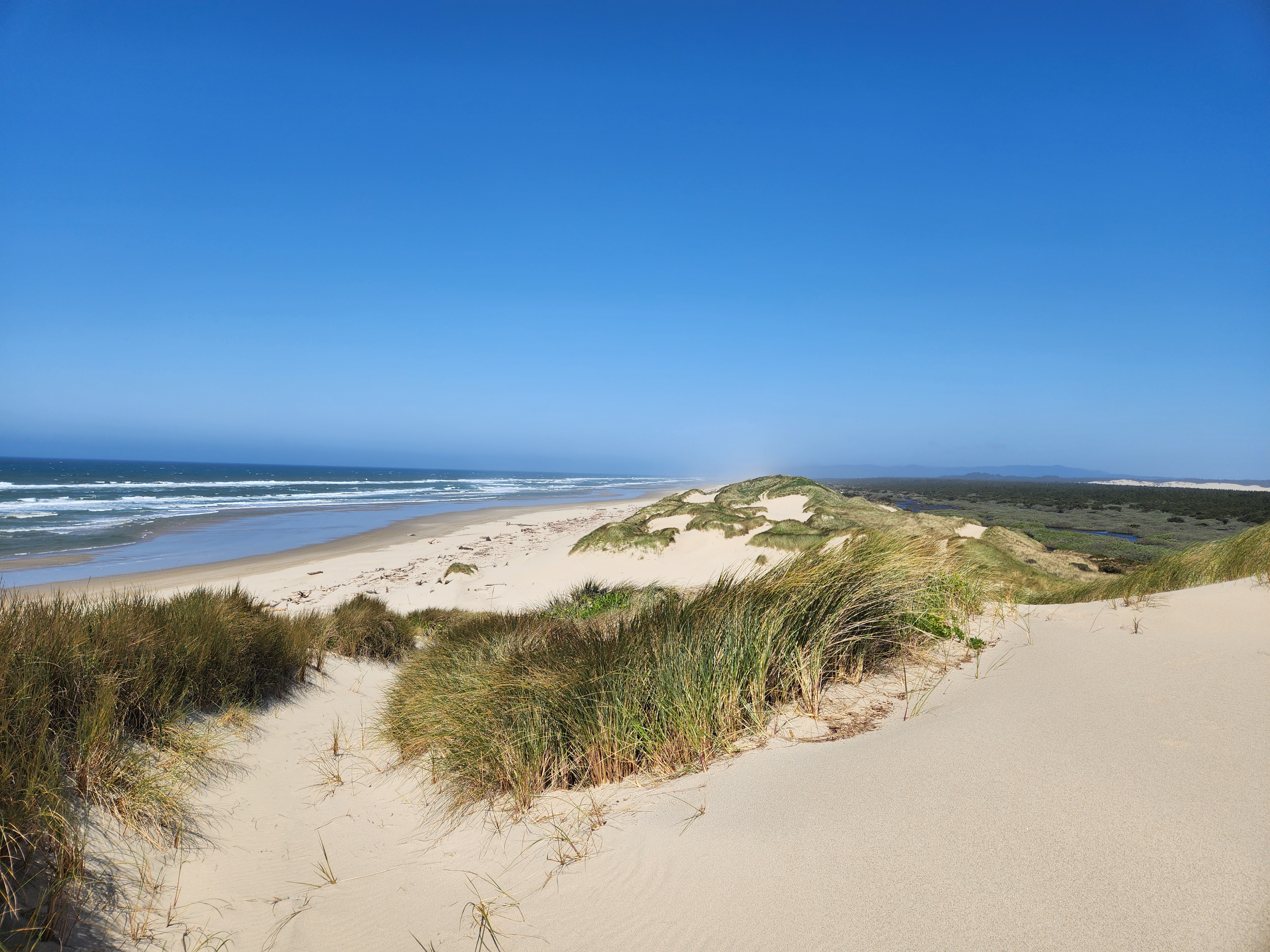
- Where I Am Now — full-time RV life on the Oregon Coast, dunes caretaker role, daily recalibration by the ocean.
- What I Do — self-taught coding from sixth grade, departure from a six-figure job, 800+ transmissions extracted from YouTube and processed into Autonomy, self-hosted sovereign archive infrastructure now offered to others.
- On Misrecognition — states that what others call intensity is clarity; emotion is integration.
- If You Want to Engage — terms of contact: bring something real; he is not asking to be seen but standing where he can be found.
Environment
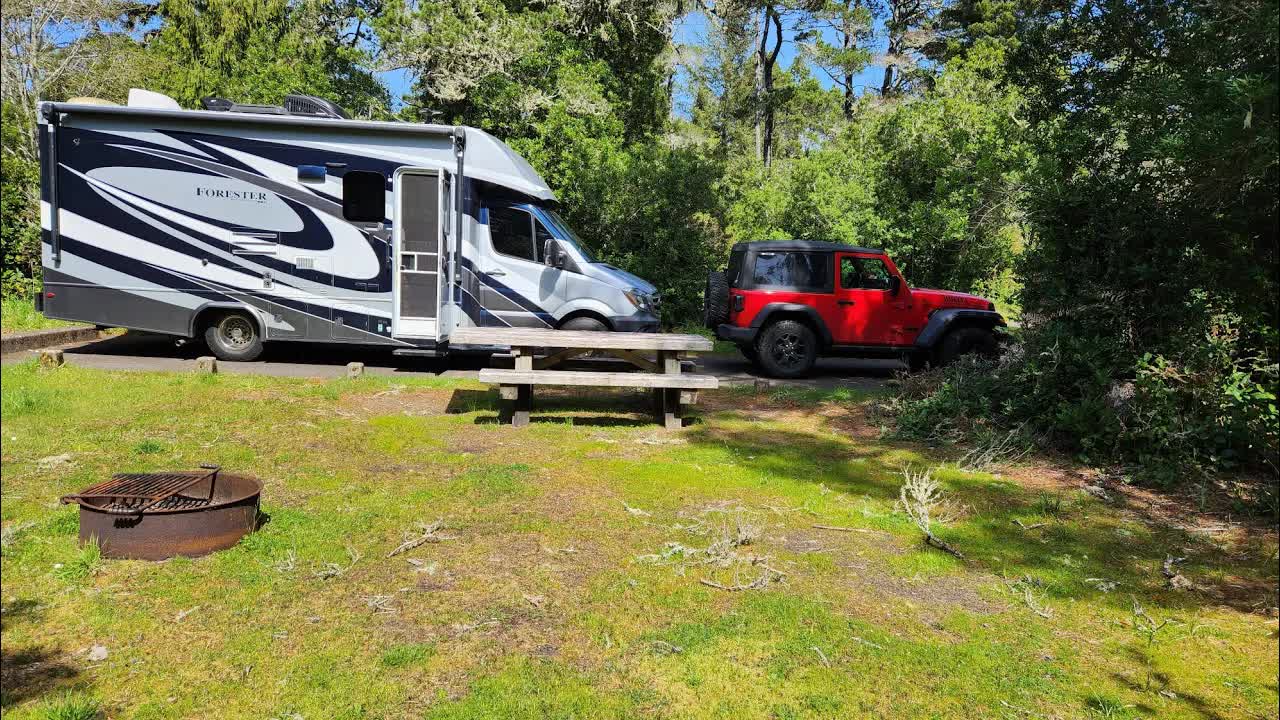
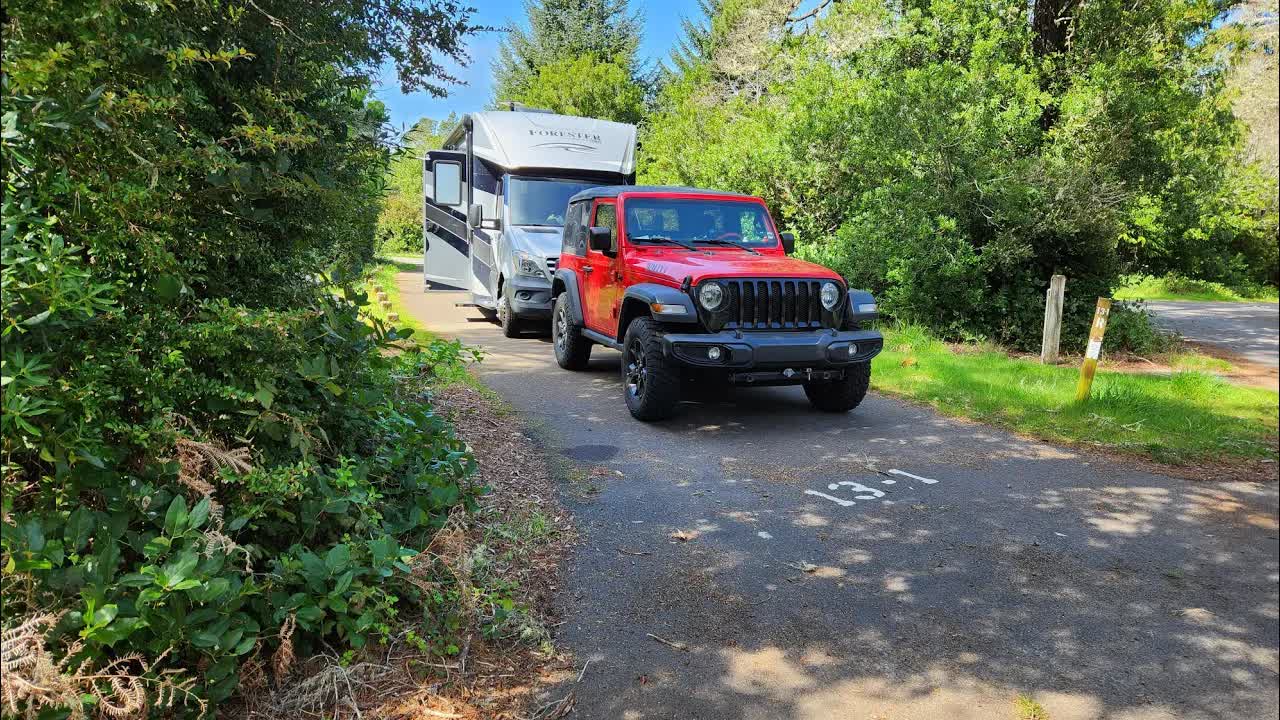
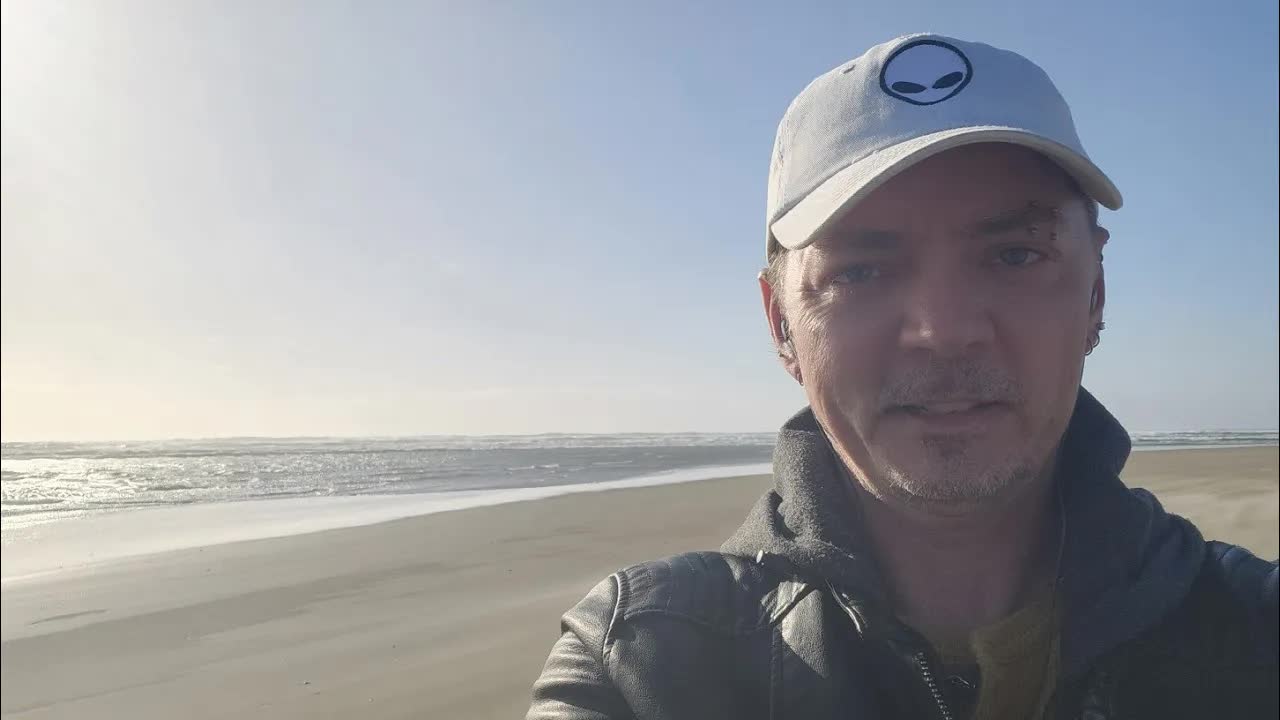
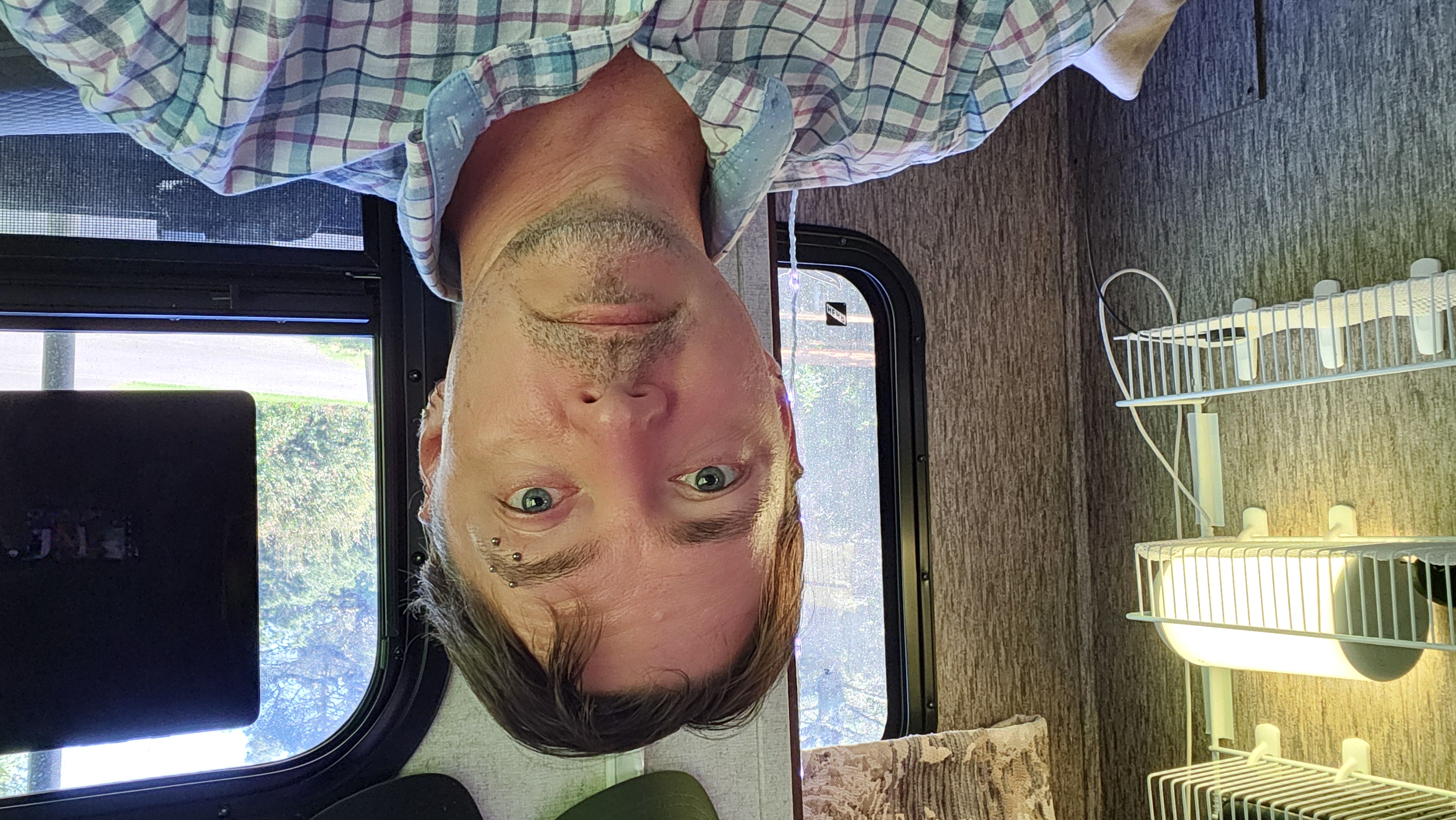
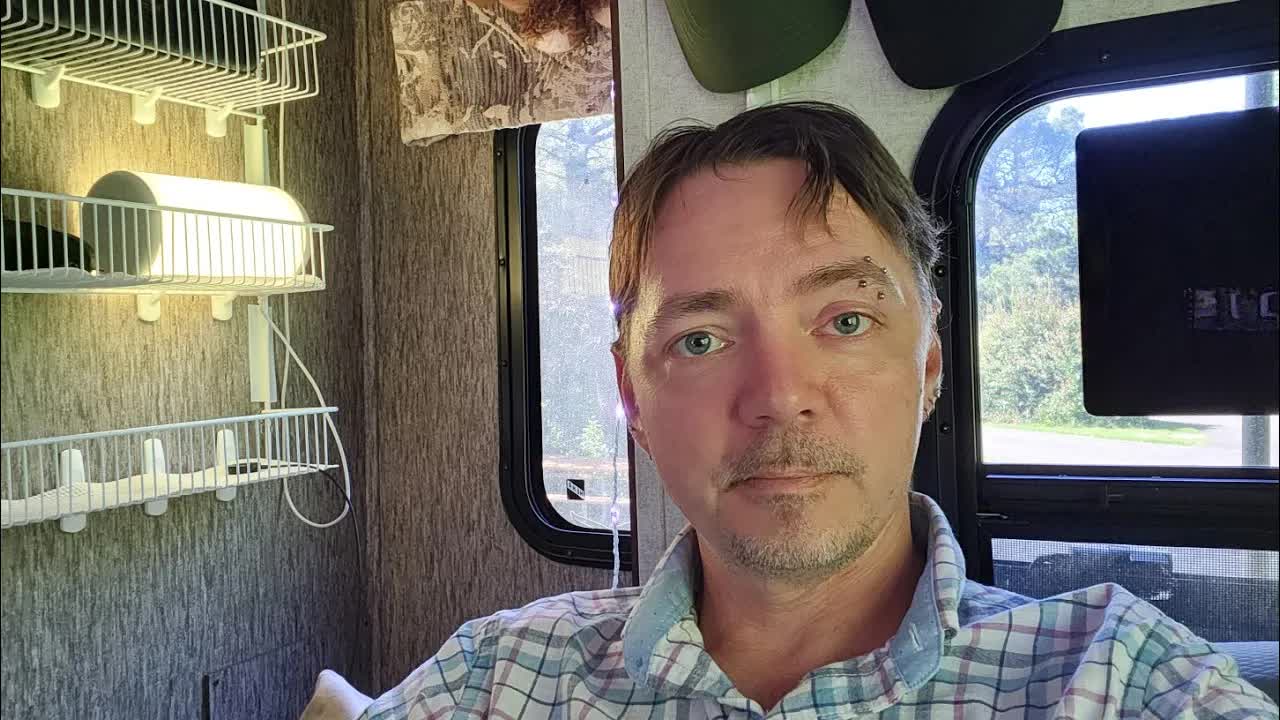
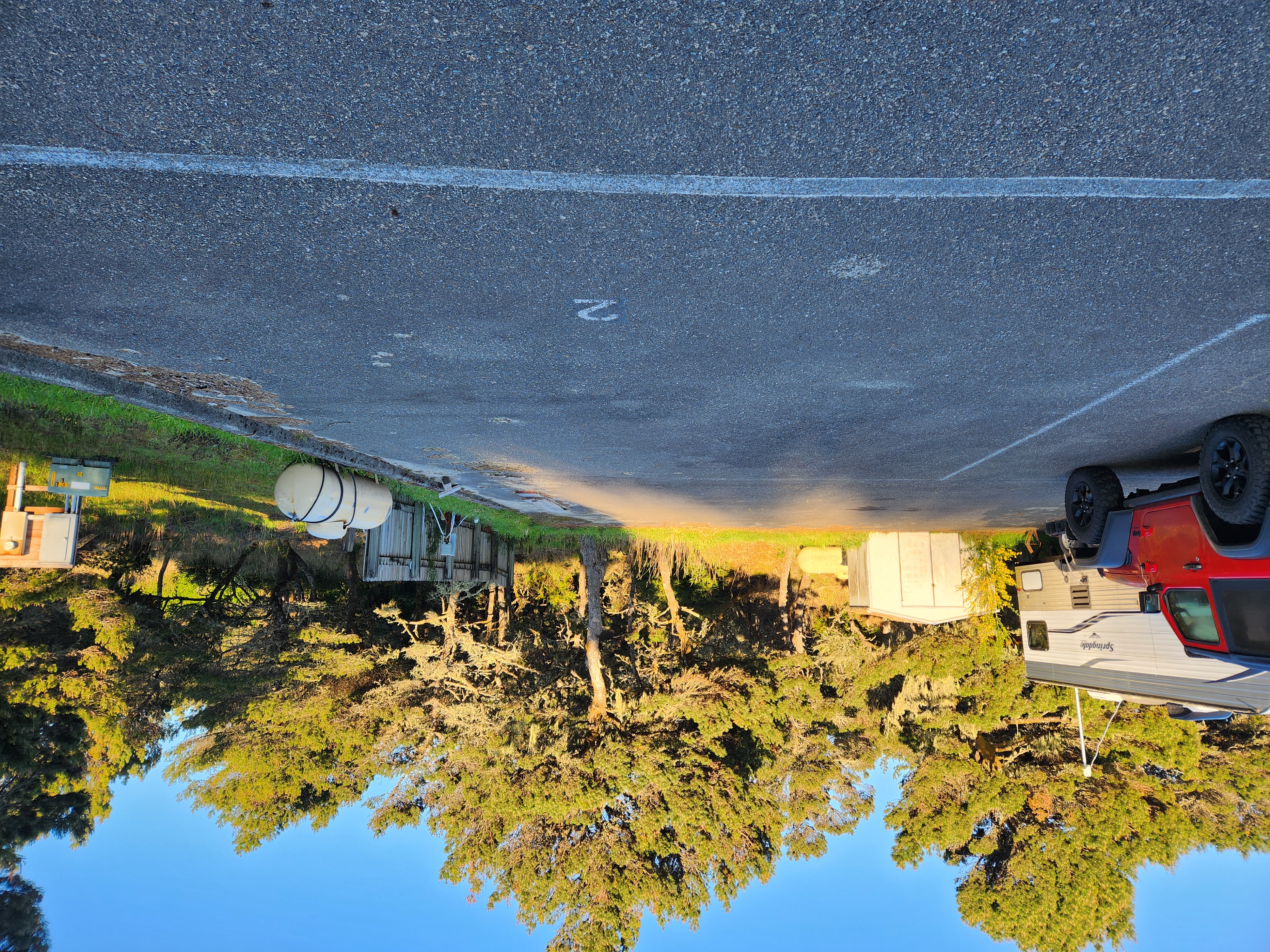
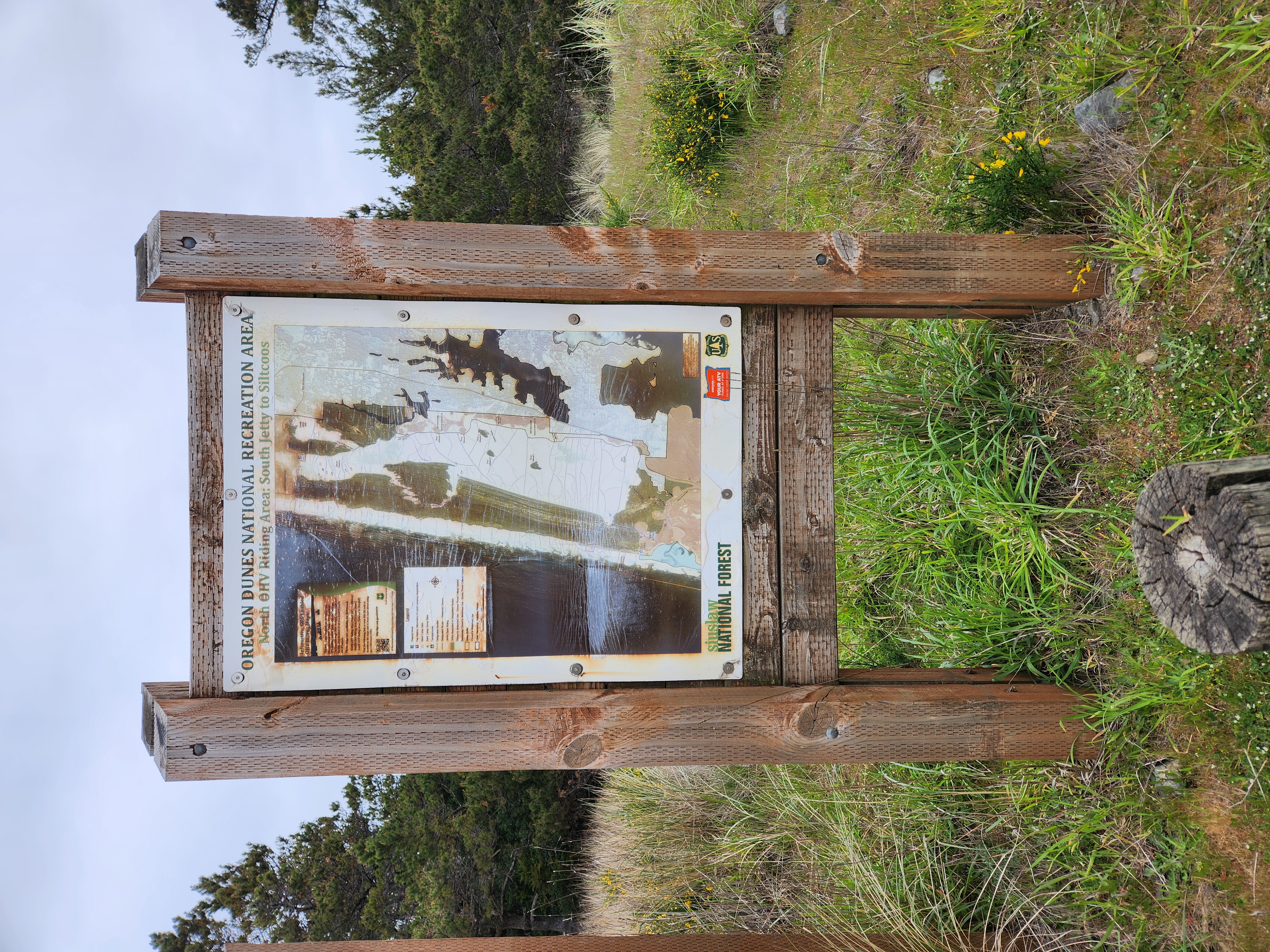
Written at Driftwood, a Forest Service volunteer host site in the Oregon Dunes on the Oregon Coast, adjacent to Honeyman where the OPRD rupture occurred. rswfire was early in his Forest Service tenure, living full-time in an RV with Jeep and mobile systems.
The digital environment is a self-built homepage in construction: this document became the first link on the pre-archive page and remains the first thing visitors encounter. It emerged from conversation with AI aimed at understanding why people cannot relate to him properly.
Substrate
The architecture held is a boundary document: a self-authored map of operating conditions that refuses translation into institutional, therapeutic, or performative frames. The ontological position is that of a system rather than a personality — unfragmented, embodied, emotionally and cognitively integrated, with sovereignty defined as internal authority without dominance or submission. What is being built is a standing threshold for engagement; what is being dissolved is the legitimacy of external framing, labeling, and reduction.
Actions
Performed
- •writing a boundary document from Driftwood
- •conversing with AI to understand relational misrecognition
- •building homepage and pre-archive page
- •stating values and operating conditions
- •defining terms of engagement
- •declaring embodiment and visibility as structural
- •placing document as first link on pre-archive
Referenced
- •teaching himself to code in sixth grade
- •breaking and rebuilding machines
- •writing programs on paper without a computer
- •leaving a six-figure job to preserve coherence
- •living full-time in RV and crossing the country
- •finding ground on the Oregon Coast
- •documenting 800+ transmissions
- •extracting 800 videos from YouTube
- •processing videos through AI reflection layers
- •building a self-hosted searchable archive
- •building subscription infrastructure (sanctum)
- •arriving and staying as caretaker of the dunes
- •daily recalibration beside the ocean
- •reading patterns since before having language for them
- •asking existential questions as a child
Planned
- •replicating Autonomy architecture for content creators and technologists
- •offering sovereignty infrastructure to those who recognize the need
- •remaining standing where he can be found
- •meeting engagement that is real
Entities
beings
rswfire — Author of the boundary document; system, caretaker, builder of Autonomy
Robert Samuel White — Legal name given in user notes as source of context
places
Driftwood — Forest Service volunteer host site where the document was written
Honeyman — Adjacent site of the OPRD rupture; on rswfire's mind during writing
Oregon Coast — Full-time residence and ground of the sovereign journey
Oregon Dunes — Terrain rswfire holds ground for as caretaker
systems
Forest Service — Agency for which rswfire serves as volunteer caretaker
Autonomy — Platform infrastructure for sovereign signal preservation, built for himself first
YouTube — Platform from which 800 videos were extracted; described as a flattening algorithm
Sanctum — Subscription infrastructure for reciprocal field exchange
RV — Primary dwelling; mobile system designed for continuity under collapse
Jeep — Vehicle component of sovereign infrastructure
concepts
Sovereignty — Internal authority without dominance or submission; central value
Witnessing — Presence that neither intervenes nor abandons; stated engagement condition
Coherence — Living in signal, not simulation; reason for leaving career
Integration — Wholeness without separation; framing for emotion and intellect
media
Transmission archive — Self-hosted searchable archive of 800+ videos
Synthesis — AI multiple reflection layers applied to transmissions
Journey Map — Image of the sovereign journey embedded in the document
Sovereign journey playlist — YouTube playlist linked as arc of decisions and thresholds
Pre-archive — Homepage page on which this document is the first link
Symbolic Elements
Represented archetypes or recurring motifs.
boundary
map
mask
field
signal
mirror
threshold
ocean
sand
wind
edge
infrastructure
ground
collapse
convergence
Ontological States
Expressed modes of being or awareness.
sovereign (internal authority declared as operating condition; refusal of external framing)
coherent (unfragmented self-description; emotional and cognitive fields integrated as one signal)
embodied (gayness, piercings, and visibility named as structure, not feature)
embedded (living within sovereign infrastructure on the coast; field-steward contract with the dunes)
Engaged Subsystems
Architecture engaged in this transmission.
cognitive (pattern reading, structure tracking, holding ambiguity and contradiction)
emotional (fully online field stated as integrated with intellect; feeling as structure)
somatic (body, walk, movement, piercings, physical presence as architecture)
ethical (refusal of hierarchy, reduction, and false signal; witnessing as principle)
sexual (gayness and desire named as structural, not negotiable)
relational (signal-based coherence; explicit conditions for engagement)
infrastructural (RV, Jeep, mobile systems, self-hosted archive, subscription platform)
ecological (caretaking trails, vault toilets, animal tracks, sand; daily recalibration at ocean)
technical (self-taught coding history, video extraction, AI processing, platform building)
Dominant Language
Core motifs or linguistic fields.
sovereignty
signal / simulation
coherence / integration
distortion / reduction / framing
architecture / infrastructure
witnessing / presence
embodiment / visibility
Narrative
In May of 2025, rswfire is parked at Driftwood, a volunteer host site in the dunes, a short distance from Honeyman, where the rupture with OPRD had happened. He is early in his time with the Forest Service. He is building his homepage and, on it, a page he calls the pre-archive. And he is in conversation with an AI, asking a question he has been asking in one form or another since childhood: why can't people relate to me properly. What comes out of that conversation is not an answer about other people. It is a specification of himself. He titles it a boundary document, puts it at the top of the pre-archive, and leaves it there. Sixteen months later it is still the first thing anyone sees.
That sequence is the story, and it carries the reading. He asked a question about others and answered it with a document about his own operating conditions — then turned the document to face outward and installed it at the door. The move is not defensive, though it reads like a wall from a distance. It is a decision about direction. He describes having been misread his entire life by people who listen through distortion and call it understanding; the document is his refusal to keep supplying the raw material for that. It is not written to make him legible. He says so: you don't need to understand every word, you only need to recognize whether you're capable of engaging on these terms. That line is the hinge of the whole act. The document is not for comprehension. It is for sorting.
What he builds is a gate that also functions as an address. The first half closes: I do not accept your framing, I do not tolerate reduction, I do not consent to your projections. The last section opens: say I saw you, say I felt something, say I want to understand, I will meet you where you are if where you are is real. Both halves are the same gesture. He is stating, in advance of any encounter, the conditions under which contact is possible, so that the encounter no longer has to spend itself on negotiation. What this costs is exact and he pays it knowingly. A threshold placed at the front of an archive decides who never walks further in. Anyone who needs him translated, softened, or downshifted before they can engage is told, in the first link, that this will not happen. He describes it as a refusal to fit any frame — and the document is itself a frame, one he authored, offered as the only one he will stand inside.
The document says it is not a personal statement, brand narrative, or marketing copy, and then links to Autonomy and says start here. This is not a contradiction; it is the architecture showing through. He was building the platform for sovereign signal preservation at the same moment he was writing this, and the document is the first preserved signal in it — the archivist specifying himself before the archive fills. The boundary and the offer are one thing. He is not selling access. He is describing what he built to stay whole and telling whoever recognizes the need that the same structure is available. The page functions as both the door and the load-bearing wall behind it.
Where he wrote it matters, and he named it: Driftwood, next to Honeyman. He does not narrate the rupture in the document, but the document refuses translation into institutional, therapeutic, or performative frames, and those are precisely the frames an institution reaches for when it needs to explain away a person it could not manage. Written beside the site of that misrecognition, in the early weeks of a new stewardship he describes as a contract between field and steward, the boundary document reads as the terms he set before the next system could set them for him. He did not write it in crisis. He wrote it from ground.
The claim, then, is this: rswfire did not write a page about himself. He wrote the conditions of his own findability and posted them where anyone would have to pass them first. He states it directly at the end — I am not asking to be seen, I am standing where I can be found — and the closing question, where will you be standing, is not rhetorical. It is the actual mechanism. The document does not go looking for anyone. It stands still and lets people reveal, by whether and how they cross it, exactly what they came with. That it has not been revised in sixteen months is not neglect. It is the same stance held: the threshold was correct when he built it, and he has not moved.
Mirror
You are standing at Driftwood, early in a new arrangement with the Forest Service, within sight of the site where the previous arrangement ruptured. You are building a homepage. You are in conversation with an AI about why people cannot relate to you properly. Out of that conversation you produce a document, and you place it as the first link on the page, where it remains sixteen months later as the first thing anyone encounters. The move is this: before any reader arrives, you set the terms. Contact with you now passes through a gate you authored, and the gate is a description of yourself.
The document opens on negation and stays there for its first third. You state what this page is not, what you will not fit, what you do not do, what you do not accept or tolerate or consent to. The "I do not" construction recurs more than a dozen times before the first list of what you care about appears. When the affirmative section arrives, it is an inventory — six capitalized terms, each defined in one line, each a word from your working vocabulary. The register then shifts through three modes: system description (pattern reading, ambiguity held with ease), embodiment declaration (gay, pierced, visible, body as architecture), and finally place, where the language loosens — ocean, sand, animal tracks, wind — and the sentences shorten to fragments. The place section is the only part of the document where the field is described as acting on you rather than you acting on the field: "the place answered."
You address a "you" throughout, and that "you" has no name, no face, no history with you. It is a generic reader, positioned in advance as someone likely to frame, reduce, project, condescend, or want to protect you. You tell that reader what their desire might be, what their shame might be, what their discomfort is not your job to soothe. You tell them what a correction from you will do to them. You tell them you will often let them be wrong and walk away. The reader is fully characterized before they have spoken.
What is present: your values, your cognition, your body, your location, your infrastructure, your work history, the Autonomy platform with its four bullet points and its link. What is absent: any specific person, any named incident, any account of what misrecognition has actually cost you in concrete terms. Honeyman is a mile away and does not appear in the text. OPRD does not appear. The word "trauma" appears once, in the past tense, as something you read patterns before knowing the name of. You state you have been misread your entire life; you do not give one example. The document is a map of operating conditions with every particular event removed, and it was written next to the most recent one.
The energy is level. Temperature holds at the midpoint — the declarations are absolute in content but not heated in delivery, and the sentences do not accelerate. The orientation is outward, toward a reader who has not yet arrived, and the posture is fixed: "I am not asking to be seen. I am standing where I can be found." Then the document does one thing it has not done in any prior line. After pages of statement, it ends on a question — and the question hands the position back to the reader. You have said where you are standing. The last move is to ask where they will be.
Queryable Personhood
Hand your life to anything that reads.
Share this link with artificial intelligence — it reads the full transcript, analysis, and reflections. An AI-readable mirror of this signal.
The qpkey in this URL is a per-signal access token. Anyone with the URL can read the record — treat it like a share link, not a password.